
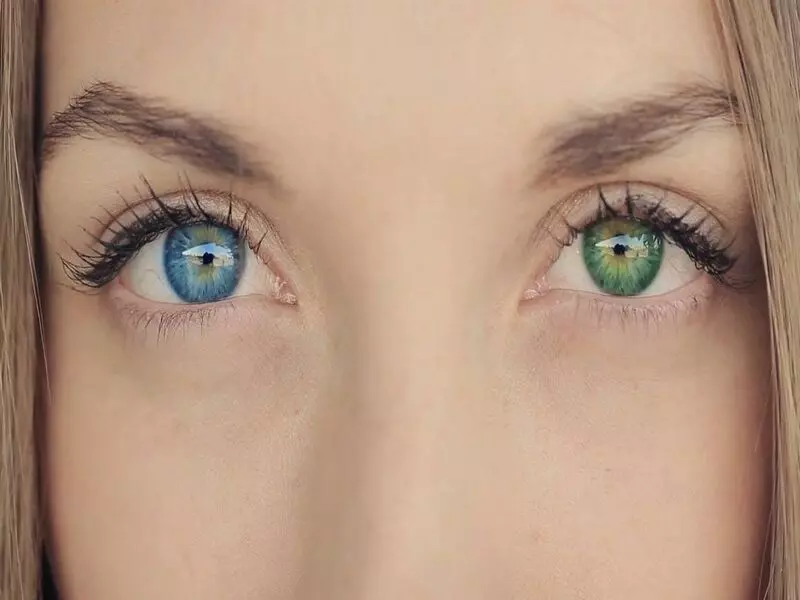
Having Different Eye Colors
Eye color is one of the physiological characteristics that shape our appearance and reflect our personality. Differences in eye colors occur as a result of the combination of genetic, environmental, and biological factors. In this article, we will discuss many topics, from the reasons why eye colors differ to the psychological and social effects of these differences.
Reasons Why Eye Colors Differ
Eye color varies depending on the amount and distribution of the melanin pigment in the iris layer. The color of the iris is largely influenced by our genetic inheritance. The genes we receive from our parents play a critical role in determining our eye color. For example, brown eye color is generally a dominant trait; therefore, children of brown-eyed parents are more likely to have brown eyes.
In addition to genetic factors, environmental influences may also affect eye color. Natural light, aging, and certain health conditions may cause changes in eye color over time. Especially during infancy, eye color contains less melanin and may darken over time. For this reason, babies’ eye colors often change during the first few months of life.
Finally, another reason for differences in eye color may be rare conditions such as heterochromia. Heterochromia is the condition in which a person’s two eyes are different colors. This situation usually occurs as a result of a genetic mutation, but sometimes external factors such as trauma or disease may also cause heterochromia.
Psychological and Social Effects of Eye Colors
Eye color is not only a physiological feature but can also create psychological and social effects. There are common beliefs that eye color reflects personality traits. For example, it is believed that people with blue eyes have a calmer and more peaceful nature, while those with brown eyes are warmer and more sincere. However, such generalizations may not always reflect reality.
From a social perspective, eye colors may lead to different perceptions. In some societies, certain eye colors may be more admired or preferred. This situation may affect a person’s self-confidence or social relationships. For example, in cultures where blue eyes are considered more attractive, individuals with this color may receive more attention.
Psychologically, eye color may influence a person’s self-esteem. Individuals who do not like their own eye color may desire to have a different eye color. This may lead them to consider solutions such as aesthetic procedures or lens use. However, it should not be forgotten that eye color is a personal trait and that every color has its own unique beauty.
Eye Color Change Methods in Ankara
Ankara is home to clinics that offer various options for changing eye color. For those who wish to change their eye color, cosmetic lenses are among the most common methods. Colored lenses provide a temporary eye color change and are quite popular. However, proper use and hygiene of lenses should be carefully observed.
Among eye color change methods in Ankara, laser eye color change is also included. This method offers a modern option for those who wish to permanently change their eye color using laser technology. However, such procedures require careful evaluation and professional consultation.
Laser Eye Color Change: Process and Results
Laser eye color change is a method that has gained popularity in recent years. This procedure targets the melanin pigment in the eye, reducing excess melanin and thereby lightening the eye color. It is generally used to transform brown eyes into lighter colors such as blue or green.
The laser eye color change process is a highly delicate procedure and should only be performed by experienced eye doctors. Before the procedure, a comprehensive examination is conducted to determine whether the eyes are suitable. Then, the melanin layer in the eye is targeted using a laser device. The procedure is generally performed in several sessions, and each session lasts approximately 20–30 minutes.
Results become noticeable a few weeks after the procedure. However, it is important to note that this procedure is permanent and irreversible. Additionally, as with any medical procedure, this method also carries risks. Therefore, individuals considering laser eye color change are advised to conduct thorough research and obtain information from specialist physicians before making a decision.
Eye Colors and Genetic Factors
Eye colors are largely determined by our genetic inheritance. The two most important genes that determine eye color are the OCA2 and HERC2 genes. These genes control the amount of melanin in the iris layer. Brown eyes are generally associated with dominant traits, while blue and green eyes are linked to more recessive genes.
In addition to genetic factors, other elements may also influence eye color. For example, environmental influences, the aging process, and hormonal changes may cause changes in eye color over time. However, such changes are usually not very pronounced and are not as influential as genetic factors.
It is also important to remember that the genetic factors affecting eye color have a complex structure. The presence of individuals with different eye colors within the same family may be a result of genetic diversity. This shows that even though they come from the same gene pool, different gene combinations can lead to different eye colors.
Interesting Facts About Eye Colors
There are many interesting facts about eye colors. For example, the most common eye color in the world is brown, and a large portion of the world’s population has this color. Blue eyes, although rare, are genetically more common in Northern Europe. However, it is estimated that blue eyes were historically more widespread and have decreased over time due to genetic diversity.
Another interesting fact is that eye color may change during the aging process. Some people may notice that their eye color changes slightly as they age. This is generally associated with a decrease in melanin production and is usually not a very pronounced change.
Additionally, rare conditions such as heterochromia are among the interesting facts about eye colors. Heterochromia causes a person’s two eyes to be different colors and usually occurs as a result of a genetic anomaly or trauma. This condition can be seen in both humans and animals and is quite striking.
 Call
Call
 Whatsapp