
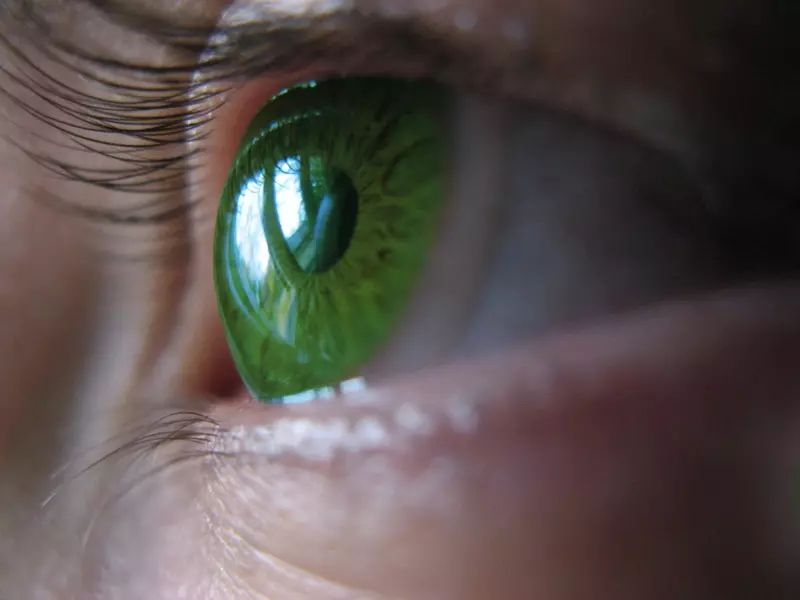
Green-Eyed People
Green-eyed people belong to one of the rarest eye color groups in the world. This eye color emerges from a combination of genetic and environmental factors and depends on the amount of melanin in the iris and the way light refracts within the eye. It is more commonly seen in Northern Europe, particularly in Ireland and Scotland. However, green eyes can be found all over the world and are often considered a rare gift of nature.
Individuals with green eyes are generally perceived as striking and impressive. Because this eye color is uncommon, it is often seen as mysterious and attractive. Many myths and folk stories surround green-eyed people, suggesting that they are intuitive and creative. Throughout history, artists, writers, and filmmakers have frequently portrayed green-eyed characters as heroes or mysterious figures.
Green eyes are also known for appearing to change shades under different lighting conditions. This quality gives green-eyed individuals a distinctive sparkle. Although there is no scientific evidence proving that eye color affects personality, green-eyed people are often described as having a unique and compelling charisma.
Why Is Green Eye Color Rare?
The rarity of green eyes primarily results from specific genetic combinations. Melanin plays a major role in determining eye color. Brown eyes contain high levels of melanin, while blue eyes contain very little. Green eyes fall between these two extremes, with moderate melanin levels.
Green eye color is typically associated with non-dominant genetic traits, meaning the likelihood of having green eyes is lower compared to other eye colors. While genetics has not yet fully explained all aspects of this rare trait, green eyes are understood to result from particular genetic variations. Environmental factors and geographical location may also influence how eye color appears.
Green eyes are found in approximately 2% of the world’s population, making them quite distinctive. As genetic research advances, our understanding of green eyes may continue to develop. For now, green-eyed individuals continue to stand out because of this rare characteristic.
Green-Eyed People and Personality Traits
Green-eyed individuals are often perceived as mysterious and captivating. Various myths and beliefs associate this rare eye color with certain personality traits. Green-eyed people are commonly described as creative, intuitive, and charismatic. It is also said that they may be adaptable and socially flexible.
Some believe that green-eyed individuals possess leadership qualities and have the ability to influence others. This perception may provide advantages in professional and social settings. They are also often thought to have strong empathy skills, making them attentive listeners in social interactions.
However, it is important to remember that eye color alone does not determine personality. Green-eyed individuals, like everyone else, have diverse traits and unique personal stories.
Interesting Facts About Green-Eyed People in Ankara
As the capital of Türkiye, Ankara is home to people from diverse cultural backgrounds. Green-eyed individuals are part of the city’s rich demographic structure. Those with this rare eye color contribute to the city with their varied histories and origins. Green eyes can be observed among younger populations in different districts of Ankara.
In Ankara, green-eyed individuals are often seen participating in artistic and cultural activities. They may take active roles in creative projects and community events. Art exhibitions, concerts, and theater performances in the capital provide ideal environments for individuals to express their talents and creativity.
Another interesting observation is that green-eyed individuals may attract attention on social media platforms due to their distinctive appearance. Younger generations in Ankara often share their experiences online, and unique physical traits may contribute to broader visibility.
Contact Lenses and Green Eye Color: A Natural Look?
In recent years, the use of contact lenses has become increasingly popular worldwide. Colored lenses are especially popular among those who wish to change their eye color. For individuals who want green eyes, these lenses offer an appealing temporary solution. However, there is ongoing discussion about how natural the appearance may be.
When selected properly, colored lenses can provide a natural look. However, not every lens produces the same effect for every individual. Choosing lenses that match the size and shape of the eye is important. The quality and brand of the lenses also play a significant role. High-quality lenses often feature natural iris patterns that create a more realistic appearance.
It is also important to consider potential risks. To protect eye health, lenses must be used correctly and cleaned regularly. Following the recommendations of an eye doctor is essential. Anyone considering lenses for achieving green eye color should first consult a specialist to determine the most suitable option while protecting eye health.
Laser Eye Color Change Methods
For those seeking a permanent eye color change, laser eye color change methods may be considered as an alternative. These methods aim to create a lasting change in eye color and are usually chosen for aesthetic reasons. The procedure involves targeting and altering pigment in the iris. However, it is important to carefully review information about potential risks and outcomes.
Laser eye color change typically requires a medical procedure and must be performed by a qualified specialist. During the process, a specialized laser targets pigment in the iris. Although this can result in a permanent change, the procedure carries certain risks and should be considered carefully.
Despite increasing interest in these methods, they may not be suitable for everyone. Evaluating potential risks to eye health and conducting thorough research before undergoing such a procedure is essential. Anyone considering changing their eye color should consult an eye specialist to fully understand all possible outcomes and risks before making a decision.
 Call
Call
 Whatsapp