
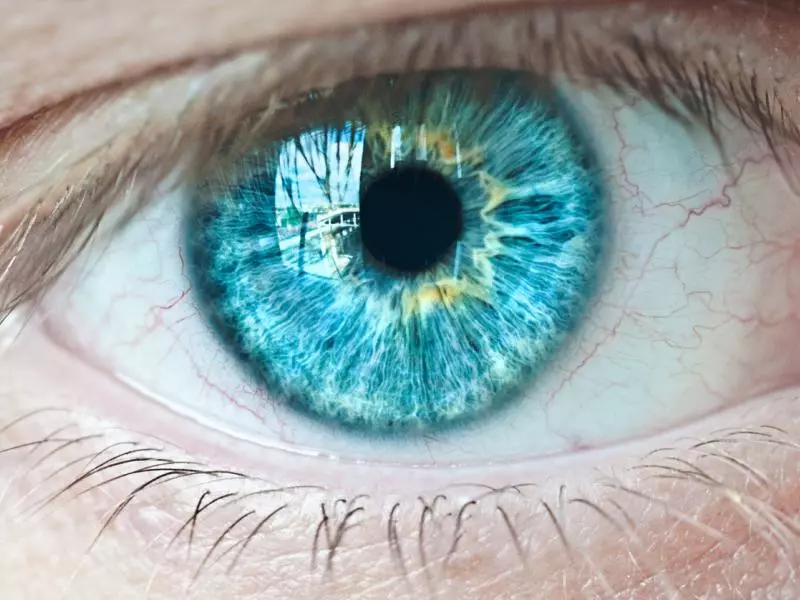
Genetic Eye Colors
Eye color is one of the most striking features that distinguishes individuals from one another. The topic of genetic eye colors is an intriguing part of heredity and genetic science. Our eye color is the result of genetic traits inherited from our parents. In this article, we will examine the genetic structure of eye colors, discuss research conducted in Ankara, explore modern methods related to eye color change, and address the relationship between personality and eye color.
What Are Genetic Eye Colors?
Genetic eye colors refer to how our eye color is determined through inheritance. Eye color is defined by the genetic coding of the iris, the colored part of the eye. The color of the iris depends on the amount and distribution of a pigment called melanin. Eyes with high melanin levels appear dark brown or black, while eyes with lower melanin levels may appear blue or green.
The Genetic Structure of Eye Colors
The genetic structure of eye color is complex. For many years, it was believed that eye color followed Mendel’s simple inheritance laws—where brown was considered dominant and blue recessive. However, more recent genetic research shows that eye color is a polygenic trait, meaning it is controlled by multiple genes. This indicates that many genes interact in determining eye color.
Genetic material inherited from both parents contributes to a child’s eye color. Even if both parents have blue eyes, a child may be born with brown eyes. This demonstrates that eye color can be influenced not only by parents but also by previous generations. The genetic structure of eye color is a complex combination of many factors, making it one of the traits that contribute to human uniqueness.
Research on Eye Colors in Ankara
Ankara has become an important center for genetic research on eye color. Universities and research institutes in the city conduct in-depth studies on genetic eye colors. These studies contribute to advancements in genetic science and help us better understand the genetic factors underlying eye color.
Research Studies
Research conducted in Ankara helps clarify the genetic structure of eye color. These studies indicate that eye color interacts not only with genetic factors but also with environmental influences. For example, melanin levels may vary depending on age, health status, and environmental conditions. Additionally, researchers examine how eye color may relate to overall health and certain diseases.
Studies in Ankara also focus on how and why changes in eye color occur. Such research may contribute to the development of potential treatment approaches in the future. A deeper understanding of the genetic structure of eye color may open new pathways in eye health research.
Contact Lenses and Eye Colors
Contact lenses are commonly used to temporarily change eye color. Colored lenses are often preferred for aesthetic reasons and provide an immediate visual change. However, important considerations must be taken into account when using lenses.
Advantages and Disadvantages of Lenses
Lenses offer a practical solution for individuals who wish to change their eye color. Colored lenses provide a wide variety of options. However, lens use also carries certain risks. Improper use may lead to infections, irritation, or vision problems. For this reason, consulting an eye doctor before using lenses and following proper hygiene guidelines is essential.
Although lenses provide a quick transformation, they require careful handling to protect eye health. Proper cleaning, maintenance, and correct application are crucial. Users should pay attention to the recommended usage duration and undergo regular eye examinations.
Laser Eye Color Change Methods
In recent years, laser eye color change methods have gained popularity. This approach aims to provide a permanent change in eye color, but it should be evaluated carefully due to potential risks and cost.
Characteristics of the Laser Method
Laser eye color change involves reducing pigment in the iris to alter eye color. This procedure typically aims to lighten darker eye colors. However, the results are permanent and irreversible. As with any medical intervention, laser eye color change carries potential risks, including irritation, inflammation, and possible vision complications.
Although often considered for aesthetic reasons, this procedure requires careful consideration. Individuals evaluating this option should be fully informed about potential risks and complications and ensure that the procedure is performed by an experienced medical professional.
The Relationship Between Eye Color and Personality
The relationship between eye color and personality has long been a subject of curiosity. Many people believe that eye color reflects personality traits. But is this belief scientifically supported?
Scientific Findings
Scientific research indicates that establishing a direct relationship between eye color and personality is difficult. However, some studies have identified statistical correlations between certain eye colors and personality traits. For example, findings suggest that blue-eyed individuals may be perceived as calmer and more introverted, while brown-eyed individuals may be seen as more energetic and extroverted. Such studies support the idea that eye color is not a determining factor in personality but may be evaluated within a broader combination of genetic and environmental influences.
The connection between eye color and personality is complex and multifaceted. More research is needed before drawing definitive conclusions. This understanding may contribute to a deeper appreciation of individual differences and human complexity.
Characteristics of Different Eye Colors
Beyond aesthetics, each eye color has distinct biological characteristics and effects. Different eye colors may influence factors such as light sensitivity, disease risk, and even night vision.
Eye Colors and Health
Brown Eyes:
Generally contain more melanin, which provides greater protection against sunlight. As a result, individuals with brown eyes may be less affected by UV radiation and may have lower sensitivity to certain eye conditions.
Blue Eyes:
Contain less melanin and allow more light to pass through. This may make blue-eyed individuals more sensitive to bright light and potentially more susceptible to certain conditions such as cataracts.
Green Eyes:
Rare and typically contain moderate levels of melanin. Green eyes are sometimes described as combining characteristics associated with both brown and blue eyes.
Eye color is not only an aesthetic feature but also a biological factor that may relate to health. Therefore, protecting eye health through regular examinations, wearing appropriate sunglasses, and shielding eyes from harmful radiation is important.
 Call
Call
 Whatsapp