
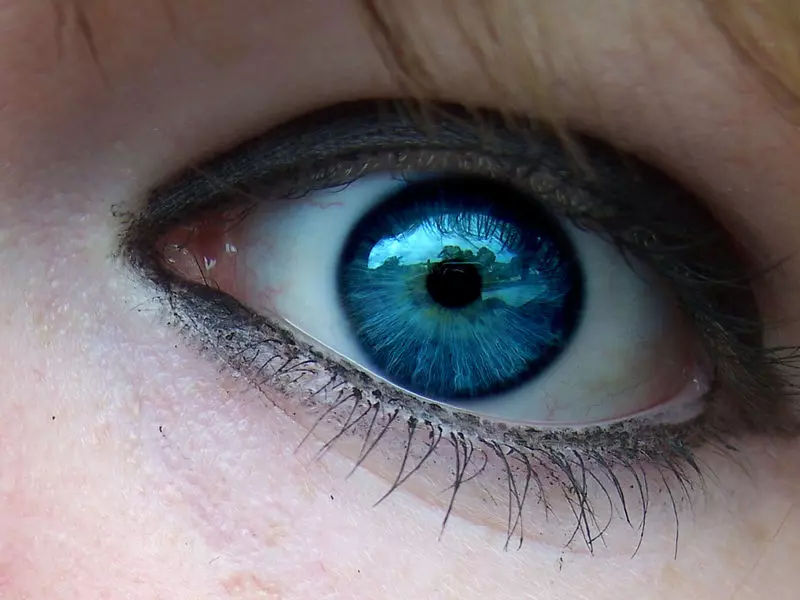
Formation of Colored Eyes
Our eyes are an essential part of our identity and one of the first features people notice. The formation of colored eyes is a complex process shaped by the combination of genetic factors and environmental influences. This process determines eye color, specifically the color of the iris. So, what exactly is the formation of colored eyes and how does it work?
The pigment that forms the basis of eye color is melanin, found in the cells of the iris. Depending on the amount of melanin, eyes can appear blue, green, hazel, or brown. The production and distribution of melanin are determined by our genetic code and serve as the main factor in defining eye color. However, this process is more complex than it may seem.
Many genes within our genetic code influence eye color. Different combinations of these genes determine how inherited traits shape eye color. Genetic information from both parents plays a crucial role. In addition, environmental and biological processes can also contribute to eye color formation.
Genetic Structure of Colored Eyes
To understand the genetic structure of eye color, it is important to know how genes function. Several genes in the human genome influence melanin production and, therefore, eye color. For example, the OCA2 gene regulates melanin levels in the iris and plays a key role in determining whether eye color appears light or dark. Variations in this gene can create differences between blue and brown eyes.
However, OCA2 does not work alone. Other genes, such as HERC2, also play an important role. A specific variant of the HERC2 gene can affect how the OCA2 gene is expressed, influencing whether eyes appear blue or brown. This interaction highlights the complex nature of eye color genetics.
Geneticists have studied eye color inheritance for many years. According to Mendelian principles, brown eye genes are dominant, while blue eye genes are recessive. However, this simple model is not sufficient to explain all eye colors. Since eye color is a polygenic trait, it results from the interaction of multiple genes, leading to a wide spectrum of variations.
Factors Influencing Eye Color Determination
In addition to genetic factors, environmental influences also play a role in how eye color is perceived. Lighting conditions can affect how eye color appears. For example, eyes may look lighter in sunlight and darker in dim environments. This is related to how light interacts with the iris.
Age can also influence eye color. Babies are often born with lighter-colored eyes, which may change as they grow older. This change is due to increasing melanin levels in the iris. As melanin production increases over time, eye color may become darker.
In some cases, hormonal changes can also affect eye color. Particularly in women, conditions such as pregnancy or menopause may cause slight variations. These changes are usually temporary but demonstrate that eye color is not determined solely by genetics.
Global Distribution of Eye Color
Eye color distribution varies significantly around the world. These differences reflect genetic diversity in different regions. For example, blue and green eyes are more common in Europe, especially in Scandinavian countries where blue eyes are highly prevalent.
In Africa and Asia, brown eyes are more dominant due to higher melanin production. Brown eyes provide better protection against sunlight, which is advantageous in regions with strong sun exposure.
In the Americas, migration and mixed ancestry have led to a wide variety of eye colors. In North America, blue and green eyes are more common, while in South America, brown eyes are predominant. This diversity is a result of historical migration patterns.
Evolution of Colored Eyes
The evolution of colored eyes plays an important role in human history. Early humans likely had dark brown eyes, which provided better adaptation to the sunny conditions of Africa. The protective effect of melanin helped shield the eyes from harmful UV radiation.
As humans migrated to different regions, variations in eye color began to emerge. In areas such as Europe, reduced sunlight exposure led to lower melanin production, resulting in lighter eye colors like blue and green. This process was supported by genetic mutations and natural selection.
Researchers continue to study the evolutionary advantages of different eye colors. Some suggest that lighter eyes may offer better vision in low-light environments, while others emphasize their role in social and cultural interactions. The evolution of eye color reflects human diversity and adaptability.
Effects of Eye Color on Health
Eye color is not only an aesthetic trait but may also influence health. Research suggests that different eye colors may be associated with certain conditions. For example, blue and green eyes can be more sensitive to light, leading to issues such as photophobia. This is due to lower melanin levels.
Brown eyes provide better protection against UV radiation, though this does not eliminate all health risks. Individuals with brown eyes may have a lower risk of certain conditions such as cataracts, as higher melanin levels can help protect the eye’s lens. However, each eye color has its own risk factors.
Understanding the effects of eye color on health can help individuals take better care of their eyes. Regular eye check-ups and the use of sunglasses are effective ways to maintain eye health. Regardless of eye color, prioritizing eye care is essential.
 Call
Call
 Whatsapp