
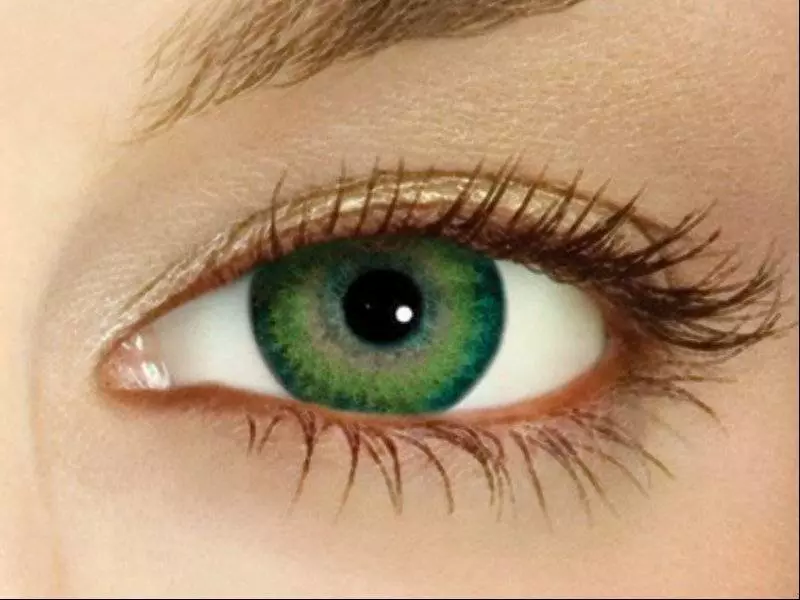
Eye Lenses and Their Colors
Eye lenses have become increasingly popular in recent years, both for cosmetic purposes and for correcting vision problems. Eye lenses and their colors allow users to express their personal style while also improving their visual quality. For individuals who do not want to wear glasses or who have aesthetic concerns, lenses offer an excellent alternative.
What Are Eye Lenses and Their Colors?
Eye lenses are thin, semi-transparent discs usually made of polymers. They are placed directly on the cornea of the eye and provide clear vision to the user. One of the biggest advantages of lenses is that they eliminate the field-of-vision limitations caused by glasses. In addition, with different color options, they allow users to change their eye color.
Colored lenses are ideal for users who want both vision correction and an aesthetic change. Colored eye lenses can be used to enhance the natural eye color or to achieve a completely different look. These lenses come in various tones and patterns. For example, in addition to natural colors such as blue, green, and brown, colors like purple or gray are also available for more dramatic effects.
The main function of lenses is to focus light so that it reaches the retina of the eye. This corrects vision problems and provides clearer sight. The colors of eye lenses are chosen based on personal preferences and are available in different opacity levels to match various natural eye colors.
Different Colors and Features of Eye Lenses
Colored eye lenses are generally divided into two main categories: opaque and tinted lenses. Opaque lenses completely cover your natural eye color and give a new color. For example, if you have dark brown eyes and want blue eyes, opaque lenses would be the best option. Tinted lenses, on the other hand, enhance or slightly change your existing eye color, offering a more natural look.
Both types of lenses offer different features. Opaque lenses usually provide a more noticeable change, while tinted lenses are ideal for those seeking a subtle transformation. When choosing lenses, you should consider factors such as your eye color, skin tone, and hair color. These factors can help you achieve a more natural appearance.
In addition, some colored lenses provide UV protection, helping to protect your eyes from harmful sunlight. This is an important feature, especially for users who spend a lot of time outdoors. When purchasing lenses, it is important to check whether such additional features are included.
Uses of Eye Lenses
Eye lenses are used not only for cosmetic purposes but also to correct various health conditions. Contact lenses can be prescribed to correct common vision problems such as myopia, hyperopia, and astigmatism. These lenses provide comfort and freedom of movement that glasses cannot offer.
From an aesthetic perspective, colored lenses are a perfect complement for those who want to match their makeup or outfits. Those who want to achieve a different look for special occasions or in daily life can create a striking style by changing their eye color. Colored eye lenses are especially popular in photoshoots and social events.
Additionally, there are special effect lenses for professionals working in theater or film. These lenses are used to make characters appear more realistic. For example, special designs are available to mimic the eyes of vampire or zombie characters. Such lenses are also frequently used in performing arts or costume parties.
Things to Consider When Choosing Eye Lenses and Colors
One of the most important factors when choosing eye lenses is whether they are suitable for your eye health. Factors such as material quality, oxygen permeability, and moisture content can directly affect eye health. Therefore, it is important to consult an eye doctor before purchasing lenses.
Color selection is another important aspect to consider. If you want to change your eye color while maintaining a natural look, you should choose tones that match your skin tone. For example, blue or green tones may provide a more natural appearance for someone with fair skin, while darker tones may be more suitable for those with darker skin.
Lens care is also extremely important for eye health. You should clean your lenses regularly and use appropriate storage solutions. This reduces the risk of infection and extends the lifespan of the lenses. Additionally, it is important to know how long you can use your lenses and not exceed that duration. Eye lenses are generally available for daily, monthly, or yearly use.
Frequently Asked Questions About Eye Lenses and Colors
One of the most common concerns when using eye lenses is their safety. For lenses to be used safely, they must be properly inserted, cleaned, and stored. If usage instructions are not followed, problems such as eye infections or irritation may occur.
Another frequently asked question is how long lenses can be used. Lenses are generally classified as daily, weekly, monthly, or yearly. When deciding which type is suitable for you, you should consider your lifestyle and needs. For example, daily lenses may be practical for people who travel frequently or have a busy schedule.
Finally, one common myth about colored lenses is that they reduce vision quality. In fact, high-quality lenses prescribed correctly can improve vision quality. However, colored lenses may have slightly lower light transmission than clear lenses, which can cause a slight decrease in vision in low-light conditions. This is related more to the design of the lens than its color.
 Call
Call
 Whatsapp