
Eye Colors Around the World
Eyes are one of the most striking features of a person and make each individual unique with their different colors. Eye colors around the world are quite diverse, and this diversity is closely related to genetic factors. Eye color appears in different shades such as brown, blue, green, and hazel depending on the amount of melanin in the iris. In this article, we will present a broad perspective on the genetic origins of eye colors, their psychological effects, and how they can be changed through technological methods.
What Are Eye Colors Around the World?
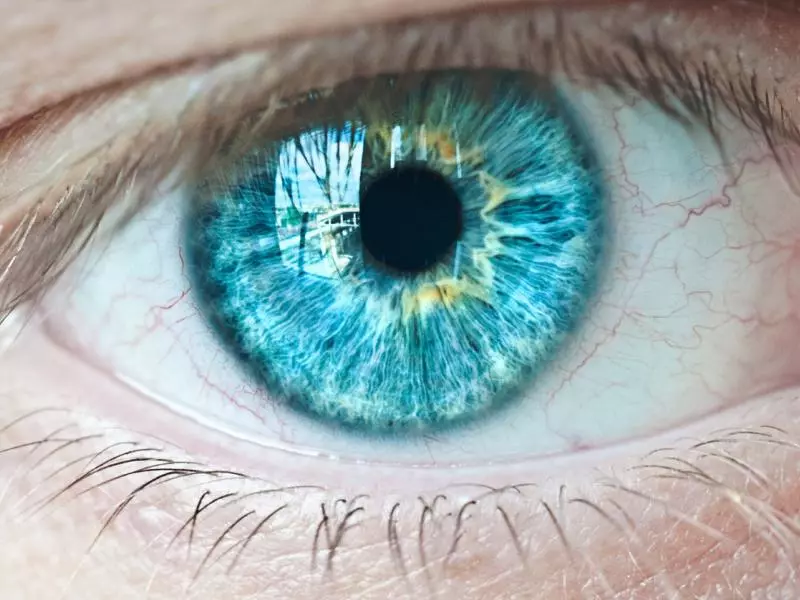
Worldwide, human eye colors show great diversity. The most common eye color is brown, and a large portion of the global population has this color. Brown eyes are generally dark and distinct due to their high melanin concentration. In contrast, blue eyes contain less melanin and are more common among individuals of European descent. Green eyes are rarer and are typically seen in regions such as Ireland and Scotland.
Eye color is directly related to the amount and distribution of melanin in the iris. Melanin is a natural pigment that determines the color of the skin, hair, and eyes. As melanin levels increase, eye color becomes darker. For this reason, brown eyes have a high concentration of melanin, while blue eyes contain less melanin, which gives them their lighter appearance.
Eye colors are shaped not only by genetic factors but also by geographic and ethnic origins. For example, individuals of Asian and African descent generally have darker eye colors, while lighter colors are more common among those of European descent. This is a result of genetic diversity and natural selection.
Eye Colors Around the World and Genetic Factors
Genetic factors play a significant role in the formation of eye color. Certain genes in the human genome are critical in determining eye color. In particular, the OCA2 and HERC2 genes are among the primary genes influencing eye color formation. These genes regulate melanin production and distribution, thereby determining eye color.
Genetic science allows us to better understand the mechanisms that determine eye color. The possibility of two brown-eyed parents having a blue-eyed child can be explained through genetic combinations and recessive genes. Recessive genes are those that are not outwardly expressed but can appear when two carriers pass them on to their child.
Although eye color is genetically inherited, it can also be influenced by environmental factors. Certain changes in eye color may occur during the aging process. Babies are often born with blue eyes, which may darken over time. This change is related to the increase in melanin production during the early years of life.
Eye Color Research in Ankara
Ankara has become one of the centers for scientific research on eye color. Universities and research centers in the capital conduct significant studies in the fields of genetics and ophthalmology. These studies contribute to understanding the genetic origins of eye color and developing new techniques related to eye color changes.
Researchers in Ankara are implementing numerous projects focused on eye color variation and genetic diversity. In particular, studies on the genetic determinants of eye color and how these genes may be influenced have attracted considerable interest in the scientific community. Such research may pave the way for new methods of eye color modification in the future.
Additionally, seminars and conferences held in Ankara provide opportunities to gain extensive knowledge about eye color and genetic research. These events allow experts to share their latest findings and discuss innovations in the field. If you wish to learn more, you may consider following the event schedules of universities and research centers in Ankara.
Lens Use and Eye Color Change
For those who want to temporarily change their eye color, one of the most common methods is the use of contact lenses. Colored lenses allow users to change their eye color for a short period. These lenses, produced to be compatible and safe for the eyes, offer different color options according to fashion or personal preferences.
One advantage of using colored lenses is the opportunity to test how a different eye color would look before making a permanent change. This allows individuals to try different shades and determine which color suits them best. It is also an ideal solution for those who want a temporary change for special occasions or events.
However, lens use involves certain risks and precautions. Proper cleaning and storage of lenses are essential for maintaining eye health. Paying attention to hygiene while using lenses reduces the risk of infection. If you are considering using lenses, it is advisable to consult an eye specialist and obtain your lenses from a reliable source.
Laser Eye Color Change Methods
For those seeking a permanent eye color change, one of the most modern methods is laser eye color change procedures. This method aims to alter eye color by reducing or increasing melanin in the iris. Laser technology can be applied in a controlled manner to achieve the desired shade.
The laser eye color change procedure is typically short and minimally invasive. During the operation, a low-energy laser beam is applied to the iris layer at the front of the eye to alter melanin levels. This procedure results in a permanent change in eye color, and results are generally observed within a few weeks.
While this method may be appealing for those who want a permanent change, it also carries certain risks, as with any medical procedure. If you are considering such an intervention, it is important to obtain detailed information about the experience of the specialist performing the procedure and the reliability of the clinic.
Psychological Effects of Eye Color
Eye color is not only an aesthetic feature but also an element with psychological effects. People may be subject to certain perceptions and biases based on their eye color. For example, some studies suggest that blue-eyed individuals may be perceived as more distant or cold, while brown-eyed individuals are often seen as warmer and friendlier.
The psychological effects of eye color also influence how individuals see themselves and how they are perceived by others. Some people may find their eye color more attractive, which can boost their self-confidence. On the other hand, individuals who wish to change their eye color should try to understand the psychological reasons behind this desire and consider how such a change might make them feel.
If you are thinking about changing your eye color, it is important to carefully evaluate your motivations and the possible psychological effects of this decision. Before making a change to your appearance, consider what this change means to you and which emotional needs you hope to address.
Eye Color Change Services in Ankara
Ankara stands out as a city offering various options for eye color change services. Many clinics and eye hospitals in the capital provide both temporary and permanent eye color change methods. Procedures such as colored contact lenses and laser eye color change are performed by professionals specialized in this field.
Clinics in Ankara offer personalized consultation services to develop the most suitable solutions for individuals wishing to change their eye color. In these centers, the genetic structure of eye color, personal expectations, and overall health conditions are taken into consideration when determining the most appropriate method. Detailed information about post-procedure care and eye health is also provided.
If you are considering eye color change services in Ankara, it is advisable to conduct thorough research and consult an experienced specialist. To determine the most suitable method for your needs and minimize potential risks, it is important to be informed about the reliability and experience of the clinic performing the procedure.
 Call
Call
 Whatsapp