
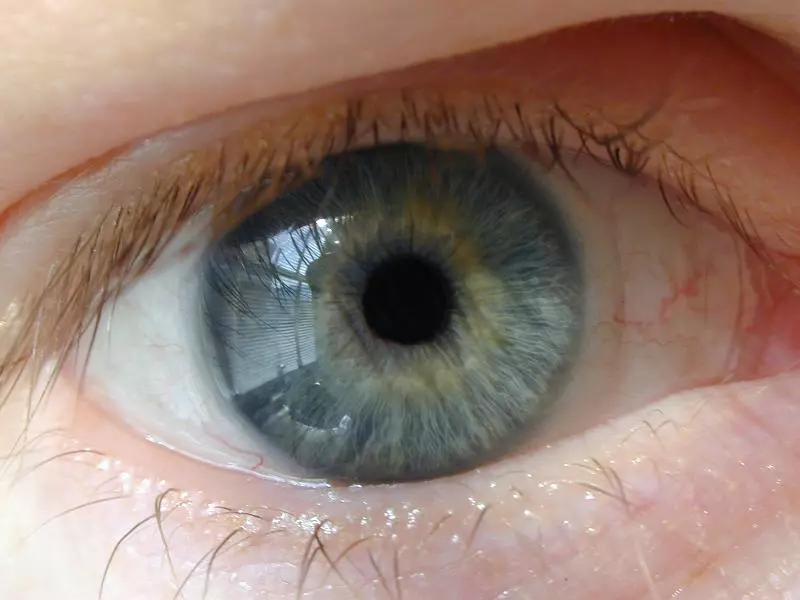
Eye Colors and Their Rarity
Eye colors are determined by a combination of various factors such as genetic influences and environmental conditions. Each person’s eye color is unique, forming an important part of their personal identity. Although different eye colors exist around the world, some are more common than others. Eye colors and their rarity are significant elements that affect people’s appearance. In this article, we will examine common and rare eye colors, how these colors are formed, and whether eye color change is possible.
What Are Eye Colors and Their Rarity?
Eye colors are determined by the amount and distribution of pigmentation in the colored part of the eye called the iris. The main eye colors can be classified as brown, blue, green, and hazel. In addition to these, less common shades such as amber and gray also exist. Eye colors and their rarity are the result of genetic inheritance and are generally passed down from parents.
According to genetic information, several genes determine eye color. These genes affect the amount of pigmentation and how the eye reflects light. For example, a high melanin content causes darker eye colors, while low melanin levels lead to lighter eye colors. Therefore, eye color is like a genetic lottery; it varies depending on which genes we inherit from our parents.
The rarity of eye colors varies across the world. For instance, brown eyes are common among a large portion of the global population, while blue eyes are less frequently seen. Genetic diversity leads to different eye colors appearing in different populations.
Most Common Eye Colors in the World
The most common eye color worldwide is brown. Brown eyes contain high levels of melanin, which makes them more protected against sunlight. People with brown eyes are more commonly found in regions such as Asia, Africa, and South America.
Blue eyes are more common among people of Northern European descent. This eye color appears due to low melanin levels and is often associated with lighter skin tones. Blue eyes are not genetically dominant, meaning that two blue-eyed parents do not necessarily have a blue-eyed child.
Hazel eyes can be described as a mixture of brown and green, and the prevalence of this eye color may vary by geographic region. Hazel eyes are frequently seen in certain parts of Europe. This eye color can change depending on lighting conditions, making it unique.
Rare Eye Colors and Their Characteristics
Green eyes are among the rarest eye colors in the world. This color appears due to differences in the pigment structure of the iris and is more commonly found in regions such as Scandinavia, Scotland, and Ireland. The rarity of green eyes makes them appear attractive and mysterious.
Amber eyes are a rare eye color formed by a combination of golden and copper tones. This eye color is more commonly seen in regions such as Asia and South America. Amber eyes often leave a warm and friendly impression, making them a noticeable feature.
Gray eyes are another rare eye color, typically found in Northern and Eastern Europe. The pigmentation of gray eyes allows light to reflect at different angles, which can make them appear blue or green at times. This variable nature makes gray eyes fascinating.
Research on Eye Colors in Ankara
Scientific studies conducted in Ankara examine the distribution of eye colors and genetic diversity in Türkiye. These studies help us understand the genetic heritage of different regions of the country. Research carried out at universities in Ankara investigates the effects of the genetic structure of the Turkish population on eye color.
Studies show that the most common eye color in Türkiye is brown. However, due to Türkiye’s geographical location and history, less common colors such as blue and green can also be found. This diversity reflects the country’s cultural and genetic richness.
Research conducted in Ankara also suggests that environmental factors, in addition to genetic influences, may affect eye color. For example, factors such as sunlight exposure and lifestyle may influence the tone and intensity of eye color.
Laser Eye Color Change: How Does It Work?
In recent years, laser eye color change technology has become an option for people who want to change their eye color. This procedure aims to lighten eye color by reducing pigment in the iris. However, this method remains controversial, and potential risks should be considered.
During the laser eye color change procedure, a specialized laser is used to reduce the amount of melanin in the iris. The process may require several sessions, and the results are expected to be permanent. However, such interventions may have lasting effects on eye health and should therefore be evaluated carefully.
Although this method may seem appealing to some individuals, potential risks and side effects must be taken into account. Eye health should always be prioritized over aesthetic concerns, and such procedures should only be performed by qualified specialists.
Genetic Foundations of Eye Colors
Eye colors are the result of our genetic inheritance. Several different genes determine eye color, affecting both tone and intensity. One of the main genes, OCA2, plays an important role in melanin production in the iris.
This genetic structure is determined by genetic information passed from parents to children. A child of two brown-eyed parents is usually brown-eyed, but genetic variations mean this is not always the case. The genetic structure of eye color is generally determined according to Mendelian inheritance laws.
The genetic foundations of eye color may affect not only color tone but also eye health. For example, blue-eyed individuals may be more sensitive to sunlight. Therefore, the genetic structure of eye color is an important factor in maintaining eye health.
Psychological Effects of Eye Colors
Eye color is not only a physical feature but also an element with psychological effects. People may be perceived differently based on eye color, which can influence social interactions. The psychological effects of eye color may shape an individual’s self-confidence and relationships with others.
For example, some studies suggest that blue-eyed individuals are perceived as more trustworthy and sincere. On the other hand, brown eyes may create a stronger and more authoritative impression. These perceptions can also be shaped by cultural and social norms.
The psychological effects of eye color may also influence how individuals perceive themselves. Self-confidence, body language, and communication style can combine with perceptions associated with eye color, influencing social success.
Relationship Between Eye Colors and Personality
The relationship between eye color and personality has been a topic of curiosity and discussion throughout history. Some theories suggest that eye color may influence personality or reflect it. However, such relationships generally lack scientific evidence.
Brown-eyed individuals are often described as more introverted and thoughtful, while blue-eyed individuals are suggested to be more extroverted and social. Green eyes are often associated with creative and innovative personalities. However, these generalizations do not apply to everyone, as personality is shaped by many factors.
More research is needed to better understand the relationship between eye color and personality. Still, these assumptions, even without scientific basis, offer interesting insights into how people perceive themselves and others.
 Call
Call
 Whatsapp