
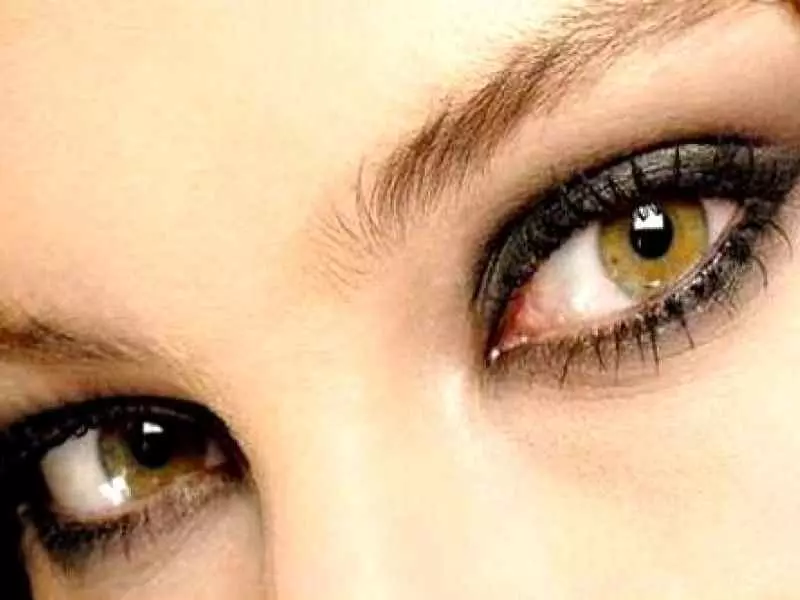
Eye Colors and Their Names
Eye colors are an important feature that attracts attention and reflects personality. Each eye color carries its own unique charm and character. In this article, we will explore the topic of eye colors and their names in detail.
What Are Eye Colors and Their Names?
Eye colors are determined by genetic factors and the amount of melanin pigment. Eye colors and their names play an important role in how individuals express themselves. The most common eye colors include brown, blue, green, and hazel. Additionally, rarer eye colors such as gray and amber also exist.
Brown eyes are the most common worldwide and are often associated with rich, warm tones. Blue eyes are typically linked to a calm and serene appearance. Green eyes are rarer and are often associated with nature and vibrancy. Hazel eyes are known as a blend of brown and green tones.
Eye color is not only an aesthetic feature but also carries cultural and psychological meanings. In different cultures, eye colors are associated with various symbols and interpretations, which enhances their impact on people.
Formation of Eye Colors
The formation of eye color is closely related to genetic factors. The main determinant of eye color is the amount of melanin in the iris. Melanin is a pigment that influences not only eye color but also skin and hair color. The more melanin present, the darker the eye color.
Since eye color is genetic, it is passed from parents to children. However, this process is complex and can sometimes produce unexpected results. For example, brown-eyed parents may have a blue-eyed child due to genetic variations and recessive genes.
In addition to genetics, environmental factors can also influence eye color. For instance, a baby’s eye color may change after birth as melanin production increases over time. Typically, a baby’s eye color becomes more stable within the first six months.
Rare Eye Colors
Although brown, blue, green, and hazel are common, some people have rarer eye colors that create a unique and striking appearance.
Gray Eyes: Gray eyes are rare and often give off a mysterious impression. They can appear blue or green depending on lighting conditions.
Amber Eyes: Amber eyes are characterized by golden or copper tones. This rare eye color often gives a warm and inviting look.
Red or Violet Eyes: Rare genetic conditions such as albinism can result in unusual eye colors like red or violet. These are typically linked to a lack of melanin.
Rare eye colors usually arise from genetic mutations or variations and may carry different meanings across cultures.
Psychological Effects of Eye Colors
Eye color can influence how people are perceived psychologically. Different eye colors are often associated with certain personality traits and emotional characteristics, which can affect social interactions.
Brown eyes are commonly linked with reliability and determination. Individuals with brown eyes often give a warm and friendly impression.
Blue eyes are associated with calmness and peace. People with blue eyes are often perceived as gentle and empathetic, which may help them build social connections more easily.
Green eyes are linked with creativity and energy. Individuals with green eyes are often seen as charismatic and dynamic, making them stand out in social settings.
While eye color may influence perception, it is important to remember that personality is shaped by many factors.
Relationship Between Eye Color and Personality
There is a common belief that eye color is connected to personality traits. This idea has been explored in various cultural and psychological contexts. Different eye colors are often associated with specific character traits.
Brown Eyes: Often seen as reliable, loyal, and responsible. These individuals are frequently viewed as natural leaders.
Blue Eyes: Typically described as creative, curious, and imaginative. They are also known for emotional depth and empathy.
Green Eyes: Often associated with independence, freedom, and energy. They are perceived as charismatic and passionate.
Although these associations exist, personality cannot be defined solely by eye color, as many other factors play a role.
Changes in Eye Color
Eye color can change over time due to genetics, aging, and environmental factors. These changes are usually related to variations in melanin levels.
A baby’s eye color may change within the first few months as melanin production increases. Eyes that are blue at birth may later turn brown or green.
Aging can also affect eye color. As melanin production decreases over time, eye color may appear lighter. Additionally, certain health conditions or medications can lead to changes in eye color.
Most eye color changes are natural and not a cause for concern. However, if sudden or unexplained changes occur, it is advisable to consult an eye specialist.
 Call
Call
 Whatsapp