
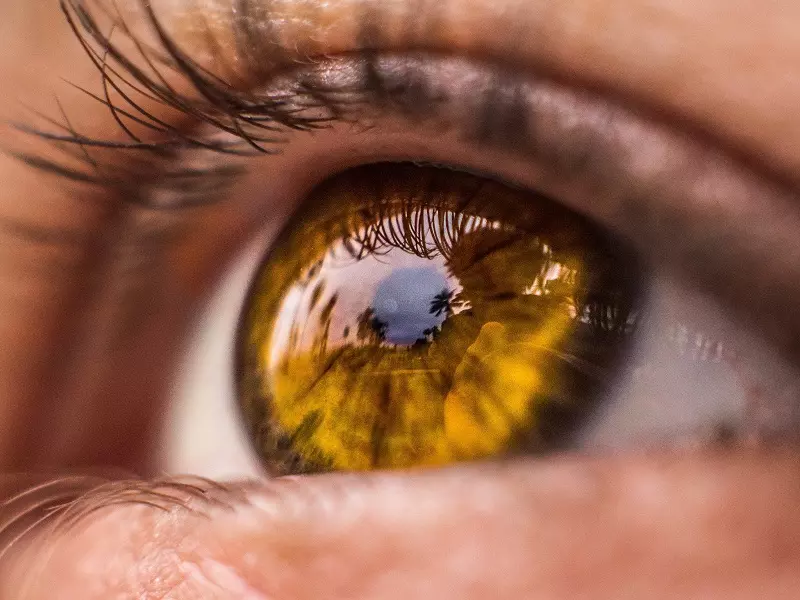
Eye Colors and Their Characteristics
Eye color is not just an aesthetic feature; it is also an important trait that can provide clues about genetics, health, and even personality. Eye colors and their characteristics are part of our genetic heritage, determined by the genes we inherit from our parents. In this article, we will explore the world of eye color, from its anatomy to its social effects.
The Anatomy of Eye Color
Eye color is determined by the iris, the colored part of the eye. The iris varies in tone depending on the density and type of melanin pigment it contains. As melanin levels increase, eye color becomes darker. For this reason, brown eyes typically contain more melanin, while blue and green eyes contain less, resulting in lighter shades.
The structure of the iris and the distribution of melanin can cause eye color to appear in different tones and patterns. This distribution is primarily determined by genetics, though environmental factors may occasionally play a role. For example, some individuals notice subtle changes in their eye color as they age.
The anatomical structure of the eye also influences light sensitivity. Higher melanin density may offer greater protection against bright light, while lighter-colored eyes may be more prone to light sensitivity (photophobia).
Eye Colors in Ankara: What to Know
For those living in Ankara, certain environmental factors may influence eye comfort. The city’s strong sunlight can create challenges for individuals with lighter-colored eyes. Wearing sunglasses is therefore important for protecting eye health.
Ankara offers advanced eye care services. Both private clinics and public hospitals provide comprehensive examinations and treatments related to eye health. Seasonal changes may bring about dryness or allergies, making professional consultation beneficial when needed.
Research also suggests significant genetic diversity within the city. The variety of eye colors observed in Ankara reflects both cultural richness and genetic variation.
The Effect of Contact Lenses on Eye Color
Contact lenses are used not only to correct vision but also to enhance or change eye color. Colored lenses are a popular option for those seeking aesthetic changes.
Available in various shades and designs, colored lenses can partially or completely alter natural eye color. However, proper use is essential for maintaining eye health. Lenses must be stored hygienically, cleaned regularly, and used according to recommended time limits.
Improper use may lead to infections, irritation, or even long-term damage. Therefore, consulting an eye specialist before using lenses is strongly recommended.
Laser Eye Color Change Methods
In recent years, laser eye color change procedures have gained popularity. This method involves thinning or removing the melanin layer in the iris to achieve a permanent color change. Because it involves medical intervention, it must be carefully evaluated.
Laser eye color procedures are typically performed for cosmetic reasons, and the results are permanent. However, risks such as permanent damage, vision loss, or other complications may occur. Anyone considering this option should consult an experienced specialist and carefully assess potential risks.
Pre- and post-procedure care is also important. Following medical advice, maintaining proper eye hygiene, and using prescribed medications can support recovery.
Psychological and Social Effects of Different Eye Colors
Eye color can influence social perception and psychological experiences. For example, blue eyes are often associated with calmness and trustworthiness, while brown eyes are linked to warmth and sincerity. These perceptions are shaped by social and cultural influences.
From a psychological perspective, eye color may affect self-confidence. Some individuals may feel unique because of their eye color, while others may feel different from societal norms. Such experiences can influence social relationships and self-esteem.
Eye color may also play a role in communication. Eye contact is an important part of interpersonal interaction, and eye color can subtly shape emotional responses during communication.
Popular Eye Colors and Their Characteristics
Brown eyes are the most common worldwide. Blue, green, and hazel eyes are also popular and each has distinctive features:
Brown Eyes: The most common eye color, characterized by high melanin levels. They are generally less sensitive to light.
Blue Eyes: Contain lower melanin levels and may be more sensitive to bright light. Sunglasses are often preferred in sunny conditions.
Green Eyes: A rare color resulting from a unique combination of melanin and lipochrome pigments.
Hazel Eyes: Known for shifting tones under different lighting conditions. They are a blend of brown, green, and golden shades.
Tips for Enhancing Your Eye Color
There are several ways to highlight your eye color:
Makeup Techniques: Choosing eyeshadow tones that complement your eye color can enhance their appearance. For example, copper and gold tones suit blue eyes, while purple and green shades complement brown eyes.
Glasses and Lens Choices: The color of your frames or lenses can emphasize your natural eye color.
Clothing Selection: Wearing complementary or contrasting colors can make your eyes stand out more prominently.
Eye color is more than just a visual feature—it reflects genetics, culture, perception, and individuality.
 Call
Call
 Whatsapp