
Eye Color Ratios in the World
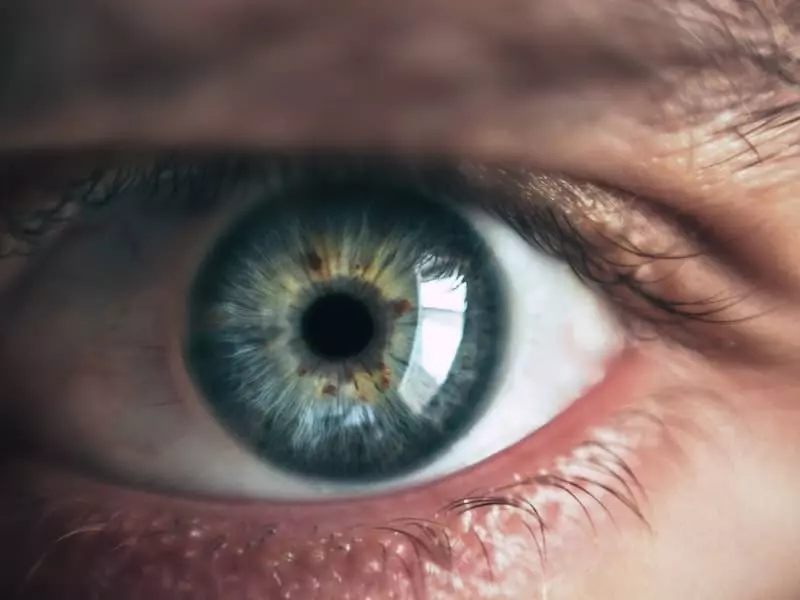
Eye colors are one of the most striking expressions of our genetic inheritance. Different shades and tones make each individual unique. The main eye colors are blue, brown, green, and hazel. In addition, rarer shades such as gray and amber also exist. Each eye color is formed based on the amount and distribution of melanin pigment.
Brown eyes are the most common eye color worldwide. High levels of melanin create dark brown or nearly black eyes, while lower levels result in lighter brown tones. Blue eyes appear due to low melanin levels, which cause light to scatter differently within the eye, creating their distinctive look.
Green eyes are relatively rare and typically contain moderate levels of melanin. Hazel eyes are a unique combination, usually blending brown and green tones. This mixture can appear to change depending on lighting and surroundings, making hazel eyes particularly distinctive.
Eye Color Distribution in the World
The distribution of eye colors varies significantly depending on geographic and genetic factors. Brown eyes make up approximately 79% of the global population, making them the most common. This eye color is especially dominant in Africa, Asia, and South America. Blue eyes account for about 8–10% and are more commonly found in Northern Europe.
Green eyes are present in only about 2% of the global population, making them one of the rarest eye colors. They are more frequently seen in countries such as Ireland and Scotland. Hazel eyes are found in around 5% of the population and are more common in Europe and the Middle East.
These ratios help us better understand genetic diversity and the evolutionary history of populations. While eye color is largely determined by genetics, environmental factors may also play a role.
Genetic Foundations of Eye Colors
Eye color is a genetically determined trait controlled by genes passed from parents to children. The amount and distribution of melanin are the primary factors that define eye color. Genes such as OCA2 and HERC2 play a critical role in this process.
These genes regulate melanin production in the eye. For example, higher activity of the OCA2 gene leads to increased melanin production, resulting in brown eyes. Lower activity leads to reduced melanin levels and the appearance of blue eyes.
Genetic inheritance explains the wide variety of eye colors. For instance, two brown-eyed parents can still have a blue-eyed child due to complex genetic variations. This diversity highlights the richness of human genetics.
Eye Colors in Different Cultures
Eye colors carry different meanings across cultures and societies. In many Asian and Middle Eastern cultures, brown eyes are considered the norm and rarely carry special significance. However, in other regions, this color may be seen as exotic.
Blue eyes are often associated with beauty and attractiveness in Western cultures. They are frequently linked to innocence and purity. Green eyes are commonly described as mysterious or captivating and have been associated with supernatural qualities in some cultures.
Cultural perceptions can also shape the psychological impact of eye color. For example, individuals with hazel eyes may be seen as charismatic or intriguing, influencing how they are perceived socially.
Psychological Effects of Eye Colors
Eye colors can influence how individuals perceive themselves and others. People often form first impressions based on eye color, which can affect social interactions. Some studies suggest that blue-eyed individuals are perceived as more trustworthy.
Green-eyed individuals are often seen as creative and passionate, while hazel eyes are associated with emotional intelligence and adaptability. These perceptions, however, are shaped by social norms and personal experiences rather than scientific certainty.
Historical Importance of Eye Colors
Throughout history, eye colors have held different meanings across cultures. In ancient Egypt, blue eyes were considered divine symbols and associated with power and wisdom.
In medieval Europe, green eyes were sometimes linked to witchcraft and supernatural beliefs. These associations show how deeply eye color has influenced cultural narratives.
Today, eye color continues to play an important role in personal identity and beauty standards, especially in media and fashion.
Relationship Between Eye Color and Health
Eye color may be linked to certain health-related sensitivities. Individuals with lighter eye colors may be more sensitive to sunlight due to lower melanin levels, which provide less protection against UV rays.
Some research also suggests that blue-eyed individuals may have higher tolerance to certain environmental factors, although more studies are needed.
Understanding how eye color relates to health can help individuals take better care of their eyes. Using sunglasses and having regular eye check-ups are simple but effective ways to maintain eye health.
 Call
Call
 Whatsapp