
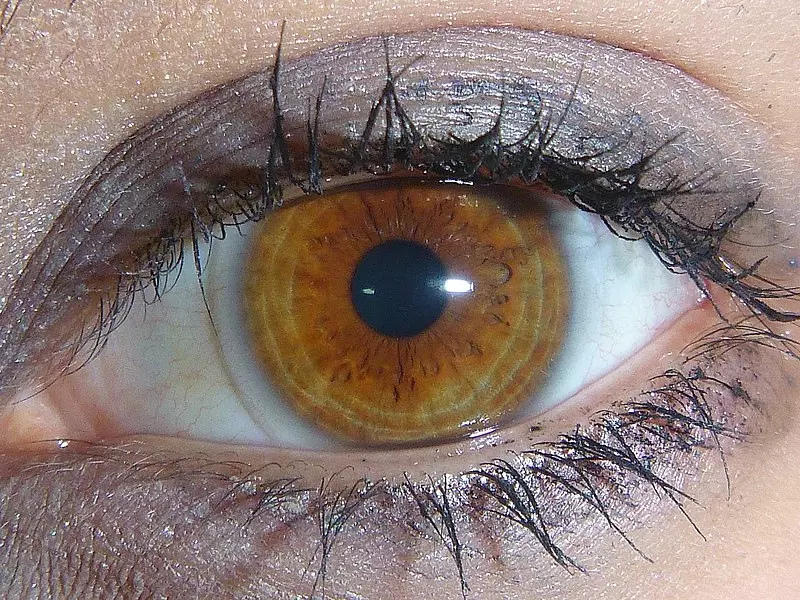
Eye Color Probabilities
Eye color probabilities refer to the process of predicting what eye color a child may have based on their genetic structure. These probabilities are calculated based on the eye colors and genetic backgrounds of the mother and father. Eye color generally includes main colors such as brown, blue, and green, as well as rarer shades like amber or gray.
Eye color results from the pigmentation of the iris, and the intensity of this pigmentation determines the eye color. For example, brown eyes contain a high amount of melanin, while blue eyes have lower melanin levels. Understanding eye color probabilities is not only an aesthetic curiosity but also an interesting field of genetic science.
Especially parents may want to predict their child’s eye color in advance. Understanding eye color probabilities can help families better comprehend their genetic diversity and heritage. For this reason, eye color probabilities are both an individual and scientific area of interest.
The Genetic Structure of Eye Colors
The genetic structure of eye colors is determined by the combination of many factors. First of all, eye color is controlled by several genetically determined genes. Among the most important of these are the OCA2 and HERC2 genes. These genes directly affect eye color by influencing melanin production and distribution.
The complexity of genetic structure can make calculating eye color probabilities difficult. For example, although the probability of two blue-eyed parents having a brown-eyed child is low, it is not impossible. This is because genetic inheritance is influenced by genes that can be dominant or recessive and passed down through generations.
Eye color genetics explain not only individual differences but also population differences. For instance, blue and green eyes are more common among individuals of European descent, whereas brown eyes are more frequently seen among individuals of Asian and African descent. This diversity offers a rich field for genetic research and provides a deeper understanding of eye color probabilities.
Eye Color Probabilities in Ankara
As the capital of Türkiye, Ankara is a city where various ethnic backgrounds come together. This diversity may also influence eye color probabilities. In Ankara, it is possible to see a wide range of eye colors, especially due to mixed marriages and immigrant families.
The distribution of eye colors among individuals living in Ankara may be shaped not only by genetic factors but also by environmental influences. A study conducted in the city showed that brown eyes are the most common, followed by blue and green eyes. This distribution is similar across Türkiye.
In Ankara, eye color probabilities are also supported by genetic counseling services. Parents may seek help from genetic specialists to predict their children’s possible eye colors. Such services help families better understand their genetic heritage and evaluate potential health risks.
Laser Eye Color Change Methods
Changing eye color may be appealing to some individuals due to aesthetic concerns. Laser eye color change has gained popularity in recent years in this field. This method aims to permanently change eye color by reducing pigments in the upper layer of the iris. However, this procedure is a serious medical intervention that should be carefully evaluated.
Although laser eye color change is generally considered a safe method, it carries potential risks. Possible complications include eye infection, vision loss, or permanent damage. Therefore, it is important to conduct detailed research and consult a specialist doctor before undergoing such procedures.
While aesthetic procedures of this kind may help individuals feel better about themselves, it is important not to forget the value of preserving one’s natural eye color. Eyes are not only an aesthetic feature but also critically important for health. For this reason, it is necessary to be cautious and consider all possibilities before deciding on laser eye color change.
The Meanings of Different Eye Colors
Eye colors have been associated with various myths and beliefs throughout history. In many cultures, certain eye colors are thought to be connected to specific personality traits or moods. However, such beliefs generally lack scientific basis and are rooted more in folklore.
For example, blue eyes are often associated with calmness and serenity, while green eyes may be linked to mystery and creativity. Brown eyes may be identified with reliability and loyalty. However, it is important to avoid such generalizations and remember that every individual is unique.
Learning about the meanings of eye colors can be entertaining, but such beliefs should not be given excessive importance in personal relationships or professional decisions. Every eye color has its own unique beauty, and individual differences reflect the richness of the human experience.
Frequently Asked Questions About Eye Color Probabilities
Some frequently asked questions about eye color probabilities relate to genetics and aesthetics. Here are a few of them:
What will my child’s eye color be?
Your child’s eye color depends on the genetic structure of both parents. If both parents have brown eyes, the probability of the child having brown eyes is high. However, due to genetic diversity, surprises are also possible.
Can I change my eye color?
Yes, it is possible to change your eye color through methods such as laser eye color change. However, it is important to carefully evaluate the risks of such procedures.
Does eye color indicate anything about health?
Although eye color does not have a direct effect on general health, some research suggests that certain eye colors may be associated with specific health conditions. For example, light-colored eyes may be more sensitive to light.
To learn more about eye colors and better understand probabilities, consulting genetic specialists may be beneficial. This can help you make informed decisions both aesthetically and medically.
 Call
Call
 Whatsapp