
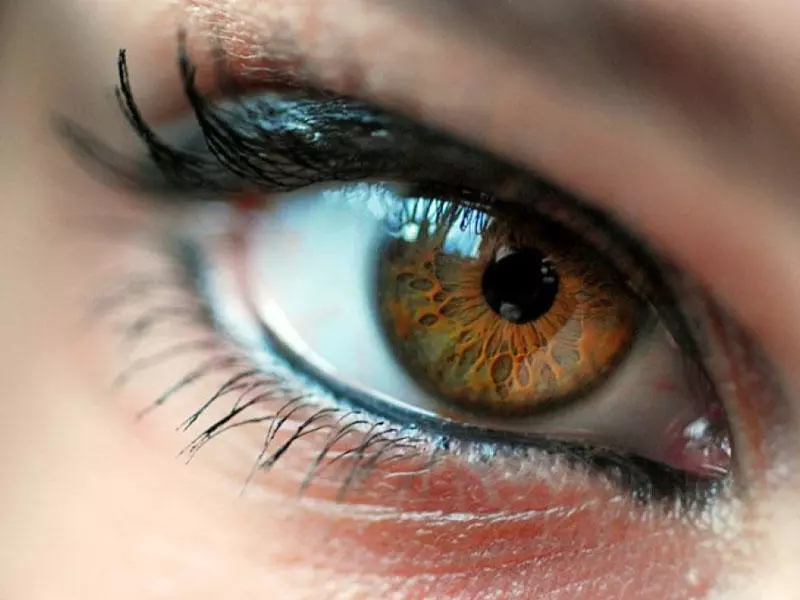
Eye Color Names and Their Meanings
Eye color is determined by the amount and distribution of pigment in the iris layer. This biological process defines both the color and tone of the eyes. While eye color is considered a personal trait, it is also an important indicator of our genetic heritage. It is often associated with personality traits and attracts attention in social interactions.
The significance of eye color is not limited to aesthetics. Various scientific studies suggest that eye color may be associated with certain health conditions and visual sensitivity. For example, individuals with lighter eye colors may be more sensitive to light, while those with darker eyes may adapt better to sunlight. In this sense, eye color can play a role in environmental adaptation.
Another important aspect of eye color lies in its cultural and social influence. Throughout history, different societies have attributed various meanings to eye colors. These meanings have been linked to concepts such as love, passion, wisdom, and mystery. Therefore, eye color can also be considered a part of cultural identity.
Common Eye Colors and Their Meanings
The most common eye colors worldwide are brown, blue, green, hazel, and gray. Each eye color appears in different proportions across regions and carries distinct symbolic meanings. These colors result from a combination of genetic and environmental factors.
Brown Eyes:
The most common eye color. Often associated with strength, loyalty, and determination. Brown-eyed individuals are typically described as reliable and practical.
Blue Eyes:
Common in Scandinavia and Northern Europe. Blue eyes are often linked to openness, creativity, and peace. Individuals with blue eyes are sometimes considered empathetic and sensitive.
Green Eyes:
A rare eye color often associated with mystery, nature, and renewal. Green-eyed individuals are frequently perceived as charismatic and attractive.
Hazel Eyes:
A mix of brown and green tones. Often associated with flexibility and adaptability. Hazel-eyed individuals are commonly described as versatile and adventurous.
Gray Eyes:
Another rare eye color. Often linked to wisdom and deep thinking. Gray-eyed individuals are known for analytical and logical thinking.
The Genetic Foundations of Eye Colors
Eye color is part of our genetic inheritance and is determined by the interaction of multiple genes. These genes control the amount and distribution of melanin in the iris. The most commonly known genes involved are OCA2 and HERC2, although many other genes also influence eye color.
Genetic inheritance comes from combinations passed down from parents and ancestors. While children often inherit one of their parents’ eye colors, this is not always predictable. For example, two brown-eyed parents can have a blue-eyed child due to genetic variation and recessive traits.
The genetic basis of eye color has also been shaped by evolutionary processes. During adaptation to different climates and environmental conditions, certain eye colors may have offered advantages. This helps explain why specific eye colors are more common in certain geographic regions.
Psychological Effects of Eye Colors
Eye color is not only a genetic and aesthetic trait but may also carry psychological implications. People often make assumptions about personality traits and emotional states based on eye color. This can influence social interactions and interpersonal communication.
Some studies suggest that individuals with different eye colors may be associated with certain personality characteristics. For instance, blue-eyed individuals are often perceived as calm and composed, while brown-eyed individuals are seen as warm and friendly. Although such generalizations are not scientifically definitive, they can influence social perception.
Eye color may also affect self-confidence and self-perception. Some individuals believe their eye color gives them a unique charm or attractiveness, which may enhance confidence and social engagement.
Cultural Meanings of Eye Colors
In various cultures, eye colors have been associated with different symbols and meanings. Across history, societies have interpreted eye colors in unique ways, attaching values and symbolism to them.
For example, in some Asian cultures, dark eyes symbolize wisdom and deep thought, while in Western cultures, blue eyes are often associated with innocence and purity. In the Middle East, green eyes are frequently considered mystical and captivating.
Eye colors also appear prominently in literature and art. In novels, poetry, and paintings, eye color is often used to express emotional depth and personality traits, making it a lasting element of cultural heritage.
The Relationship Between Eye Color and Personality
The connection between eye color and personality has long been explored in psychology and sociology. Some studies suggest that eye color may reflect behavioral tendencies, though such claims are not definitive.
Brown-eyed individuals are often described as trustworthy and determined, frequently associated with leadership qualities. Blue-eyed individuals are perceived as emotional and empathetic, known for creativity and innovation.
Green-eyed individuals are often seen as mysterious and passionate, while hazel-eyed individuals are considered adaptable and flexible. Gray-eyed individuals are commonly associated with analytical thinking and rational approaches.
However, personality is shaped by many factors, and eye color alone is not a determining element.
Interesting Facts About Eye Colors
There are many fascinating facts about eye colors that highlight their biological and cultural significance:
Rare Eye Colors:
Green is considered one of the rarest eye colors, found in only about 2% of the global population. It is more common in regions such as Ireland and Scotland.
Eye Color Can Change Over Time:
Most babies are born with blue eyes, but as melanin production increases, eye color may darken. Many babies eventually develop brown or hazel eyes.
The Evolution of Eye Color:
Eye color has evolved over time. Lighter eye colors are more common in northern latitudes, where light conditions differ. This may have provided adaptive advantages in low-light environments.
These facts demonstrate that eye color is not just a genetic trait but also a result of historical and evolutionary processes.
Eye Colors and Fashion: Which Colors Match?
Eye color also plays an important role in fashion. Dressing according to your eye color can enhance your overall appearance. The right colors can highlight the natural beauty of your eyes.
For Brown Eyes:
Earth tones, olive green, and gold enhance the warmth and depth of brown eyes.
For Blue Eyes:
Sea blue, gray, and lavender tones complement blue eyes and make them appear brighter.
For Green Eyes:
Contrasting colors such as red, purple, and emerald green make green eyes stand out even more.
Choosing colors that complement your eye shade can strengthen your personal style and create a striking impression.
 Call
Call
 Whatsapp