
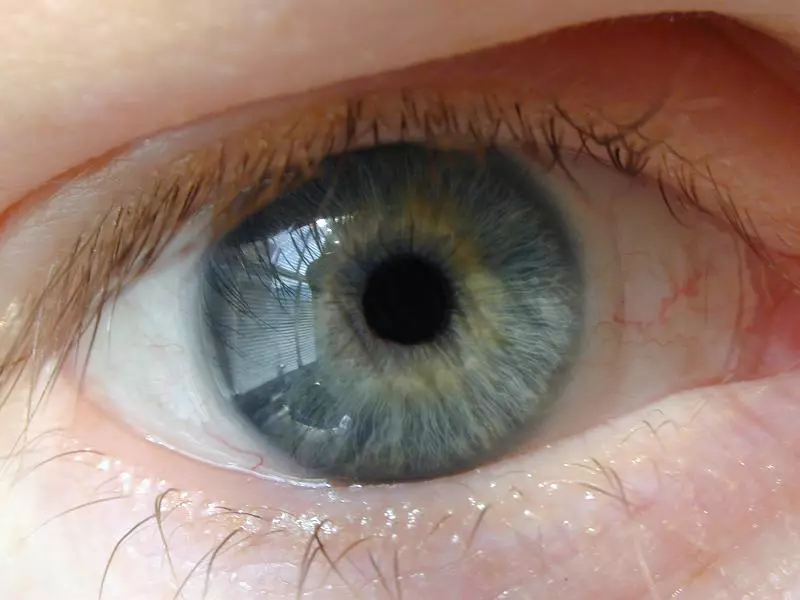
Eye Color Names
Eye colors are a characteristic determined by the color of the iris and influenced by genetic factors. Different eye colors can be seen among individuals, and these colors are generally shaped by parental genetic inheritance. The primary eye colors are brown, blue, and green. However, various shades and combinations of these main colors also exist.
The formation of eye color depends on the amount and distribution of melanin pigment in the iris. Melanin is the same pigment responsible for skin and hair color. As the amount of melanin in the eye increases, the eye color becomes darker. For this reason, brown eyes are the most common eye color due to their high melanin content.
In addition to genetic factors, environmental influences may also affect eye color. Especially during infancy, eye color may change over time. Babies are often born with blue or gray eyes, and as melanin production increases, their eye color settles into its permanent shade. This process is typically completed within the first years of life.
Eye Color Names and Their Meanings
Eye color names carry different meanings across cultures and regions. For example, brown eyes are often associated with warmth and reliability, while blue eyes are seen as symbols of coolness and mystery. Green eyes, due to their rarity, are frequently linked to attractiveness and uniqueness.
Brown Eyes: Associated with strength and reliability. They are the most common eye color worldwide.
Blue Eyes: Characteristic of colder climates and northern regions. Often associated with calmness, serenity, and sometimes mystery.
Green Eyes: Notable for their rarity. Commonly linked to creativity and vibrancy.
Hazel Eyes: A blend of brown, green, and sometimes blue tones. May represent a dynamic and changeable personality.
The meanings attributed to eye colors may vary from person to person and culture to culture. However, eye color is often considered a reflection of personality.
The Formation of Eye Colors
The formation of eye color is closely related to genetic factors and the distribution of melanin pigment. Melanin in the iris determines how dark the eye color appears. Higher melanin levels generally result in darker eye colors, such as brown.
Genetics play a major role in determining eye color. An individual’s eye color is shaped by the genetic material inherited from their parents. Two primary genes involved in eye color determination are OCA2 and HERC2. These genes are particularly critical in the formation of blue and brown eye colors.
After birth, babies’ eye color is often blue or gray. Over time, as melanin production increases, the eye color changes and becomes permanent. This process usually takes place during infancy and may take several years to fully stabilize.
Eye Colors and Personality Analysis
Eye colors are sometimes associated with personality traits in various analyses. Some studies attempt to establish a relationship between eye color and specific personality characteristics. For example, brown eyes are often linked to reliability and leadership qualities, while blue eyes are associated with calmness and emotional depth.
Brown Eyes: Studies suggest that individuals with brown eyes may be perceived as more trustworthy and capable of leadership. They are also believed to perform well in social interactions and easily gain trust.
Blue Eyes: People with blue eyes are often described as more emotional and empathetic. Blue eyes are also frequently associated with calmness and peace.
Green Eyes: Individuals with green eyes are often portrayed as creative and adventurous. The rarity of this eye color enhances the perception of uniqueness.
Although the connection between personality and eye color has not been scientifically proven in a definitive way, such analyses continue to attract interest in popular culture.
Eye Color Change Methods in Ankara
Eye color change is often preferred for aesthetic reasons. In large cities such as Ankara, various methods are available. These methods are generally divided into non-surgical and surgical procedures.
Colored Contact Lenses: One of the most common and convenient methods. Colored lenses temporarily change eye color and offer different shade options. Since lens use does not require surgery, it is considered a practical solution.
Laser Eye Color Change: A method that has gained popularity in recent years. This procedure aims to lighten eye color by reducing the amount of melanin in the iris. It generally offers permanent results but may be costly.
Surgical Methods: Surgical procedures performed to change eye color are more invasive and usually provide permanent outcomes. However, such procedures can involve risks and require careful evaluation.
Each method should be evaluated according to individual needs and expectations. Seeking professional advice is essential for protecting eye health.
Contact Lens Use and Eye Colors
Contact lens use is a popular option for those who wish to temporarily change their eye color. Colored lenses are available in various shades and patterns, offering users a wide selection. These lenses not only change eye color but also enhance aesthetic appearance.
Colored lenses are produced from materials suitable for daily use and designed to be safe for eye health. However, certain precautions must be taken. Lenses must be kept clean and stored properly. Additionally, they should not be used beyond the recommended duration.
Using colored lenses is an easy and effective way to achieve an aesthetic change without compromising eye health. Nevertheless, consulting an eye doctor before using lenses and receiving professional guidance in selecting the appropriate type is important. This helps prevent potential complications and ensures a more comfortable experience.
The Laser Eye Color Change Process
Laser eye color change is an innovative method made possible by modern technology and typically offers permanent results. The procedure aims to lighten eye color by reducing the amount of melanin pigment in the iris. As a result, lighter eye shades are usually achieved.
The process generally requires several sessions, each lasting a short time. A specialized laser that does not damage the eye structure is used during the procedure. However, like any medical intervention, it carries certain risks. Dryness, irritation, or more serious complications may occur, although they are rare.
If considering an eye color change procedure, it is important to choose a reputable and experienced clinic. The expertise of the specialist performing the procedure should also be taken into account. Comprehensive eye examinations before and after the procedure help minimize potential risks.
 Call
Call
 Whatsapp