
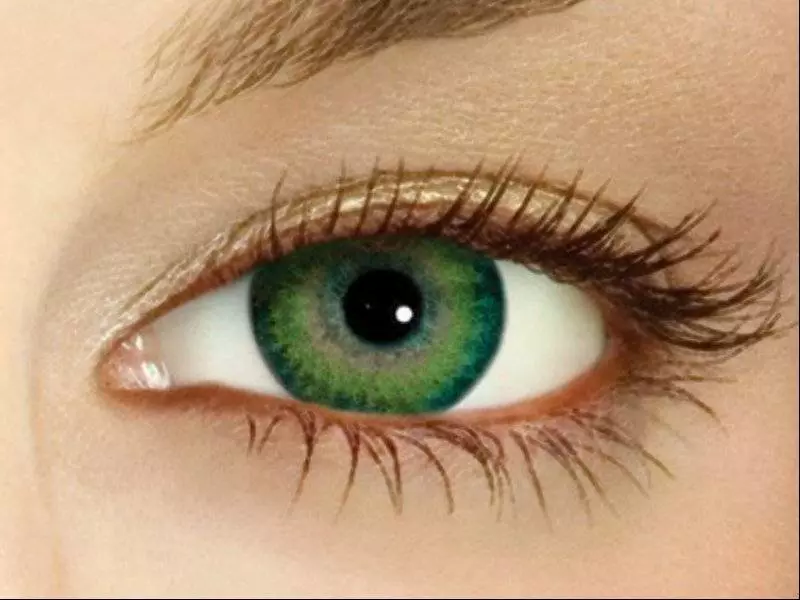
Eye Color List
Eye colors are shaped by genetic factors and environmental influences. The main pigment that determines eye color is melanin, which creates different shades depending on its level. Here is a list of eye colors commonly found worldwide: brown, blue, green, hazel, and gray. Each of these colors appears as a result of different genetic combinations and melanin densities.
Brown eyes are the most common worldwide. A high amount of melanin gives the eyes a darker tone. Blue eyes, on the other hand, occur due to low melanin levels, which cause light to scatter more. This eye color is particularly common in Northern Europe. Green eyes are rarer and form through a combination of blue and brown pigments.
Hazel eyes are a mixture of brown and green and may appear to change depending on lighting conditions. Gray eyes are similar to blue eyes in terms of low melanin levels but can display different shades. Each eye color adds a unique beauty and meaning to an individual, making the eye color list quite diverse.
Eye Color List: Most Common Eye Colors in Turkey
In Turkey, brown is the most common eye color. The high concentration of melanin pigment makes this eye color dominant across the country. However, due to the historical mixing of different ethnic groups in various regions of Turkey, other eye colors can also be observed.
Blue and green eyes are more frequently seen in the Black Sea and Marmara regions. Historical migrations and genetic diversity in these areas have contributed to the presence of lighter eye colors. Turkey’s cultural diversity creates a rich mosaic in terms of eye colors as well.
Hazel eyes are also present at a noticeable rate in the country. They can particularly be seen in the Central Anatolia and Aegean regions. The distribution of eye colors in Turkey reflects the country’s historical and cultural richness and highlights the uniqueness of each individual.
Eye Colors in Ankara: Local Characteristics and Differences
Eye colors in Ankara largely reflect the general distribution across Turkey. Brown eyes are the most common in the capital as well. However, since Ankara is home to people from various ethnic backgrounds, different eye colors can also be found.
Blue and green eyes are less common in Ankara but still noticeable. Universities and job opportunities attract people from different regions to the city, contributing to diversity in eye color. This variety can especially be observed among the younger population.
Hazel eyes are relatively common in Ankara and may display different shades depending on how light reflects. Eye color distribution in Ankara reflects both the national pattern and the demographic mobility of the city, highlighting its cosmopolitan structure.
Laser Eye Color Change: What You Should Know About the Procedure
For individuals who wish to change their eye color, laser eye color change offers a modern option. This procedure aims to lighten the eye color by reducing pigment in the iris layer. However, it is important to be informed about the potential risks and outcomes of such a procedure.
Laser eye color change is generally preferred for aesthetic reasons. However, it may not be suitable for everyone. Eye health must be carefully evaluated before the procedure. It is also important to understand the recovery process and possible complications.
Although this procedure can provide a permanent change in eye color, it is not recommended for everyone. Consulting a specialist before making a decision is essential to avoid compromising eye health. It is also worth remembering that your eye color is unique and part of your identity.
Eye Color List: Genetic Factors and Formation of Eye Colors
Genetic factors play a significant role in the formation of eye colors. Genes inherited from parents determine a child’s eye color. Eye color is generally shaped by the amount of two main pigments: melanin and lipochrome. These genetic factors also influence how eye color may vary across generations.
Since brown eye color is genetically dominant, two brown-eyed parents are more likely to have a brown-eyed child. However, due to genetic diversity, children with blue or green eyes may also be born. The complex structure of eye color genes allows for this variation and explains why different eye colors can appear within the same family.
Eye color genetics is not determined by a single gene. The interaction of multiple genes plays a role in determining eye color. Therefore, eye color predictions are not always certain. Genetic factors are only one part of the process and should be considered together with environmental influences.
Eye Color List: Psychological Meanings of Different Eye Colors
In various cultures, eye colors carry different meanings and are sometimes associated with personality traits. Brown eyes are often linked to reliability and determination. This color is considered a symbol of warmth and strong character.
Blue eyes are commonly associated with calmness and peace. Individuals with blue eyes are often described as empathetic and sensitive. Green eyes symbolize mystery and creativity, and people with green eyes are often perceived as innovative and unique.
Hazel eyes represent versatility and flexibility. Individuals with this eye color are often known for their adaptability. Exploring the psychological meanings of eye colors can be an interesting starting point for self-reflection. However, it is important to remember that eye color does not define who you are, and every individual is unique.
Eye Color Change Options in Ankara
In Ankara, there are various options available for eye color change procedures. For those who wish to change their eye color for aesthetic reasons, laser eye color change is one of the commonly researched methods.
Eye clinics in Ankara prioritize eye health and provide personalized evaluations. Before undergoing an eye color change procedure, a comprehensive eye examination is conducted to assess suitability. Post-procedure care and follow-up are important parts of the process.
If you are considering changing your eye color, consulting specialists in Ankara can help you understand your options. Eye health should always come before aesthetic concerns, and all possibilities should be carefully evaluated before making a decision.
 Call
Call
 Whatsapp