


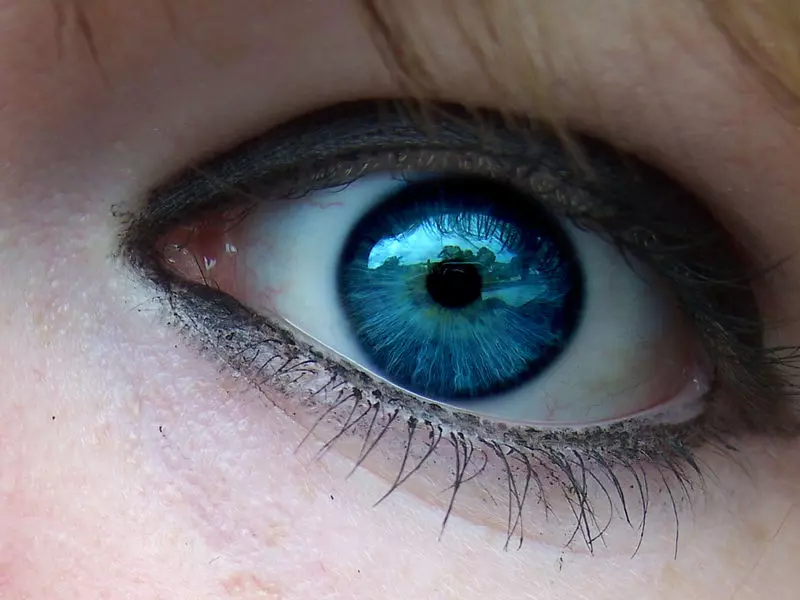
One of the most common questions after laser eye color change is how long it takes for the color to change. The process usually does not happen suddenly; instead, it develops gradually over several weeks. The change occurs as melanin pigment in the iris decreases over time. Understanding this natural progression and being patient is an important part of the treatment journey.
What to Expect in the First Days
In the first days after the procedure, a noticeable change in eye color may not be visible. This period represents the early stage of the biological process initiated by the laser. While some individuals may observe slight tone differences, most people will see little or no immediate change.
During this phase, the eye continues to adapt and recover. Following the specialist’s care recommendations is important to support comfort and healthy healing.
How Does Color Change Begin in the First Weeks?
The first weeks are when pigment reduction slowly becomes visible. As melanin breaks down and is removed through the body’s natural mechanisms, lighter tones begin to appear in the iris. This transition usually occurs gradually, creating a natural-looking change.
Some individuals notice lightening earlier, while others experience a slower process. This variation depends mainly on iris structure and pigment density.
Why Does the Color Change Happen Gradually?
The main reason for gradual color change is that pigment reduction occurs over time rather than instantly. The body’s natural clearing mechanisms work at a steady pace, helping preserve the healthy structure of the eye. A slower transition also supports a more natural and balanced appearance.
For this reason, it is important not to expect immediate final results after the procedure.
When Does the Final Eye Color Appear?
The final color typically becomes clearer within several weeks to a few months. The timeline varies from person to person. Individuals with higher pigment density may experience a longer transition, while those with more superficial pigment may notice results earlier.
The final appearance is determined by the individual’s natural iris structure. The goal is not to create an artificial color but to reveal a naturally lighter tone within the eye’s existing anatomy.
Factors That Influence the Process
Several factors affect the speed and outcome of color lightening. These include pigment density, genetics, iris thickness, and individual healing response. A detailed pre-treatment evaluation helps predict how the process may progress.
Because of these variables, each person’s experience and results are unique.
The eye color lightening process after laser treatment is gradual, progressing step by step from the first days to the final result. Visible changes may be minimal at first, but lighter tones begin to appear as pigment decreases over time. The final outcome may take weeks or months and varies from person to person.
Proper guidance, patience, and specialist follow-up are essential for achieving a safe and natural-looking result.