
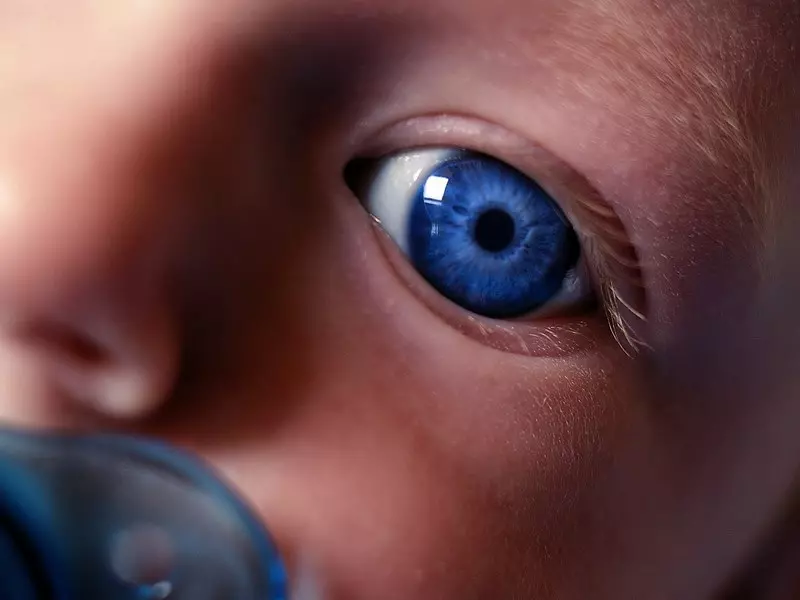
Eye Color in Babies
A baby’s eye color is a topic of curiosity for many parents. Newborn babies usually have blue or gray-toned eyes. This is because the color pigments in the eye have not yet fully developed. Over time, these pigments become more defined, and the baby’s true eye color emerges.
Eye color is generally determined by a child’s genetic makeup. The eye colors of the mother and father can significantly influence the baby’s eye color. However, in some cases, a completely different color may appear compared to other family members. This reflects the complexity of genetic variations and eye pigmentation.
Eye color is not only an aesthetic feature but also a part of a person’s identity. A baby’s eye color may even influence how they perceive the world and interact with their environment. For this reason, many parents eagerly anticipate their baby’s eye color.
Factors Affecting Eye Color in Babies
The most important factor determining eye color is genetics. The genetic material inherited from the parents has a direct effect on the baby’s eye color. However, this genetic influence is complex and not always predictable. Each parent carries two genetic codes related to eye color, and these determine the baby’s final eye color.
Light can also influence a baby’s eye color. As newborns adjust to the light in their environment during the first few months, their eye color may change. This process helps the eyes adapt to different lighting conditions. Therefore, a baby’s eye color can change over time and usually becomes more defined after a few months.
Another factor affecting eye color is melanin levels. Melanin is the substance that determines the level of pigmentation in the eye. As melanin increases, the eye color becomes darker. For example, high melanin levels lead to brown or black eyes, while low melanin levels result in blue or green eyes.
Formation of Contact Lens Eye Colors
Another topic related to eye color changes is colored contact lenses. Lenses offer an option for those who want to temporarily change their eye color. These lenses cover the natural eye color and highlight a different shade. However, there are important considerations when using lenses.
Proper use of lenses is extremely important for eye health. Incorrect use may lead to infections or irritation. Therefore, it is essential to consult a specialist before using lenses and to choose the correct type. Additionally, attention should be paid to lens hygiene and cleanliness.
Lenses are not only used for aesthetic purposes but also for vision correction. Colored lenses can both change eye color and correct vision problems. These lenses provide users with both improved vision and an enhanced aesthetic appearance.
Eye Color Changes in Babies
A baby’s eye color begins to change from birth. The first six months are when the most noticeable changes occur. During this period, changes in eye color are usually associated with an increase in melanin production. As melanin increases, the eye color may darken.
Another reason for these changes is environmental factors. As babies’ eyes adapt to light and surroundings, variations in color may occur. For example, eyes exposed to more light may develop a darker tone. Therefore, a baby’s eye color may change several times before reaching its final form.
Changes in eye color typically continue until around one year of age. However, in some cases, these changes may last longer. Genetic factors play a major role in determining when eye color stabilizes. Each baby’s eye color development process is unique and completely normal.
Different Eye Colors and Their Meanings
Eye colors are not only aesthetic but are also often associated with personality traits. For example, brown eyes are commonly linked with reliability and warmth, while blue eyes are associated with calmness and serenity. Each eye color has its own unique charm and meaning.
Green eyes are often considered mysterious and attractive. Because this color is rare, many people find it unique and intriguing. Individuals with green eyes are often described as creative and original, which adds to their appeal.
Gray eyes are often associated with wisdom and deep thinking. People with gray eyes are known for their analytical abilities and calm nature. Although not as common as other colors, gray eyes stand out due to their distinctive meaning and aesthetic value.
Genetic Structure of Eye Colors
The genetic structure of eye color is a complex process involving the interaction of multiple genes. Eye color depends mainly on two pigments: melanin and lipochrome. The more melanin present, the darker the eye color. Conversely, less melanin results in lighter eye colors.
According to genetic science, the combination of genes from both parents determines a baby’s eye color. Each parent carries two alleles, which influence the child’s eye color. The interaction between dominant and recessive genes determines the final outcome. Therefore, eye color can sometimes appear unpredictable.
Genetic factors also explain the variation in eye color. Individuals from the same family may have different eye colors. This is due to genetic variation and different allele combinations. Genetic diversity increases the variety of eye colors and gives each individual a unique appearance.
Contact Lens Color Options and Usage
Contact lens color options vary according to personal preferences and needs. Colored lenses are an excellent choice for those who want to change or enhance their natural eye color. These lenses are available in various shades and suit different styles.
Lens use is safe and effective when certain rules are followed. Proper insertion, cleaning, and storage of lenses are crucial for eye health. If any discomfort or signs of infection occur, a specialist should be consulted immediately.
The use of colored lenses is not limited to aesthetic purposes. They can also be used to correct vision problems. These lenses provide both visual improvement and an enhanced appearance. It is important to remember that careful use is essential when wearing lenses.
 Call
Call
 Whatsapp