
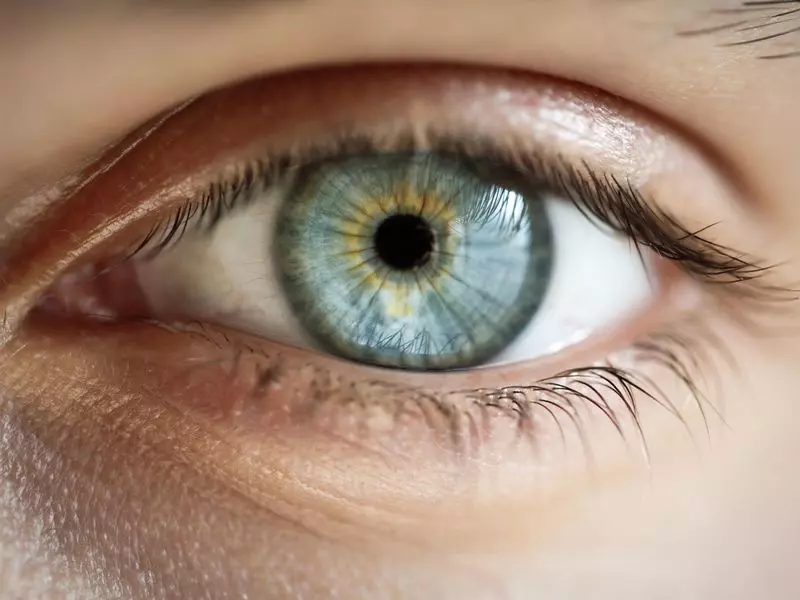
Eye Color Formation
Eyes are not only organs of vision but also powerful features that reflect a person’s character and emotions. Eye color is considered a personal trait for many people, and how it forms is a subject of great curiosity. Eye color formation occurs through the interaction of various genetic and biological factors. In this article, we will explore the foundations of eye color formation, including its genetic structure, the role of melanin, and the influence of environmental factors.
The Basics of Eye Color Formation
Eye color formation is a complex part of human biology. The main factor is the amount and type of pigments in the colored part of the eye called the iris. The color of the iris depends on the density of a pigment called melanin. As melanin levels increase, eye color becomes darker.
Genetic factors are also highly important in determining eye color. Genes control melanin production and distribution. Therefore, a person’s eye color is typically a combination of genes inherited from their parents. However, individuals within the same family may have different eye colors.
Eye colors vary across populations and geographic regions. For example, blue and green eyes are more common in Europe, while brown eyes are more prevalent in Asia and Africa. This diversity can be explained by genetic variations and historical migrations.
The Genetic Structure of Eye Colors
Genetics plays a central role in determining eye color. Eye color results from the interaction of multiple genes. In particular, the OCA2 and HERC2 genes are significant in eye color formation. The OCA2 gene produces a protein that influences iris pigmentation, determining whether eye color appears lighter or darker.
Genetic structure consists of gene variants called alleles and their combinations. Individuals inherit one allele from each parent for every gene. Different allele combinations can result in different eye colors. For example, if a person inherits both blue and brown eye alleles, brown is usually dominant, resulting in brown eyes.
Research shows that eye color is not controlled by just one or two genes but rather by a complex interaction of many genes. This explains why siblings can have different eye colors.
The Role of Melanin in Eye Color Formation
Melanin is the primary pigment that determines eye color, and it has two types: eumelanin (brown-black pigment) and pheomelanin (red-yellow pigment). As eumelanin levels increase, eye color becomes darker. Brown eyes contain high amounts of eumelanin, while blue eyes contain much less.
Melanin also influences skin and hair color and provides protection against ultraviolet (UV) radiation. Higher melanin levels in the eyes offer better protection against harmful sunlight. This is why individuals with darker eyes may experience less discomfort in bright sunlight.
While melanin production is genetically controlled, environmental factors may influence its levels slightly. For example, prolonged exposure to sunlight may increase melanin production, potentially causing subtle changes in eye appearance.
Different Eye Colors and Their Characteristics
Eye colors are generally classified as brown, blue, green, hazel, and gray. Each color emerges from different genetic combinations and melanin levels.
Brown eyes are the most common worldwide and are characterized by high melanin content.
Blue eyes are especially common among individuals of European descent. Their appearance is due to lower melanin levels and the way light scatters within the iris.
Green eyes are rare and typically contain low to moderate melanin. They result from a combination of blue structural coloring and yellow pigments.
Hazel eyes are a mix of brown and green tones and may appear to change depending on lighting conditions.
Why Does Eye Color Change?
Although eye color is generally stable, some changes may occur throughout life. Babies are often born with blue eyes, but as melanin production increases, their eye color may change. This process usually begins within the first six months and can continue for several years.
In adults, eye color change is less common but can occur due to hormonal changes, certain medical conditions, or medications.
Aging may also reduce iris pigmentation, making eye color appear lighter. These changes are usually subtle but can be noticeable in some individuals.
Eye Color and Personality
The relationship between eye color and personality has long attracted attention. Some studies suggest possible links between eye color and personality traits. For example, blue-eyed individuals are sometimes described as more introverted and thoughtful, while brown-eyed individuals are often seen as more outgoing and social.
However, these associations are largely observational and not scientifically definitive. Eye color is a genetic trait and does not directly determine personality.
More research is needed to fully understand any potential connection, as personality is influenced by many complex factors beyond physical traits.
Environmental Factors Affecting Eye Color Formation
While genetics plays the primary role, environmental factors can occasionally influence eye color appearance. Light exposure and UV radiation may impact melanin levels slightly. Long-term sun exposure may cause eyes to appear darker.
Nutrition and overall health can also contribute to eye health. A diet rich in antioxidants may help maintain healthy eyes.
Stress, hormonal changes, and certain medical treatments may cause temporary changes in eye appearance. These changes are typically not permanent.
Eye Color and Health
Eye color may be associated with certain health factors. Brown eyes, with higher melanin levels, provide better UV protection. Lighter eyes, such as blue and green, contain less melanin and may be more sensitive to bright light.
Some studies suggest that lighter eye colors may carry a slightly higher risk for certain eye conditions, although this does not mean a direct cause-and-effect relationship.
Regardless of eye color, regular eye examinations are essential for maintaining eye health.
Frequently Asked Questions About Eye Color Formation
Why Does Eye Color Change?
Eye color is determined by genetic and environmental factors. In babies, eye color may change after birth due to increasing melanin production. In adults, changes are rare and may result from aging, hormonal shifts, or medical conditions.
Is It Possible to Have Two Different Eye Colors?
Yes. This condition is called heterochromia and is rare. It can result in two different eye colors or different color segments within one eye. It may be caused by genetics, injury, or medical conditions.
Is Eye Color Permanent?
Eye color is largely permanent and typically remains stable throughout life. However, certain environmental or medical factors may cause temporary changes, which are usually mild and not permanent.
 Call
Call
 Whatsapp