
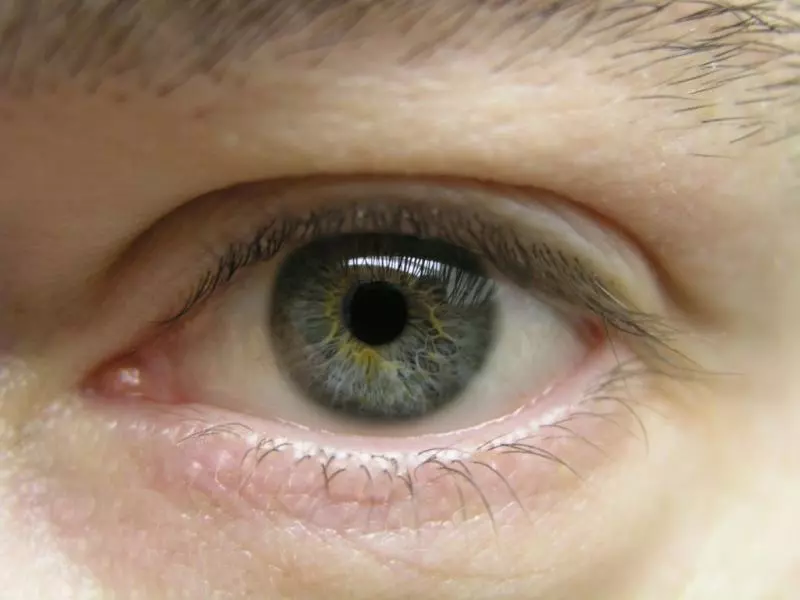
Eye Color Distribution
Eye color distribution refers to statistical data that measure the spread of different eye colors among people around the world. These rates vary between societies and geographic regions. The distribution of eye colors is shaped by many factors, including genetic inheritance and environmental influences. Eye color can appear in various shades such as blue, green, and brown, depending on the intensity and distribution of the pigment melanin.
The determination of eye color is linked to specific genetic sequences in an individual’s DNA. These genetic patterns are passed from parents to children, which is why similarities in eye color are often observed within families. Eye color distribution is an important area of research in genetic studies and population genetics, providing valuable insights into human genetics and evolution.
Today, research on eye color distribution helps us learn more about individuals’ origins and genetic diversity. Such information is also critical in medical research, especially when studying the genetic predisposition to certain eye-related diseases.
The Importance of Eye Color Distribution
The importance of eye color distribution goes beyond aesthetic or personal traits. These statistics hold significant value for scientific research, as well as social and cultural identity. Throughout history, eye color has sometimes been considered a symbol of identity in various societies and is therefore often studied in cultural research.
From a scientific perspective, eye color distribution plays a key role in genetic research and understanding the evolutionary history of human populations. The distribution of eye colors across different regions can provide clues about migration routes and historical events. Such studies help researchers develop a deeper understanding of human genetics and biological diversity.
Additionally, eye color and its distribution may also be important from a medical perspective. Certain eye colors may be associated with higher susceptibility to specific eye conditions or diseases. Therefore, studies on eye color distribution may provide valuable insights into eye health and genetic disorders.
Different Eye Colors and Their Distribution
The most common eye color worldwide is brown. Brown eyes are especially widespread in Asia, Africa, and South America. This prevalence is due to the higher concentration of melanin pigment, which also provides protection against strong sunlight in these regions. The dominance of brown-eye genes contributes to their high frequency among the global population.
Blue eyes are most commonly found in Northern European countries. The lower melanin levels in these populations contribute to the higher occurrence of blue eyes. Since blue-eye genes are genetically less dominant, this eye color is generally less common worldwide. However, genetic variations and mutations can cause blue eyes to appear in other regions as well.
Green eyes are among the rarest eye colors globally. They are more frequently observed in certain parts of Europe and typically result from lower melanin levels combined with the way light is scattered within the eye. The rarity of green eyes makes them particularly striking and distinctive. Research on eye color distribution helps scientists better understand the genetic origins of such rare eye colors.
Factors That Determine Eye Color Distribution
Several factors influence eye color distribution, including genetic inheritance, environmental influences, and genetic mutations. Genetic inheritance determines eye color through genes passed from parents to children. The main genes involved regulate the production and distribution of melanin pigment.
Environmental factors may also influence eye color distribution. For example, exposure to sunlight can affect melanin production and may lead to slight changes in eye pigmentation over time. In regions with stronger sunlight, it is common for populations to have higher melanin levels, which offer greater protection for the eyes.
Genetic mutations also contribute to the diversity of eye color distribution. Mutations may cause variations in melanin production or distribution, resulting in unexpected eye colors. These genetic changes help scientists understand how eye colors have evolved and diversified over time.
Eye Color Distribution and Genetics
Eye color distribution is an important component of genetic science. Eye color results from the interaction of several genes and is associated with specific genetic variants. These variants regulate the amount and distribution of melanin pigment in the eye.
Genetic research helps scientists better understand eye color distribution and how certain eye colors become inherited across generations. In particular, studies on the genetic structure of blue and green eyes explain why these colors are less dominant and therefore rarer. These findings provide a broader perspective on human genetics and evolution.
In conclusion, the relationship between eye color distribution and genetics helps us understand not only physical traits but also the genetic diversity and evolutionary history of human populations. This knowledge is highly valuable in both scientific and medical research.
 Call
Call
 Whatsapp