
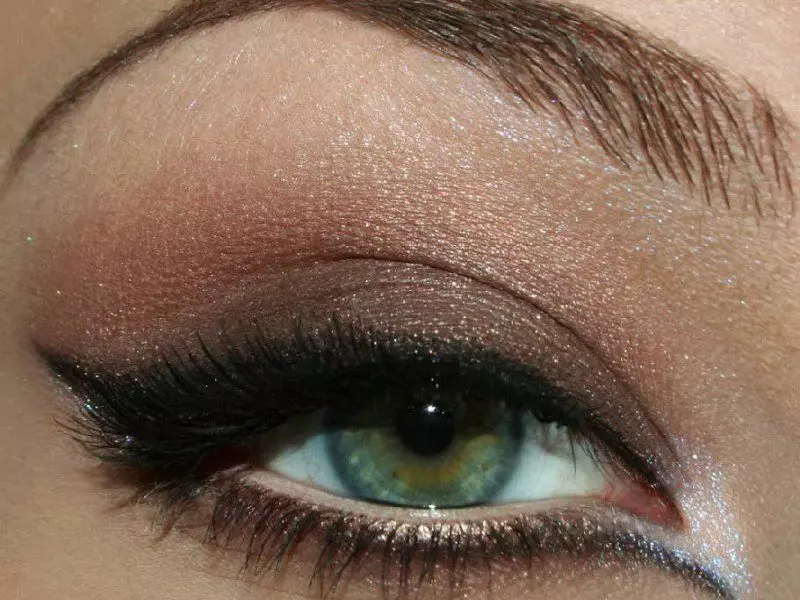
Eye Color Analysis
Eye color analysis is a field that examines the specific characteristics of an individual’s eye color. This analysis generally evaluates the genetic, psychological, and sociocultural influences of eye color. Eye color not only reflects a person’s genetic structure but may also influence personality traits and social interactions.
Eye color analysis uses various methods to determine eye color. These include genetic testing, eye examinations, and spectral analysis. In determining eye color, pigmentation in the iris and the interaction of light with that pigmentation play a key role.
This analysis also holds significance in personal development and psychology. Eye color can influence how individuals perceive themselves and others. Therefore, eye color analysis may help individuals better understand themselves and improve their social relationships.
Psychological Effects of Eye Colors
The psychological effects of eye color can shape perceptions and emotional responses. Some studies suggest that blue-eyed individuals may appear calmer and more composed, while brown-eyed individuals may be perceived as more energetic and outgoing. Although such generalizations are not universally accurate, eye color may influence social perception.
These effects may also be linked to social experiences developed during childhood. Individuals with certain eye colors may be perceived differently in society, which can influence how they view themselves and others. Expectations and comments related to eye color may indirectly affect personal development.
Eye color can also influence aesthetic perception. People may find certain eye colors more attractive than others, which can impact self-confidence and social behavior. The psychological influence of eye color is complex and intertwined with personal experiences and cultural norms.
The Relationship Between Eye Color and Personality
The connection between eye color and personality has long been a topic of interest in research. Whether eye color influences or reflects personality traits is discussed in both scientific studies and popular culture.
For example, blue-eyed individuals are sometimes described as more introverted and analytical, while brown-eyed individuals are perceived as more extroverted and social. Green-eyed individuals may be associated with creativity and spontaneity. While these generalizations do not apply to everyone, they offer insight into how eye color may shape perception.
When considered alongside personality analysis, eye color may help individuals better understand themselves and others. However, personality is influenced by many genetic and environmental factors, and eye color alone is not a determining factor.
Genetic Foundations of Eye Colors
Eye color is largely determined by genetic factors. The pigmentation of the iris is influenced by melanin. The amount and distribution of melanin determine whether eyes appear blue, green, brown, or another shade.
Scientific research shows that multiple genes contribute to eye color variation. The OCA2 and HERC2 genes play significant roles in regulating melanin production and distribution. Genetic inheritance explains similarities in eye color among family members.
Beyond biology, eye color also carries cultural meanings. In different societies, specific eye colors may be valued differently, making eye color not only a biological feature but also a social and cultural phenomenon.
Characteristics of Different Eye Colors
Each eye color carries unique associations shaped by genetic, psychological, and sociocultural perspectives.
Blue Eyes:
Often associated with calmness and introspection. Individuals may be perceived as analytical and thoughtful.
Green Eyes:
Rare and often linked to mystery and attractiveness. Creativity and spontaneity are commonly associated traits.
Brown Eyes:
The most common eye color worldwide. Often associated with reliability, warmth, and sociability.
Hazel Eyes:
A blend of brown and green tones. Often connected to adaptability and flexibility.
Eye color may influence how individuals express themselves and how they are perceived by others. Therefore, eye color analysis reflects not only biology but also social and emotional dimensions.
Eye Colors and Fashion
Eye color plays an important role in fashion. Designers and makeup artists often use techniques to highlight specific eye colors. The right color palettes, clothing choices, and makeup techniques can enhance a person’s overall appearance.
For example:
-
Blue eyes can be emphasized with orange and bronze tones.
-
Green eyes pair well with purple and lilac shades.
-
Brown eyes are versatile and complement a wide range of colors.
Eye color is not only an aesthetic feature but also a style element. By selecting fashion and makeup choices that complement their eye color, individuals can create a distinctive personal style.
Methods of Eye Color Analysis
Various methods are used in eye color analysis across scientific and aesthetic fields.
Genetic Testing:
Used to examine the genetic structure that determines eye color by identifying specific gene variants.
Spectral Analysis:
Analyzes pigmentation and light reflection on the iris to identify tone variations.
Photographic Analysis:
Uses high-resolution imagery to evaluate eye color from an aesthetic perspective, particularly in fashion and beauty contexts.
These methods provide comprehensive insights into eye color and help individuals better understand their physical and aesthetic characteristics.
Tools Used in Eye Color Analysis
Several tools are used for both scientific and aesthetic evaluation:
Genetic Analysis Kits:
Used to study DNA and identify genetic factors influencing eye color.
Light Spectrophotometers:
Measure spectral properties and pigmentation patterns in the iris.
Digital Photography Equipment:
High-resolution cameras and editing software help assess eye color in aesthetic applications.
Through these tools, eye color analysis can be conducted with greater precision. Ultimately, eye color analysis contributes to a deeper understanding of both biological traits and social perception.
 Call
Call
 Whatsapp