


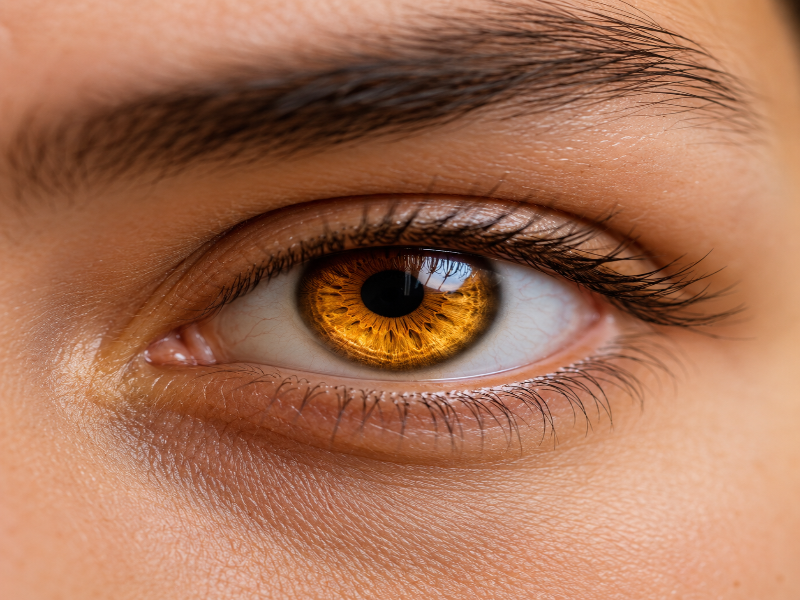
The examination process in Lumineyes treatment includes a detailed evaluation of the person’s eye structure, iris characteristics, pigment density, and general eye health. lumineyes is researched as one of the laser-assisted methods that aim to create a change in eye color toward lighter tones. However, this procedure may not be suitable for everyone. Therefore, before the procedure, eye pressure, corneal structure, iris tissue, existing eye diseases, expectations, and the post-procedure follow-up process should be carefully evaluated by a specialist.
Why Is the Examination Process Important in Lumineyes Treatment?
The examination process in Lumineyes treatment is one of the most important stages in planning the procedure. In laser-assisted methods researched for eye color change or eye color lightening, making a decision based only on aesthetic expectations is not appropriate. Because of its sensitive structure, the eye is an organ that requires detailed evaluation before any procedure.
The examination process helps determine whether the person is a suitable candidate for this application. Each individual’s eye structure, iris pigment density, corneal thickness, eye pressure, and general health condition are different. These differences may directly affect the procedure plan and possible risk assessment.
Therefore, people researching Lumineyes treatment should undergo a comprehensive eye examination before the procedure. As a result of the examination, the specialist doctor evaluates the person’s eye structure, listens to their expectations, and provides information about how the process may progress.
What Is Lumineyes?
Lumineyes is known as one of the laser-assisted methods that aim to change eye color toward lighter tones. The basic approach in this method is to evaluate melanin pigment density on the iris and to create a procedure plan aimed at reducing the pigment appearance in suitable individuals.
One of the main factors that determines the darkness of eye color is melanin pigment. Darker tones are seen in eyes with high melanin density, while lighter tones may appear as pigment density decreases. Lumineyes is also among the methods researched based on this principle.
However, this procedure is not a standard application that gives the same result for everyone. The person’s current eye color, iris structure, pigment density, and eye health may affect the appearance that can be achieved. Therefore, people who want to get information about lumineyes should undergo specialist evaluation before the procedure.
What Evaluations Are Performed During the First Examination?
The first examination in Lumineyes treatment begins with a general evaluation of the person’s eye health. At this stage, the specialist doctor evaluates the eye structure in detail and tries to understand whether the application is suitable for the person. The examination is not limited only to reviewing eye color; the entire structure of the eye is taken into consideration.
In the first evaluation, eye pressure measurement, corneal structure, iris characteristics, dry eye symptoms, visual defects, and existing eye diseases may be examined. These data are important for creating the procedure plan. Especially some conditions related to eye pressure or the cornea may affect suitability for the procedure.
During the examination, the person’s general health condition may also be included in the evaluation process. Medications used, allergy history, previous eye operations, or chronic conditions should be shared with the specialist. This information helps create a safer and more personalized plan.
How Are Iris Structure and Pigment Density Examined?
In Lumineyes treatment, iris structure and pigment density are important evaluation criteria. The iris is the colored part of the eye and is one of the main structures that determines the appearance of eye color. Therefore, before the procedure, iris tissue should be examined in detail.
Pigment density may affect the level of change that can be achieved in eye color. In dark-colored eyes, melanin density may be higher. This is important in terms of how the procedure process will be planned and how result expectations will be managed. In light or medium-toned eyes, evaluation may be performed differently.
If there is any irregularity, sensitivity, or difference that may create a risk in the iris structure, the specialist takes this into account in the procedure plan. Therefore, iris analysis is an important step not only in terms of aesthetic results but also in terms of eye health.
Eye Pressure and Corneal Evaluation
Eye pressure is one of the important topics in the examination process of Lumineyes treatment. Whether intraocular pressure is within normal limits should be evaluated. Because an existing condition related to eye pressure may affect the suitability of laser-assisted procedures.
Corneal structure is another area that should be carefully examined. Corneal thickness, surface regularity, and general corneal health should be evaluated before the procedure. Some structural conditions related to the cornea may cause the procedure plan to be postponed or require a different evaluation.
These checks are basic steps aimed at protecting eye health. No matter how strong the aesthetic expectation is, a procedure decision should not be made without eye pressure and corneal evaluation. Specialist evaluation allows the process to progress more consciously and in a more controlled manner.
How Is Patient Suitability Determined?
Patient suitability in Lumineyes treatment is not determined only by the person’s desire to change their eye color. Suitability is determined by evaluating eye health, iris structure, pigment density, general health condition, and expectations together. Therefore, a separate evaluation process is required for each patient.
If there is an active eye infection, uncontrolled eye pressure, serious corneal problems, or certain conditions affecting eye health, the procedure may not be considered suitable. Similarly, people with unrealistic expectations from the procedure should be provided with detailed information.
When evaluating patient suitability, whether the person can comply with the post-procedure follow-up process is also important. Because regular check-ups, compliance with care recommendations, and specialist follow-up are important parts of laser-assisted eye color applications.
Why Is Expectation Analysis Necessary?
Expectation analysis in Lumineyes treatment is one of the basic parts of the examination process. Which eye color the person wants to achieve, what kind of appearance they expect, and how much change they expect from the procedure should be evaluated by the specialist. This evaluation is important for creating a realistic procedure plan.
It may not be possible to achieve the same color tone in every individual. Existing eye color, melanin density, and iris structure may affect the results. Therefore, clear information about targeted tones should be provided before the procedure. The person should know that the process may progress gradually and results may vary from person to person.
Realistic expectations are of great importance for satisfaction after the procedure. If expectations are not managed correctly, the person may not be satisfied with the appearance achieved. Therefore, open communication with the specialist should be established, and all questions should be answered before the procedure.
How Is a Session Plan Created After Examination?
If the person is evaluated as suitable for the procedure after the examination, a personalized session plan can be created. The session plan is prepared according to eye structure, pigment density, targeted appearance, and specialist evaluation. The same number of sessions or the same procedure interval should not be expected for every individual.
It is important for the eye to rest and be monitored by the specialist between sessions. During this process, eye health should be protected, possible sensitivities should be evaluated, and the post-procedure response should be observed. The session plan may be updated according to this follow-up process.
The person should comply with the session plan, not neglect control appointments, and pay attention to specialist recommendations. This approach helps the process progress more regularly and consciously.
Pre-Procedure Information Process
One of the important stages of the examination process in Lumineyes treatment is pre-procedure information. The specialist doctor should explain in detail how the application will be planned, possible risks, limitations, follow-up requirements, and the points to consider after the procedure.
This information process is important for the person to make an informed decision. In aesthetic procedures, not only the expected appearance but also the limits of the procedure and possible side effects should be evaluated. This information becomes even more critical in applications related to eye health.
Before the procedure, the person should ask the specialist all their questions and clarify any uncertainties. In this way, the decision process progresses more healthily, and post-procedure expectations are placed on a more realistic basis.
Follow-Up Process in Lumineyes Treatment
The follow-up process in Lumineyes treatment is as important as the examination. After the procedure, how the eyes respond, how the recovery process progresses, and whether there are possible sensitivities should be evaluated through regular check-ups. These controls are necessary for protecting eye health.
During the follow-up process, the specialist doctor examines the eye structure and post-procedure change. If necessary, care recommendations may be updated or additional check-ups may be planned. During this process, it is important for the person to protect their eyes from external factors and follow the recommended drops or care instructions.
Regular follow-up helps possible problems be noticed early. Therefore, people researching Lumineyes treatment should consider not only the procedure itself but also the post-procedure care and follow-up process.
Things to Consider Before Lumineyes Treatment
The first issue to consider before Lumineyes treatment is that the procedure may not be suitable for everyone. Therefore, the person should be evaluated not only in terms of aesthetic expectations but also in terms of eye health. A procedure decision should not be made without a detailed examination.
Before the procedure, medications used, allergic conditions, previous eye operations, and existing health problems should be shared with the specialist. This information helps create a more accurate procedure plan. In addition, whether the person can comply with the post-procedure care process should also be evaluated.
Decisions about eye color change should not be rushed. Because eye color may create a noticeable change in the person’s appearance, and this change may be long-term. Therefore, the thinking process, specialist evaluation, and realistic expectation analysis are of great importance before the procedure.
Conclusion: Lumineyes Examination Is the Basis of an Informed Decision
The examination process in Lumineyes treatment is the basic stage for planning the procedure correctly and individually. Eye structure, iris characteristics, pigment density, eye pressure, corneal condition, and general health information should be evaluated together.
People researching lumineyes should undergo a comprehensive eye examination before the procedure and evaluate the entire process together with a specialist. Although aesthetic expectations are important, eye health should always be the priority.
Proper examination, realistic expectations, and a regular follow-up process help the person make a more informed decision. Therefore, people who want to get information about Lumineyes treatment should not neglect the pre-procedure evaluation process.
Frequently Asked Questions
Why is examination necessary in Lumineyes treatment?
Examination in Lumineyes treatment is necessary to evaluate the person’s eye structure, iris characteristics, pigment density, and general eye health. This examination helps determine suitability for the procedure.
Is Lumineyes suitable for everyone?
No. Lumineyes may not be suitable for everyone. Eye pressure, corneal structure, iris characteristics, existing eye diseases, and general health condition should be evaluated by a specialist.
Which tests are performed during the examination?
During the examination, eye pressure measurement, corneal evaluation, iris analysis, pigment density examination, and general eye health check may be performed. Necessary tests may vary depending on the person’s condition.
Is expectation analysis performed before Lumineyes?
Yes. Before the procedure, the person’s targeted eye color, expectations, and how much change they expect from the procedure should be evaluated. Realistic expectations are important for the process.
Is follow-up required after Lumineyes?
Yes. Regular follow-up after the procedure is important. The healing process of the eyes, post-procedure response, and possible sensitivities should be monitored by a specialist.