
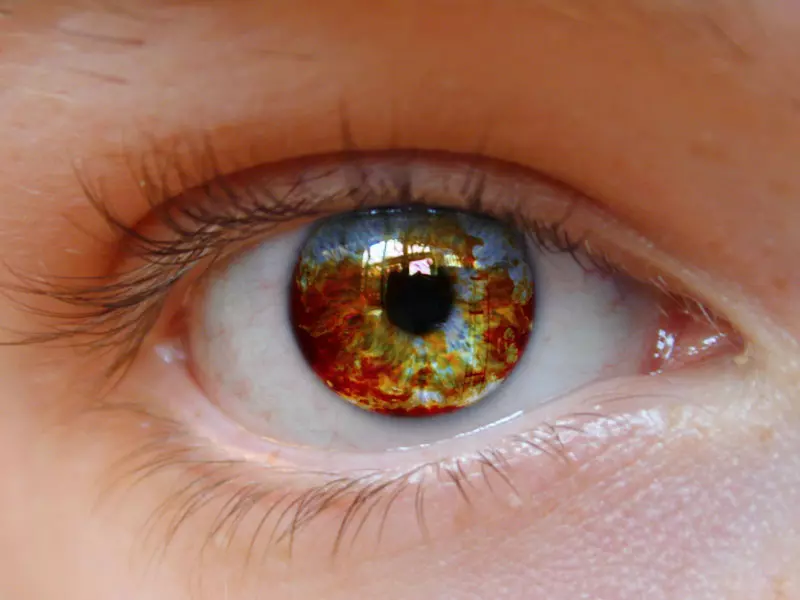
Dominance of Eye Colors
Eye colors vary depending on the amount and distribution of pigments in the iris. The most common eye color in humans is brown, but blue, green, hazel, and gray are also widely seen. Each individual’s eye color reflects their genetic structure and shows significant diversity. Eye color is an interesting subject both aesthetically and scientifically.
Eye color is mainly determined by the amount of pigment called melanin. Brown eyes have a high concentration of melanin, while blue eyes have less. Green and hazel eye colors fall between these two extremes and often have more complex pigment distributions. These differences help us understand how eye color forms and how it varies among individuals.
Defining eye color is important not only aesthetically but also for health. Some eye colors may be associated with certain eye conditions or light sensitivity. Therefore, understanding eye color correctly is important for both genetic studies and medical research.
Genetic Basis of Eye Colors
The genetic basis of eye color can be explained by a combination of Mendelian genetics and polygenic inheritance. Eye color results from the interaction of multiple genes. Among these, the most well-known are the OCA2 and HERC2 genes. The OCA2 gene regulates melanin production in the eye, while the HERC2 gene plays a regulatory role affecting this process.
However, many variations in eye color cannot be explained by a single gene. For example, in blue and green eyes, other genes also have smaller but significant effects. These genes influence melanin levels and iris structure, allowing different colors to form. This complexity makes the genetic structure of eye color even more interesting.
Research on the genetic basis of eye color helps us understand not only how eye color forms but also how genetic conditions are inherited. Genetic studies continue to expand our knowledge in this field.
What Does Dominance in Eye Colors Mean?
Dominance in eye colors refers to the fact that some eye colors are more common than others due to genetic factors. This is typically seen in the higher frequency of brown eyes compared to blue or green eyes. This is because brown eye color is genetically a dominant trait.
Dominant eye color appears as a result of genetic combinations. For example, since the brown eye gene is dominant, a person carrying both a brown and a blue eye gene will usually have brown eyes. However, an individual who inherits blue eye genes from both parents may have blue eyes. This explains how genetic inheritance works and how dominance affects eye color.
Understanding dominance in eye colors is important for interpreting genetic diversity and inheritance patterns. This knowledge can also be useful in areas such as genetic counseling and family planning.
Eye Color and Family Background
Eye color is closely related to family history and inherited genetic factors. An individual’s eye color is determined by genes inherited from their parents, so variation within a family can influence the possible eye colors of a child. For example, if both parents have brown eyes, their child is more likely to have brown eyes.
Family background provides important insights into eye color inheritance. By examining a family tree, it is possible to gather information about eye colors across generations. This can help identify dominant traits and genetic variations within a family.
Genetic analysis can further clarify how family history affects eye color. These analyses can help predict possible eye colors in children based on parental genetic combinations.
Different Eye Colors and Their Genetic Features
There are various eye colors around the world, each with its own genetic characteristics. Brown eyes are the most common and are characterized by irises with high melanin concentration. This eye color is more frequently seen in individuals living in warmer climates and provides better protection against sunlight.
Blue eyes are defined by irises with less melanin and are more common in populations living in colder climates. Since blue eye color is genetically recessive, both parents must carry the gene for a child to have blue eyes. This explains why blue eyes are less common.
Green and hazel eyes are more complex genetically. Green eyes typically have moderate melanin levels and are relatively rare. Hazel eyes result from a combination of brown and green pigments and may appear to change depending on lighting conditions. This diversity shows how complex and fascinating the genetic basis of eye color is.
Cultural and Historical Importance of Eye Colors
Eye colors have carried various meanings and symbolic values in different cultures throughout history. For example, in some ancient societies, blue eyes were considered a divine or mystical trait, representing purity and spiritual enlightenment. On the other hand, brown eyes were often seen as symbols of trust and loyalty.
Historically, eye colors have also been associated with social and cultural status. In the Middle Ages, blue eyes in Europe were linked to nobility and aristocracy, while brown eyes were associated with the general population. These perceptions show how societies have valued eye colors and how these views have evolved over time.
Today, eye color is considered part of personal identity and aesthetic preference. The growing use of aesthetic approaches and colored contact lenses has increased the desire to change or enhance eye color. This shows that eye color is not only a genetic trait but also a form of personal expression.
Eye Color Change: Is It Possible?
Eye color change can also be achieved through non-genetic approaches. Today, there are various methods that can create temporary or long-lasting changes in appearance.
Colored contact lenses are the most common and temporary solution. These lenses provide a short-term cosmetic change, and once removed, the natural eye color returns.
Laser-based approaches focus on the pigment layer of the iris and aim to gradually influence melanin over time to create a visible change in eye color. This process is typically approached with careful evaluation and planning.
Methods such as iris implants and other surgical approaches are considered risky and are generally not recommended.
Natural changes in eye color are rare and usually temporary. Factors such as aging, lighting conditions, or certain health situations may slightly affect how eye color appears. However, these changes are not permanent and do not alter the genetic structure.
Psychological Effects of Eye Colors
Eye colors can influence psychological perceptions and social interactions. Studies suggest that people often associate certain traits with specific eye colors.
For example, blue eyes may be perceived as more friendly and approachable, while brown eyes may be seen as more reliable and authoritative.
These perceptions can influence how individuals feel about themselves and others. Eye color may also play a role in self-confidence and identity.
Overall, the psychological effects of eye color reflect the complex relationship between social perception and personal identity.
 Call
Call
 Whatsapp