
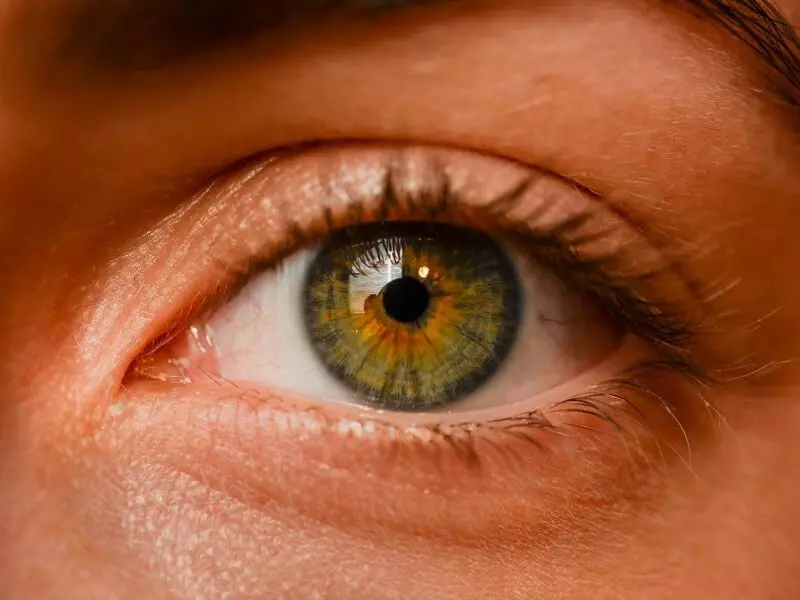
Dominance in Eye Colors
Eye color is one of the most noticeable features of the human face. However, the scientific and genetic background behind eye color may remain unclear for many people. Our eyes contain a colored part called the iris, and its color is determined by genetic factors and the amount of melanin pigment. Melanin is the same pigment responsible for skin and hair color.
There are two main types of pigment found in the iris: eumelanin and pheomelanin. Eumelanin produces dark brown and black tones, while pheomelanin creates lighter brown and yellow shades. The basic structure of eye color is formed by the combination and density of these pigments. Brown eyes contain high levels of eumelanin, while blue eyes have lower melanin levels.
Eye color is not determined solely by melanin but also by how light is scattered within the iris. This scattering effect can make eye color appear lighter or darker. Therefore, even individuals with the same eye color may show noticeable differences.
Genetic Factors in Eye Colors
One of the most important factors determining eye color is genetics. Genetics is the science that explains how traits are inherited from previous generations. Eye color is influenced by the interaction of multiple genes that affect iris pigmentation.
One of the key genes involved is the OCA2 gene, which regulates melanin production and is associated with brown eye color. Other genes, such as HERC2, also play a role by influencing how OCA2 functions, contributing to the appearance of blue and green eyes.
The effect of genetics can often be observed by comparing eye colors within a family. For example, if both parents have blue eyes, the likelihood of their child having blue eyes is high. However, due to genetic variation, different outcomes are still possible.
Differences Between Dominant and Recessive Genes
In genetics, dominant and recessive genes play a key role in determining physical traits, including eye color. Dominant genes are expressed more prominently when present.
Brown eye color is generally considered a dominant trait. This means that if an individual carries both brown and blue eye genes, brown is more likely to appear.
Recessive genes, on the other hand, are expressed only when two copies are present. Blue eye color is typically recessive and appears when both parents pass on the relevant genetic variation.
These interactions explain why eye color can be diverse and sometimes unpredictable.
What Does Dominance in Eye Colors Mean?
Dominance in eye color refers to which genetic trait is more likely to be expressed. Dominant genes create more visible characteristics, while recessive genes may remain hidden.
Brown eyes are generally dominant. Therefore, if both brown and blue eye genes are present, brown eye color is more likely to be expressed. This explains the widespread occurrence of brown eyes globally.
The concept of dominance also applies to other traits, such as hair color, where darker tones are often dominant.
Eye Colors and Family Background
Family background plays a major role in determining eye color. Eye color is inherited from parents, but genes from previous generations also contribute.
If there is diversity in eye color within a family, this may lead to variation in the child’s eye color. For example, parents with different eye colors may have a child with a combination of traits or even a different color due to recessive genes.
Understanding family genetics can provide insight not only into eye color but also into broader genetic patterns.
Cultural and Social Meaning of Eye Colors
Eye colors carry different meanings in various cultures and societies. They are not only physical traits but also part of social identity.
In some cultures, certain eye colors are associated with beauty or wisdom. For example, blue eyes may be considered attractive in Western cultures, while brown eyes may symbolize warmth and reliability in more traditional societies.
These perceptions influence how individuals are viewed and how they interact socially.
Changes and Transformation in Eye Colors
Eye color may remain stable or change over time. Babies are often born with blue or gray eyes, which may change as melanin production increases during early development.
Changes in eye color are not limited to childhood. In some cases, aging, health conditions, or trauma may influence eye color. Certain medications may also affect iris pigmentation.
These changes show that eye color can be dynamic. Regular eye examinations are important to monitor such changes and maintain eye health.
 Call
Call
 Whatsapp