
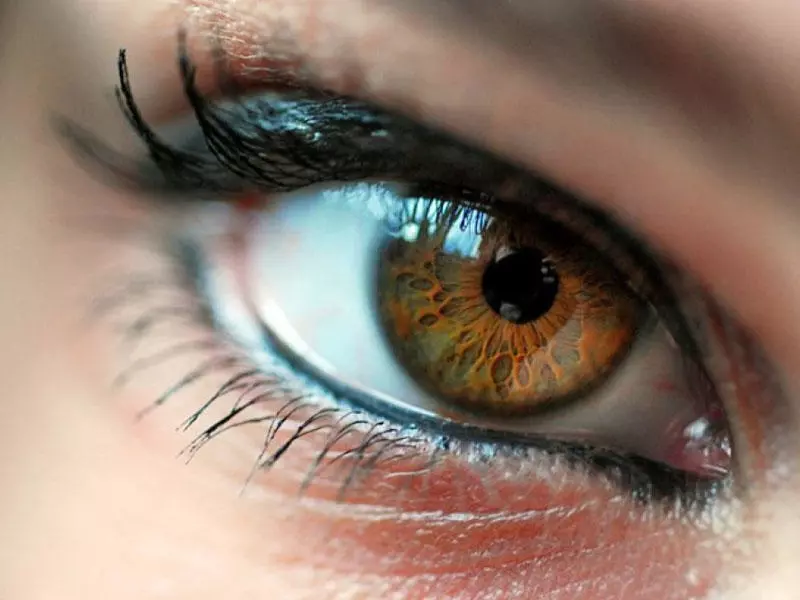
Does Melanin Give Color to the Eyes?
Melanin is a natural pigment found in the human body and plays a key role in determining skin, hair, and eye color. It is produced by cells called melanocytes and distributed throughout different parts of the body. One of its main functions is to protect tissues from harmful ultraviolet (UV) rays.
The Relationship Between Melanin and Eye Color
Eye color is primarily determined by the amount and type of melanin present in the iris, the colored part of the eye. The density of melanin in the iris directly affects whether the eye appears light or dark.
High levels of melanin generally result in darker eye colors such as brown, while low levels of melanin lead to lighter colors like blue or green. Different types of melanin also play a role in shaping eye color. For example, eumelanin is associated with darker tones, while lower levels combined with light scattering can create blue or green shades.
Does Melanin Give Color to the Eyes?
The answer is yes—melanin is the primary factor that gives color to the eyes. The amount and distribution of melanin determine how light is absorbed or reflected in the iris, which ultimately defines eye color.
When melanin levels are high, more light is absorbed, making the eyes appear darker. When melanin levels are low, light is scattered differently, resulting in lighter eye colors such as blue or gray.
Effects of Melanin on Eye Health
Melanin does not only determine eye color but also contributes to eye protection. Eyes with higher melanin levels are generally better protected against UV radiation. This means individuals with darker eyes may have a natural advantage in terms of protection from sunlight.
On the other hand, lighter-colored eyes contain less melanin and may be more sensitive to light. Therefore, individuals with light eyes may need additional protection, such as wearing sunglasses in strong sunlight.
Eye Color Types and Melanin Levels
Different eye colors correspond to different levels of melanin:
- Brown Eyes: High melanin levels; the most common eye color worldwide
- Blue Eyes: Low melanin levels; color appears due to light scattering
- Green Eyes: Moderate melanin levels with a mix of pigments
- Hazel Eyes: Variable melanin levels; may appear to change color under different lighting
Each eye color is the result of a combination of genetic factors and melanin production. This explains why eye color varies so widely among individuals.
Conclusion
Melanin is the fundamental pigment responsible for eye color. Its amount, type, and distribution in the iris determine whether eyes appear light or dark. Beyond aesthetics, melanin also plays a protective role in eye health. Therefore, eye color is not just a visual trait but also an important biological feature shaped by both genetics and environmental factors.
 Call
Call
 Whatsapp