
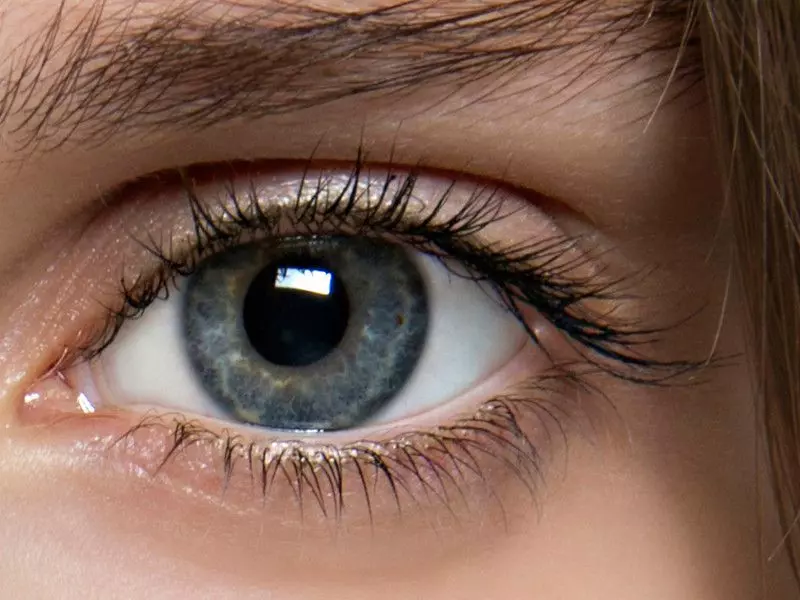
Do People’s Eye Colors Change?
The change in eye color has attracted attention and curiosity throughout history. Although there are many myths and misconceptions about this topic, the question of whether people’s eye colors change is an interesting subject that should be examined scientifically. Eye color is primarily determined by a person’s genetic structure and usually remains stable. However, various factors can lead to changes in eye color.
Human eye color often starts in shades of blue or gray at birth and may change over time. The reasons for this change include increases in melanin levels and genetic factors. However, this is not only a natural process; environmental factors and health conditions can also influence eye color.
Causes of Eye Color Change
Many factors play a role in changes in eye color. First, genetic structure is the primary cause. Genes determine the level and distribution of melanin, which directly affects eye color. In addition to genetic factors, certain environmental influences may also affect eye color.
Lighting Conditions: Eye color may appear different under varying lighting conditions. For example, sunlight may make the eyes look lighter, while dim lighting can make them appear darker.
Aging: As people age, melanin production may change, which can lead to variations in eye color. Some individuals may notice their eye color becoming lighter over time.
Health Conditions: Certain medical conditions and medications may also cause changes in eye color. For example, eye diseases such as Fuchs heterochromic iridocyclitis can result in color changes.
Eye Color Changes During Childhood
Eye color changes during childhood are quite common and are usually observed within the first few months after birth. Babies are often born with blue or gray eyes due to low melanin levels. However, this condition is usually not permanent.
Increase in Melanin Production: As children grow, melanin production in the eyes increases. This often causes the eye color to darken. The process typically completes within the first two years of life.
Genetic Factors: The genetic makeup of the parents plays an important role in determining a child’s eye color. Depending on parental eye colors, the child’s eye color may change over time.
Environmental Influences: Environmental factors, especially light exposure, may cause temporary variations in how eye color appears. Eyes may look different under different lighting conditions.
These changes during childhood are generally considered normal and are not usually a cause for concern. However, parents should be attentive and consult a specialist if sudden or unusual changes occur.
Eye Color Changes in Adults and Their Effects
Eye color changes in adults are much less common than during childhood. However, they are not impossible and may occur for various reasons. In adulthood, eye color changes are usually associated with certain medical conditions or external factors.
Health Conditions: Some medical conditions may cause eye color changes. For example, conditions such as Horner syndrome or pigmentary glaucoma can affect eye color. Such changes may indicate an underlying medical issue and require medical evaluation.
Hormonal Changes: Hormonal changes such as pregnancy or menopause may, in rare cases, lead to temporary eye color changes.
Lifestyle and Environmental Factors: Excessive exposure to sunlight, smoking, or certain medications may also influence eye color.
In adults, eye color changes are usually gradual. Therefore, if a sudden change is noticed, consulting an eye doctor is recommended to rule out underlying health problems.
Laser Eye Color Change Procedure
In recent years, many people have turned to aesthetic procedures to change their eye color. Laser eye color change is one such method and has gained attention. This procedure is generally chosen for cosmetic reasons but may involve medical risks.
How the Procedure Is Performed:
Laser eye color change works by targeting the pigment layer of the iris. The laser reduces pigment cells, allowing the eyes to appear lighter in color. The procedure is usually performed over several sessions.
Risks and Side Effects:
This procedure carries potential risks for eye health. Serious complications such as infection, inflammation, or vision problems may occur. For this reason, individuals considering the procedure should conduct thorough research and consult qualified specialists.
Applications in Ankara:
In Türkiye, including Ankara, there are clinics that offer this procedure. However, careful selection of the clinic and specialist is important when considering such treatments.
In conclusion, individuals who wish to change their eye color should carefully evaluate the procedure and consider all potential risks before making a decision.
 Call
Call
 Whatsapp