
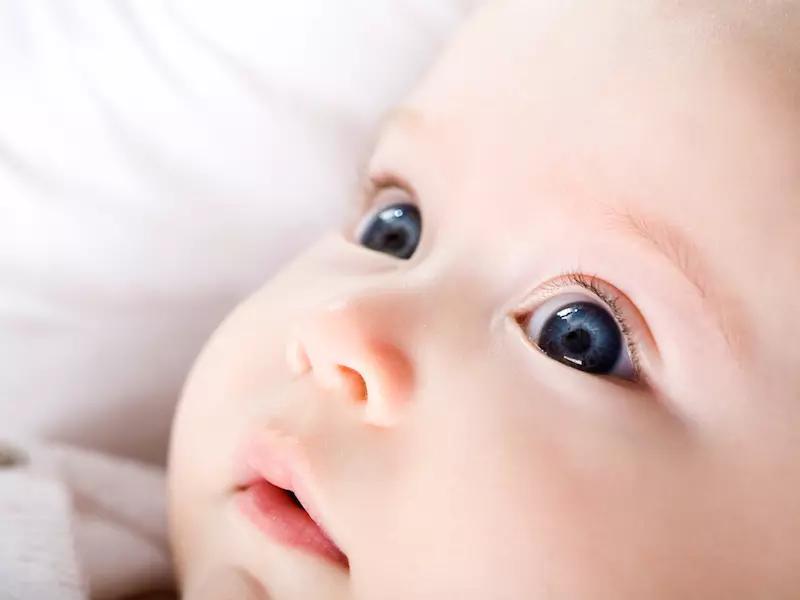
Different Eye Colors in Babies
Eye color is always an interesting topic for parents. In particular, having different eye colors in babies can be quite intriguing. Eye color is one of the most noticeable physical features, and such differences usually result from a combination of multiple factors.
What Does It Mean for Babies to Have Different Eye Colors?
When a baby has two different eye colors, this condition is medically known as heterochromia. Although it is rare, heterochromia is generally harmless and considered a normal variation. However, in some cases, it may be associated with underlying health conditions.
Heterochromia can be genetic or develop after birth. In some babies, it is noticeable at birth, while in others it may appear over time. Most of the time, it is simply an aesthetic feature and does not require treatment.
In certain cases, it may be related to trauma or infections. Therefore, it is recommended that babies with different eye colors be evaluated by a specialist.
How Does Eye Color Form in Babies?
Eye color depends on the pigmentation of the iris, the colored part of the eye. This pigmentation is determined by melanin, a pigment that absorbs light. In newborns, melanin production is not yet fully developed, so their eyes often appear blue or gray.
As melanin levels increase over time, the eye color may change. This process is one of the main reasons why babies’ eye colors can vary during early development.
Genetic information inherited from parents plays a crucial role in determining eye color. These genetic factors can also contribute to differences in eye color.
Genetic Factors and Eye Color
Genetics has a major influence on eye color. The color of a baby’s eyes depends on the genes inherited from the parents. These genes interact in complex ways, leading to a wide variety of eye colors.
According to basic genetic principles, darker eye colors are generally dominant over lighter ones. However, this is not always the case. For example, two brown-eyed parents can still have a blue-eyed baby due to genetic variation.
Genetics can also explain why a baby may have two different eye colors. Different gene combinations inherited from each parent can result in this variation. In such cases, genetic counseling may help provide a clearer understanding.
Eye Color Changes in Babies
A baby’s eye color can change after birth. Most newborns have blue or gray eyes, which may change as melanin production increases. This transformation typically occurs between 6 to 12 months, although it can take longer in some cases.
The degree and speed of change depend on genetic factors. Parents’ eye colors can provide clues, but exact predictions are not always possible.
Causes of Different Eye Colors in Babies
Different eye colors in babies can result from various causes:
Genetic Factors:
In most cases, heterochromia is inherited and may run in families.
Postnatal Factors:
Trauma or infections after birth may affect pigment cells and lead to changes in eye color.
Eye Conditions:
In rare cases, conditions such as Horner’s syndrome or neurofibromatosis may be associated with heterochromia.
Although this condition is usually harmless, it can occasionally indicate a medical issue. Therefore, consulting an eye specialist is recommended if such a difference is noticed.
 Call
Call
 Whatsapp