
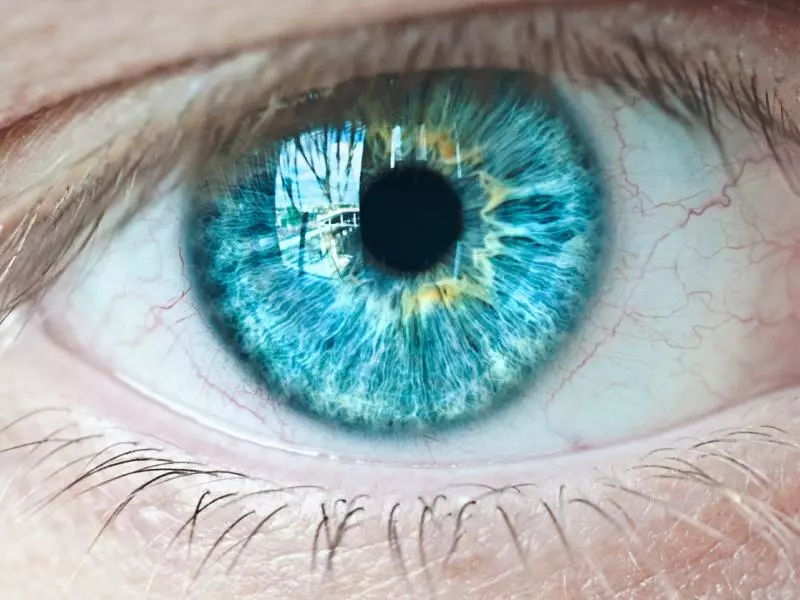
Different Eye Color Names
Eye colors are one of the most striking features of the human face. These colors, which appear in various shades and variations, not only carry aesthetic value but also provide insight into our genetic structure. The topic of different eye color names is an area that attracts curiosity and interest. In this article, we will discuss various eye colors, their formation, and the genetic factors behind them.
What Are Different Eye Colors?
Eye color is determined by the pigmentation of the iris, the colored part of the eye. The primary eye colors are brown, blue, and green. However, there are many different shades and combinations beyond these basics. Different eye color names are generally used to describe these tones and mixtures. For example, hazel, gray, and amber are commonly known variations.
Each individual’s eye color is closely related to their genetic inheritance. Many genes play a role in determining eye color by influencing iris pigmentation. The genetic combinations of two parents can result in a wide range of eye colors in their children. This diversity is one of the reasons why eye color is such a fascinating topic.
Beyond aesthetics, eye colors are also associated with personality traits and cultural meanings in some societies. For example, blue eyes are often seen as representing a cool yet trustworthy personality, while brown eyes are associated with warmth and sincerity. These beliefs further increase interest in eye colors.
Formation of Eye Color and Genetic Factors
Eye color is determined by the density and distribution of a pigment called melanin. Melanin accumulates in the iris layer, forming eye color. Brown eyes have high melanin levels, while blue eyes have lower levels. Genetic factors influence melanin production and distribution, thereby determining eye color.
Genetic science has shown that multiple genes are involved in eye color determination. In particular, the OCA2 and HERC2 genes are key contributors. These genes regulate melanin production and play a major role in the formation of eye color. However, many other genes can also influence the shade and intensity of eye color.
Genetic combinations can result in different eye colors within the same family. This is linked to the genetic heritage of parents and ancestors. For example, it is possible for a blue-eyed parent to have a brown-eyed child. This diversity highlights the complexity and fascination of eye color genetics.
Different Eye Color Names
The diversity of eye colors enriches the topic of different eye color names. Here are some common and interesting examples:
Hazel: A mix of brown and green tones, offering a natural and attractive look.
Gray: A rare color with a cool yet striking appearance.
Amber: A combination of yellow and golden tones, quite uncommon.
Hazel-Green (Nutty tone): A blend of green and brown tones, creating a dynamic look.
These eye color names contribute to individuality and distinction among people. The idea that eye color reflects identity and personality increases their significance. Different eye colors are often seen as an expression of both personal traits and genetic heritage.
These names are not just physical descriptors but also provide insights into a person’s inner world. For instance, hazel eyes are often considered mysterious and captivating, while gray eyes are associated with calmness and patience. Such interpretations enhance the socio-cultural importance of eye colors.
Common Eye Colors and Their Characteristics
The most common eye color in the world is brown. Brown eyes are generally associated with warmth and sincerity. Their high melanin content provides greater protection against sunlight. Throughout history, brown eyes have symbolized strength and reliability in many cultures.
Blue eyes are especially common among individuals of European descent. Due to lower melanin levels, they are particularly striking. People with blue eyes are often described as innovative and creative. This eye color is more prevalent in colder climates.
Green eyes are among the rarest. Individuals with green eyes are often described as independent and free-spirited. The moderate level of melanin in the iris creates this color. Green eyes have also been associated with mystery and wisdom in mythology and literature.
Rare Eye Colors and Their Meanings
Rare eye colors typically result from genetic variations and unique pigmentation. These include gray, amber, and even violet tones. Beyond their aesthetic appeal, they also carry cultural and symbolic meanings. For example, amber eyes are often associated with harmony and calmness.
Gray eyes, although rare, create a cool and impactful impression. Individuals with gray eyes are often known for their analytical thinking and logic. Historically, this eye color has been linked to wisdom and nobility.
Violet eyes are among the rarest and are usually associated with genetic mutations. They offer a mystical and captivating appearance. People with violet eyes are often perceived as charismatic and natural leaders, and this color is also linked to artistic and creative personalities.
Methods of Changing Eye Color
The desire to change eye color has increased due to aesthetic concerns and personal preferences. Today, several methods can alter eye color either temporarily or permanently. One of the most common methods is colored contact lenses. These provide a safe and quick solution, although proper use is essential.
Among permanent solutions, laser eye color change procedures are available. This method alters iris pigmentation to achieve lasting results. However, it may carry risks and side effects, so consulting a specialist is important. Laser eye color change is often preferred by those seeking blue or green tones.
 Call
Call
 Whatsapp