


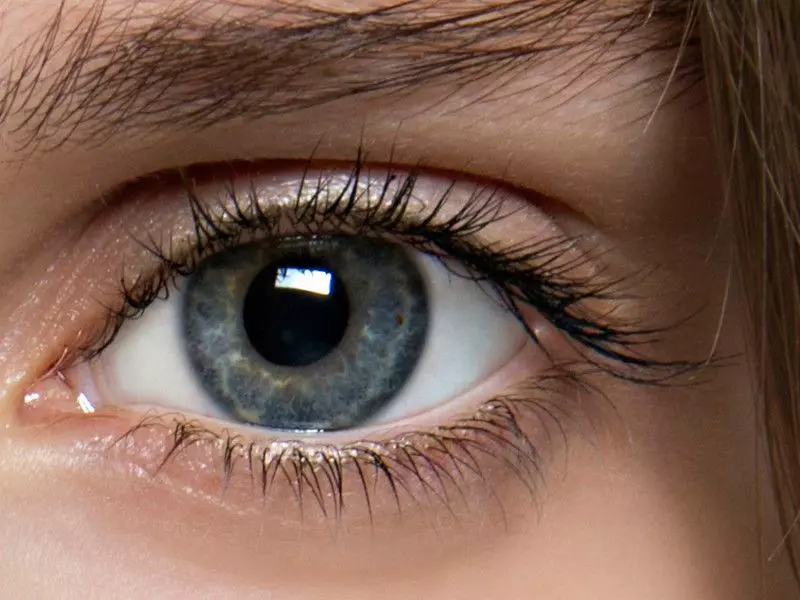
Eye color is a prominent part of our personal identity, and the concept of different colored eyes has always been an intriguing topic. In most cases, eye color is determined by genetic factors. However, in some situations, a person may be born with two different eye colors or may develop this condition later in life. This phenomenon is called heterochromia and is usually congenital. However, it can also develop as a result of injuries or illnesses. The beauty and attractiveness of different colored eyes form the main focus of this article.
Heterochromia generally appears in two types. The first type is complete heterochromia, where both eyes are different colors, while the second type is segmental heterochromia, where a part of the iris in one eye has a different color. Both types are rare and usually harmless. However, they may sometimes indicate an underlying health condition. For this reason, individuals with different colored eyes are advised to have regular eye examinations.
Changing eye color is now possible thanks to technological advancements. Especially in Ankara, various applications are available in this field. However, such procedures are not always risk-free and should be carefully researched, with advice taken from specialists. In this article, you will find information about the causes of different colored eyes, related practices in Ankara, and eye health considerations.
What Are Different Colored Eyes?
Different colored eyes, also known as heterochromia, refer to a condition in which a person has two eyes of different colors. This means one eye may be a different color from the other, or one eye may contain two different color tones. Heterochromia is a rare condition and is usually caused by genetic factors. However, it can also develop due to injuries or certain diseases.
Types of Heterochromia
-
Complete Heterochromia: Both eyes are entirely different colors.
-
Segmental Heterochromia: A portion of the iris in one eye has a different color.
-
Central Heterochromia: A different colored ring appears around the center of the iris.
Different colored eyes are generally considered an aesthetic feature and are found attractive by many people. However, they may sometimes be a sign of underlying health issues. Therefore, individuals with different colored eyes—especially if the condition develops later in life—should consult an eye doctor.
Causes of Different Colored Eyes
The causes of different colored eyes are usually based on genetic factors. Heterochromia may be congenital and is generally harmless. However, in some cases, it may indicate an underlying genetic disorder or disease. For example, genetic conditions such as Waardenburg syndrome may cause different colored eyes.
In addition, heterochromia can appear later in life. Injuries, eye surgeries, inflammation, or tumors may lead to changes in eye color. In such cases, heterochromia may be a sign of a health issue and requires medical evaluation. Therefore, individuals who notice sudden changes in eye color should consult an eye specialist.
Finally, some medications may also cause changes in eye color. In particular, certain drugs used in glaucoma treatment may alter iris color. These changes are usually permanent and may not reverse after stopping the medication. For this reason, individuals noticing eye color changes should review their medications.
Different Colored Eyes and Applications in Ankara
Ankara stands out as a city offering various options for people who have different colored eyes or wish to change their eye color. Many clinics and hospitals specializing in eye health provide services in this field. These services include contact lenses, iris implants, and laser eye color change procedures.
Contact lenses are a popular option for those who want to temporarily change their eye color. Colored contact lenses provide a natural-looking change. Optical stores and clinics in Ankara offer a wide range of colors and styles to suit personal preferences. However, contact lens use requires careful attention to eye health and should be guided by a doctor’s recommendation.
Another application performed in Ankara is iris implants. This surgical procedure is used to achieve permanent eye color change. However, it involves certain risks and may not be suitable for every patient. Therefore, anyone considering this type of operation should conduct detailed research and consult an experienced surgeon.
Laser Eye Color Change Procedure
Laser eye color change is a cosmetic procedure that has gained popularity in recent years. This process targets melanin pigment in the iris to create a permanent change in eye color. It is especially preferred for transforming darker eye colors into lighter shades. However, this procedure requires careful evaluation and must be performed by a qualified specialist.
Among the advantages of laser eye color change are permanent results and a relatively fast recovery period. However, the procedure also carries certain risks. Possible side effects include eye irritation, sensitivity to light, and in rare cases, vision loss. Therefore, anyone considering this procedure should undergo a detailed risk assessment and follow careful pre- and post-procedure care.
Ankara hosts many specialist centers that perform this type of procedure. However, the experience and reputation of the clinic or doctor performing the treatment are important factors to consider when making a decision. To learn more about the procedure and evaluate your personal suitability, consulting an eye health specialist is recommended.
Interesting Facts About Different Colored Eyes
Different colored eyes are associated with many interesting facts and myths. For example, heterochromia is seen not only in humans but also in animals. It is especially common in dogs and cats. These animals often attract attention because of their unique eye colors and receive special interest from their owners.
Throughout history, various myths and legends have been created about people with different colored eyes. Some cultures believed that such individuals possessed special powers or rare abilities. Today, this condition is generally considered an aesthetic feature and attracts curiosity from many people.
The genetic structure of different colored eyes is also an interesting research topic for scientists. Genetic variations and the effects of pigmentation help us understand how eye color forms and changes. These studies also provide important insights into eye health and diseases.
Eye Health Recommendations for Different Colored Eyes
Although having different colored eyes is generally harmless, maintaining eye health is always important. Here are some eye care recommendations:
Regular Eye Examinations:
If you have different colored eyes, regular check-ups help monitor your eye health and allow early detection of possible eye diseases.
Eye Protection:
Protect your eyes from harmful UV rays by wearing sunglasses. If you spend long periods in front of screens, remember to rest your eyes regularly.
Healthy Nutrition:
Consuming foods rich in vitamins A, C, and E helps support eye health. Foods such as fish, carrots, and spinach are good sources of these vitamins.
People with different colored eyes may need to pay extra attention to eye health. Lifestyle adjustments and regular care can help maintain healthy eyes.
Frequently Asked Questions About Different Colored Eyes
Are different colored eyes permanent?
Yes, in most cases they are permanent. Heterochromia caused by genetic factors usually lasts for life. However, heterochromia resulting from injury or disease may change if the underlying cause is treated.
Can heterochromia be treated?
Genetic heterochromia usually does not require treatment and is harmless. However, if it is caused by a medical condition, treatment of the underlying issue may improve it. Therefore, sudden changes in eye color should be evaluated by an eye doctor.
Are different colored eyes hereditary?
Different colored eyes are related to genetic factors and may be hereditary. However, heterochromia is rare, and its genetic inheritance can be complex. If similar cases exist in your family history, you may consider genetic counseling.