
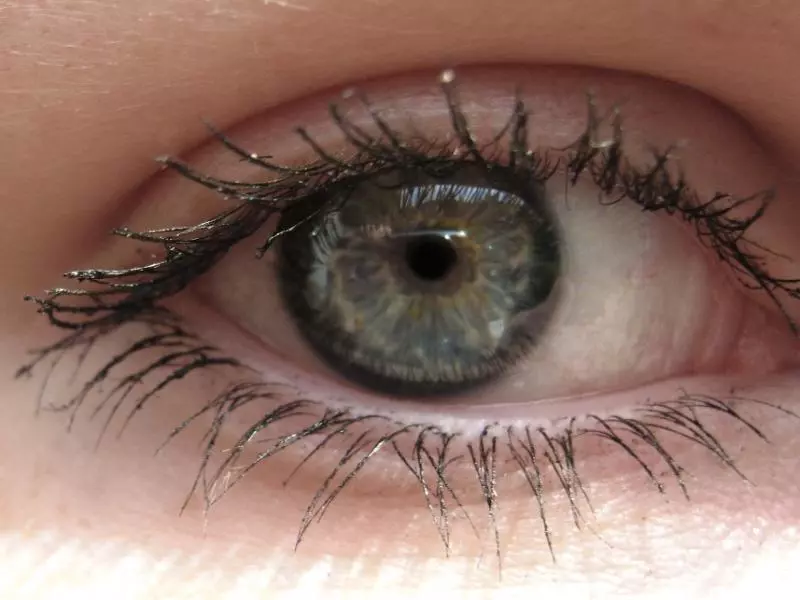
Dark Eyes vs Colored Eyes
Eye color is an important part of our personal identity. Under the topic of dark eyes vs colored eyes, we examine the genetic and cultural aspects of these two different eye types.
What Are Dark Eyes and Colored Eyes?
Dark eyes refer to eye colors that appear black or dark brown due to high pigmentation. This color is generally associated with a higher amount of melanin. Dark eyes are among the most common eye colors worldwide.
Colored eyes, on the other hand, include lighter shades such as blue, green, and hazel. These eye colors occur due to lower melanin levels and the way light is scattered within the eye. Colored eyes are generally rarer and are more commonly found in individuals of European descent.
The topic of dark eyes vs colored eyes involves not only aesthetic differences but also genetic, cultural, and health-related aspects. Therefore, it is important to examine the different dimensions of eye color carefully.
Genetic Differences Between Dark and Colored Eyes
Genetics plays a significant role in determining eye color. Eye color is influenced by the interaction of several genes, with OCA2 and HERC2 being the most important. These genes affect melanin production, thereby determining eye color.
Individuals with dark eyes have higher melanin production, resulting in darker eye color. Genetically, this is often explained by the effect of dominant genes. In contrast, colored eyes are associated with recessive genes and lower melanin production.
Genetic variations can also affect the tone and brightness of eye color. For example, hazel eyes may vary in shade between individuals. These genetic differences play an important role in the discussion of dark eyes vs colored eyes and provide insights into how eye color is formed.
Advantages and Disadvantages of Dark Eyes
Dark eyes have several advantages. First, due to their high melanin content, they provide better protection against harmful UV rays from the sun. This is particularly beneficial for individuals who spend more time outdoors.
However, dark eyes also have some disadvantages. Dark-colored eyes reflect less light, which may reduce visual clarity in low-light conditions. This can become noticeable in activities that require night vision.
From an aesthetic perspective, dark eyes may also be perceived differently across cultures. In some cultures, they are seen as mysterious and striking, while in others they may be considered more common. These perceptions vary depending on personal experiences and societal norms.
Advantages and Disadvantages of Colored Eyes
Colored eyes are often considered aesthetically attractive. Blue and green eyes, in particular, tend to draw attention due to their rarity and are often admired. This can have positive effects on individuals’ social and personal lives.
However, colored eyes also have certain disadvantages. Due to lower melanin levels, they are more sensitive to sunlight. This can pose risks to eye health when exposed to UV rays and may contribute to conditions such as cataracts.
Another disadvantage of colored eyes is their tendency to reflect more light in low-light conditions, making them more prone to glare. This can cause discomfort in bright environments or on sunny days.
Cultural and Social Perceptions: Dark Eyes vs Colored Eyes
Eye colors have been associated with different meanings and perceptions across cultures. For example, in some Eastern cultures, dark eyes symbolize wisdom and inner depth, while in Western cultures, colored eyes are often associated with attractiveness and rarity.
The perception of dark eyes as mysterious and captivating is frequently reflected in literature and art. Praise for dark eyes in poetry and songs highlights their cultural significance. Similarly, colored eyes are often depicted as symbols of beauty and elegance in many artistic works.
Social perceptions can influence how individuals see themselves and how they are perceived by others. Therefore, the topic of dark eyes vs colored eyes is not only a genetic and aesthetic matter but also one with deep cultural and social dimensions.
Evaluation of Dark and Colored Eyes in Terms of Eye Health
Eye health can be influenced by eye color. The high melanin content in dark eyes provides better protection against sunlight, while colored eyes are more sensitive and more vulnerable to UV exposure. This indicates that different eye colors may carry different health risks.
Individuals with dark eyes generally have a lower risk of conditions such as cataracts and macular degeneration. However, their visual performance in low-light conditions may be weaker compared to those with lighter eyes. This is an important factor to consider in activities such as night driving.
Individuals with colored eyes should use sunglasses to protect against UV rays and undergo regular eye examinations. Both eye types can maintain good eye health through a healthy lifestyle and regular medical check-ups.
Is Eye Color Change Possible?
Eye color change is an intriguing topic for many people. Naturally, eye color change is rare and usually occurs during infancy. However, with advancements in technology, it has become possible to change eye color through surgical and cosmetic methods.
Laser procedures can lighten eye color by reducing melanin pigment in the eye. However, such procedures may carry risks and may not always produce the desired results. Therefore, individuals considering eye color change should carefully evaluate their decision and seek professional advice.
Colored contact lenses are another commonly used method for changing eye color. These lenses offer a temporary solution and are a practical alternative for those who want to try different eye colors. However, improper hygiene during lens use may increase the risk of infection.
 Call
Call
 Whatsapp