
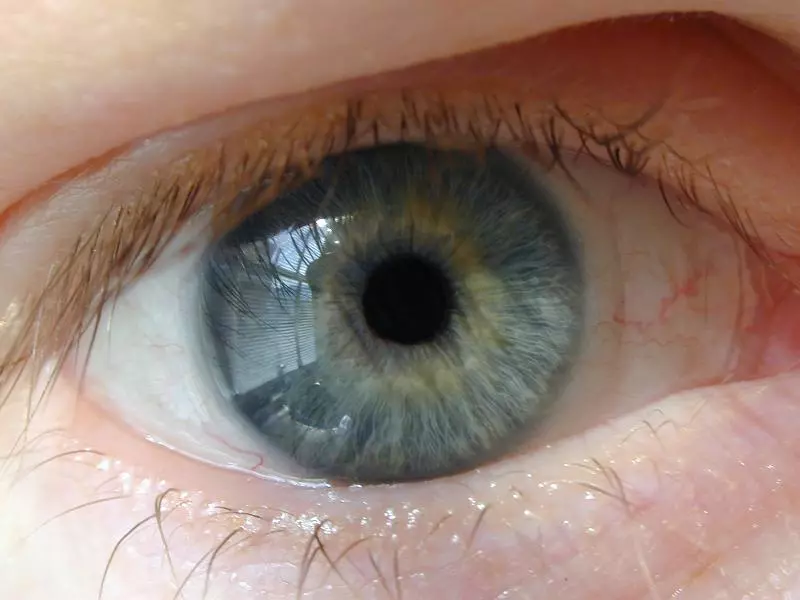
Colored Iris
The term “colored iris” refers to the colored ring surrounding the pupil of the eye. Everyone’s eye color can vary, typically appearing in shades such as brown, blue, green, or hazel. The concept of a colored iris specifically describes the color of the iris, which is determined by a person’s genetic makeup.
Eye color can sometimes be associated with personality and character. For example, in some cultures, people with blue eyes are considered more friendly and warm, while those with brown eyes are perceived as more reliable and determined. Eye color is not only an aesthetic feature but also a part of an individual’s identity. Therefore, understanding more about iris color can be meaningful.
In general, the concept of a colored iris plays an important role in first impressions. People often pay attention to eye color when evaluating others. For this reason, the color around the pupil has a significant impact on social interaction and communication.
The Importance of Iris Color
Iris color not only affects a person’s appearance but can also provide clues about overall health. Individuals with lighter-colored eyes may be more sensitive to sunlight, which can influence eye health.
Eye color also reflects genetic background. It is determined by inherited traits from family members and represents genetic diversity. Different eye colors emerge from the combination of various genetic influences. For instance, although rare, two brown-eyed parents can have a child with blue eyes.
Additionally, iris color may have psychological effects. People often form impressions based on eye color, which can influence social interactions. For example, individuals with blue eyes are often seen as more gentle and approachable, while those with brown eyes may be perceived as more serious and trustworthy. This makes iris color an important factor in social perception.
How Does Iris Color Form?
Iris color is determined by pigmentation. The amount of melanin present in the iris directly affects eye color. As melanin levels increase, the eye color becomes darker.
Genetic factors play a crucial role in this process. Genes inherited from parents determine a child’s eye color. The interaction between dominant and recessive genes is key. For example, brown eye color is typically dominant, while blue and green are recessive.
The development of iris color begins at birth and may change as a baby grows. Babies are often born with lighter-colored eyes, which may darken over time as melanin production increases. This natural process reflects genetic diversity and development.
Frequently Asked Questions About Iris Color
Does eye color change over time?
Yes, eye color can change, especially during infancy. Babies are often born with lighter eyes that darken within a few months due to increased melanin production. In adulthood, eye color usually remains stable.
Is it possible to change iris color?
It is not possible to naturally change iris color. However, colored contact lenses can temporarily alter eye color. These lenses cover the natural color and create a different appearance. Proper use is important to protect eye health.
How is eye color inherited genetically?
Eye color is a genetic trait determined by genes inherited from parents. Since brown eye color is usually dominant, children of brown-eyed parents are more likely to have brown eyes. However, variations can occur if different eye colors exist within the family.
 Call
Call
 Whatsapp