
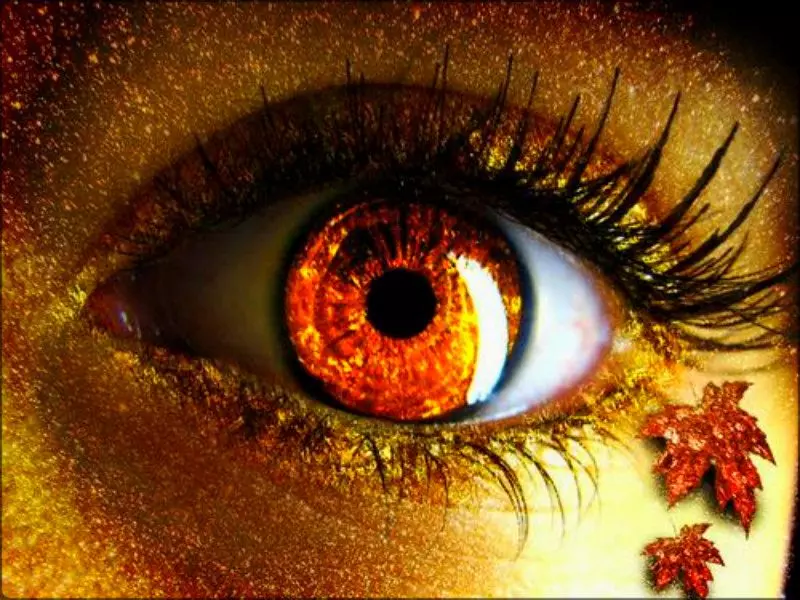
Colored Eyes Around the World
Colored eyes are a fascinating and admired phenomenon worldwide. Eye color carries different meanings across cultures and societies. For example, blue eyes are more common in colder climates, while brown eyes are more frequently seen in warmer regions. This diversity reflects the genetic heritage of populations living in different parts of the world.
The aesthetic appeal of colored eyes has also influenced the fashion and beauty industries. The popularity of colored contact lenses shows that many people are curious about experiencing different eye colors. For some, having colored eyes represents prestige; for others, it reflects a beauty standard. This demonstrates that eye color is more than just a genetic trait—it has become a cultural and social symbol.
Additionally, colored eyes hold special meanings in certain societies and have inspired many myths and legends. These stories often suggest a connection between eye color and personality traits. For instance, blue eyes are sometimes believed to symbolize a distant personality, while green eyes are often described as mysterious and captivating.
How Colored Eyes Form
Eye color formation is a complex genetic process. Two primary pigments play a key role: melanin and lipochrome. Melanin gives eyes brown and black tones, while lipochrome contributes to green and blue shades. The combination of these pigments determines an individual’s eye color.
Genetic factors play an essential role in passing eye color from generation to generation. However, inheritance is not always straightforward. For example, two brown-eyed parents can have a blue-eyed child due to genetic diversity and recessive genes. This shows that eye color depends not only on parents’ visible traits but also on their broader genetic background.
Eye color can also change during life. In infants, lighter eye colors at birth may darken over time as melanin production increases. Hormonal changes during adolescence may also lead to slight variations. The combination of genetic and biological factors makes eye color a dynamic characteristic.
Types of Colored Eyes Around the World
Globally, eye color varies widely depending on pigmentation levels. Brown is the most common eye color and is found in the majority of the world’s population. Higher melanin levels provide greater protection against sunlight, making brown eyes more common in warmer climates.
Blue eyes contain less melanin and are more common in Northern Europe. Due to lower pigment levels, light scatters differently in the iris, creating a blue appearance. Because they are less common globally, blue eyes are often associated with uniqueness.
Green eyes are considered the rarest natural eye color, found in about 2% of the world’s population. They result from a unique mix of melanin and lipochrome pigments. Their rarity has contributed to their association with mystery and allure in many cultures.
Myths and Legends About Colored Eyes
Colored eyes have long been the focus of myths and legends. One common belief is that blue eyes indicate a cold or distant personality. This idea may have developed from associations between blue eyes and colder northern regions. However, scientific research does not support a direct link between eye color and personality.
Green eyes are often connected to mystery and magical qualities. In many cultures, green-eyed individuals were associated with mystical figures. These beliefs likely developed because of the rarity of green eyes, but there is no scientific basis for such claims.
Brown eyes are often linked to reliability and loyalty. Since brown is the most common eye color worldwide, people may perceive it as familiar and trustworthy. Again, there is no scientific evidence proving that eye color determines character traits. These ideas are largely shaped by cultural influences.
The Health Significance of Colored Eyes
Eye color may have certain health-related implications. Brown eyes, due to higher melanin levels, offer more protection against harmful UV rays. This may reduce sensitivity to sunlight. However, regular eye care remains important for everyone, regardless of eye color.
Blue and green eyes contain less melanin and may be more sensitive to bright light. Individuals with lighter eye colors may benefit from wearing sunglasses in strong sunlight. Some research suggests possible links between lighter eye colors and certain eye conditions, though findings are not definitive.
Eye color alone is not a direct indicator of health. Genetics, environment, and lifestyle all play a role in overall eye health.
Colored Eyes in Fashion and Beauty
Colored eyes hold an important place in fashion and beauty. Many people believe eye color enhances appearance, and makeup techniques are often developed to complement specific eye shades.
Blue and green eyes are frequently highlighted in photography and modeling due to their visual impact. Models with these eye colors are often featured prominently in fashion campaigns.
Brown eyes are also valued in the beauty world and are often associated with warmth and depth. Their natural richness makes them versatile for many makeup styles. Eye color can enhance personal expression and influence style choices.
Celebrities with Colored Eyes
Celebrities with distinctive eye colors often attract attention not only for their talent but also for their appearance. Actors or singers known for striking blue or green eyes may contribute to the popularity of these traits.
Green-eyed celebrities are sometimes associated with a captivating aura due to the rarity of their eye color. Brown-eyed celebrities often project warmth and relatability, making them widely admired.
The influence of celebrities shows that eye color can shape beauty perceptions and trends in society.
Care Tips for Colored Eyes
Colored eyes require proper care to maintain eye health. Regular eye check-ups and protection from harmful UV rays are essential. Wearing sunglasses is one of the most effective ways to protect eyes from sun damage, especially for lighter eye colors.
Keeping eyes hydrated is also important. If you spend long hours in front of a computer, using artificial tears may help prevent dryness. Taking regular screen breaks can reduce eye strain.
A healthy lifestyle supports eye health. Balanced nutrition, adequate sleep, and regular exercise contribute positively. Foods rich in antioxidants help protect eyes from free radical damage and support long-term vision health.
These simple care habits can help keep colored eyes healthy and vibrant.
 Call
Call
 Whatsapp