
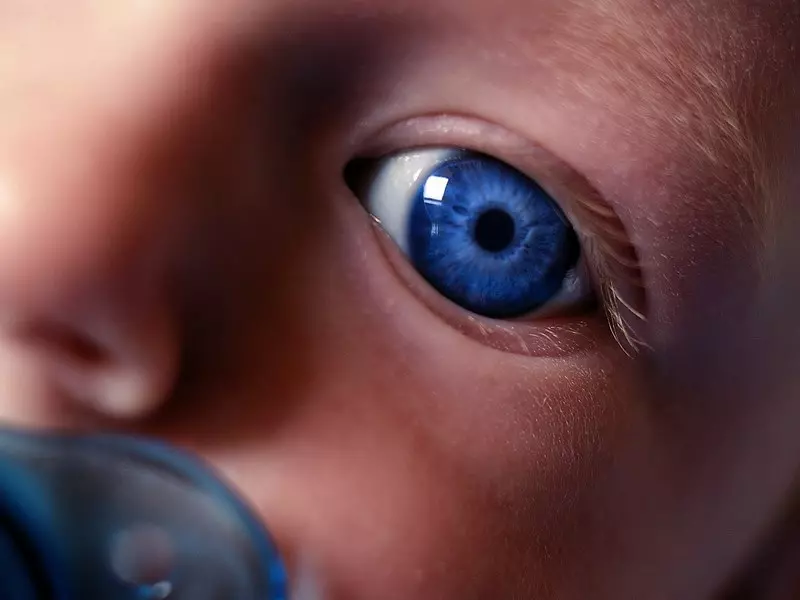
Colored-Eyed Babies
Colored-eyed babies have a rare beauty that often attracts the attention of families and those around them. The presence of different eye colors in babies usually arouses curiosity and interest among parents. The genetic origins of colored eyes and details about caring for babies with these traits can be both interesting and informative for many families. In this article, we will focus on what colored-eyed babies are, their characteristics, genetic structure, and care tips.
What Are Colored-Eyed Babies?
Colored-eyed babies are infants whose eye colors include shades such as blue, green, or hazel rather than the standard brown. These eye colors are generally based on genetic inheritance from parents or previous generations. A baby’s eye color becomes more apparent after birth and typically settles within a few months or years. During this time, eye color may change.
Colored eyes depend on the amount and distribution of melanin pigment. For example, blue eyes are associated with low levels of melanin in the iris, causing light to scatter in a way that gives a blue appearance. Similarly, green eyes contain a certain amount of melanin but with a different distribution, resulting in a green tone.
Eye color is not just an aesthetic feature but also a genetic and biological process. Therefore, colored-eyed babies can be seen as an indicator of genetic diversity. The fascinating colors of their eyes are the result of genetic combinations, making them unique.
Characteristics of Colored-Eyed Babies
The most distinctive feature of colored-eyed babies is their unique and striking eye color. These babies often attract attention in photos and social settings. However, colored eyes are not only about appearance; they may also influence personality and behavior.
Colored-eyed babies may receive more attention, which can positively affect their social development. Being the focus of interest can help build confidence and support the development of social skills. These interactions may also contribute to the development of language and communication abilities.
However, babies with colored eyes may be more sensitive to light. Lighter eye colors reflect more light, making them more susceptible to bright environments. Therefore, it is important to take appropriate measures to protect their eye health and ensure their comfort. For example, using a hat in bright sunlight or staying in shaded areas can be helpful.
Genetic Structure of Colored-Eyed Babies
The genetic structure of colored-eyed babies is determined by genes inherited from their parents. Eye color is the result of multiple genetic factors coming together, creating a complex combination that determines the final color. The presence of colored eyes is a clear example of genetic diversity and inheritance.
One of the most important genes involved in eye color is the OCA2 gene, which plays a role in melanin production and affects whether eye color is light or dark. However, a single gene cannot fully explain eye color. Other genes, such as HERC2, also play a role by regulating the activity of OCA2, contributing to the final eye color.
A baby’s eye color can change during the first few months after birth. Eyes that initially appear blue may gradually become darker or shift to another color. This change occurs due to increased melanin production and genetic influences. Therefore, the genetic structure of colored-eyed babies may show visible changes over time.
Care Tips for Colored-Eyed Babies
Caring for colored-eyed babies may require some special attention. Due to their lighter eye color, they can be more sensitive to light, which may lead to additional care needs. Here are some important tips:
Sun Protection: Colored-eyed babies may be sensitive to bright sunlight. Using hats or sunglasses when outdoors can help protect their eyes.
Regular Check-Ups: Regular eye examinations are important to monitor eye health and development. An eye specialist can track the baby’s eye condition and recommend necessary precautions.
Light Sensitivity: These babies may also be sensitive to bright indoor lighting. Adjusting room lighting and avoiding overly bright environments can improve their comfort.
Proper care is essential to ensure that colored-eyed babies remain comfortable and healthy. While their unique eye colors make them stand out, they also require careful attention when it comes to protection and well-being.
 Call
Call
 Whatsapp