
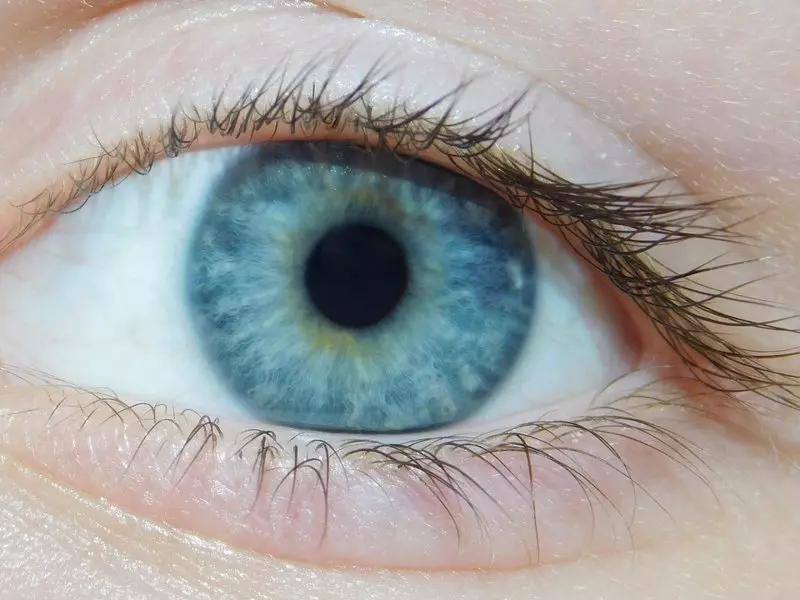
Colored Eye Ratio in the World
Eye color varies from person to person as a genetic trait. But what is the percentage of colored eyes in the world? Eye color is generally categorized as brown, blue, green, and hazel. Brown eyes are the most common, making up approximately 79% of the global population. In contrast, blue, green, and other lighter eye colors are less common, and in this article, we explore these ratios in more detail.
Genetic Structure of Colored Eyes
Colored eyes are a reflection of our genetic makeup. Blue and green eyes, in particular, are the result of less common genetic combinations. The main gene responsible for eye color is the OCA2 gene, although it does not act alone. Other genetic factors also influence the final color of the iris.
Scientists have discovered that eye color follows a polygenic inheritance pattern. This means multiple genes work together to determine eye color. The diversity of these genetic combinations leads to a wide range of eye colors across the world. Green and hazel eyes, for example, often require more complex genetic interactions compared to blue eyes.
Colored Eye Ratio in the World: Distribution by Countries
The distribution of colored eyes varies by region. These differences are mainly shaped by historical migration and genetic diversity. In Europe, blue eyes are more common, while in Asia and Africa, brown eyes dominate.
In Scandinavian countries, blue eyes make up a large portion of the population. For instance, in Estonia and Finland, the percentage of blue-eyed individuals exceeds 80%. In contrast, in the Middle East and Africa, brown eyes are nearly universal, and colored eyes are quite rare.
These variations are influenced not only by genetics but also by cultural and social factors. In some societies, certain eye colors are more admired or associated with specific meanings, making eye color both a biological and cultural topic.
Historical and Cultural Importance of Colored Eyes
Colored eyes have held different meanings across cultures throughout history. During the Middle Ages, blue eyes were associated with innocence and purity, while green eyes were often linked to mystery and sometimes even danger.
Culturally, the perception of colored eyes has evolved over time. In art and literature, they are often portrayed as symbols of beauty and attraction. Many famous paintings and literary works highlight eye color to emphasize character traits.
Today, colored eyes continue to hold cultural significance. In the beauty and fashion industry, blue and green eyes are still considered highly desirable. The popularity of colored contact lenses has also allowed people to experience different eye colors.
Psychological Effects of Colored Eyes
Colored eyes can influence psychological perception. Eye color is one of the first features people notice and can shape first impressions. Blue eyes are often associated with calmness and trust, while green eyes may evoke mystery and curiosity.
Some psychological perspectives suggest that eye color may influence perception and behavior. For example, blue-eyed individuals may be seen as more introverted and intuitive, while hazel-eyed individuals may be perceived as more outgoing and confident.
Eye color can also play a role in social interactions. During communication, it may subtly influence how people connect and interpret each other.
Effects of Colored Eyes on Health and Vision
Colored eyes may be linked to certain sensitivities. People with lighter eye colors may be more sensitive to sunlight due to lower melanin levels. This is more common in individuals with blue or green eyes.
There are also suggestions that eye color may relate to certain vision differences. For example, individuals with blue eyes may experience more difficulty in low-light conditions.
However, the overall impact of eye color on health is limited and usually does not significantly affect daily life.
Care Tips for Colored Eyes
There are several ways to support eye health for individuals with colored eyes:
- Sunglasses: Lighter eyes are more sensitive to sunlight, so using UV-protected sunglasses is beneficial.
- Regular Eye Check-ups: Routine examinations help monitor eye health.
- Eye Drops: Moisturizing drops can help with dryness and improve comfort.
Additionally, makeup techniques can be used to enhance the natural appearance of colored eyes. Warm tones may highlight blue eyes, while purple tones can make green eyes stand out.
 Call
Call
 Whatsapp