
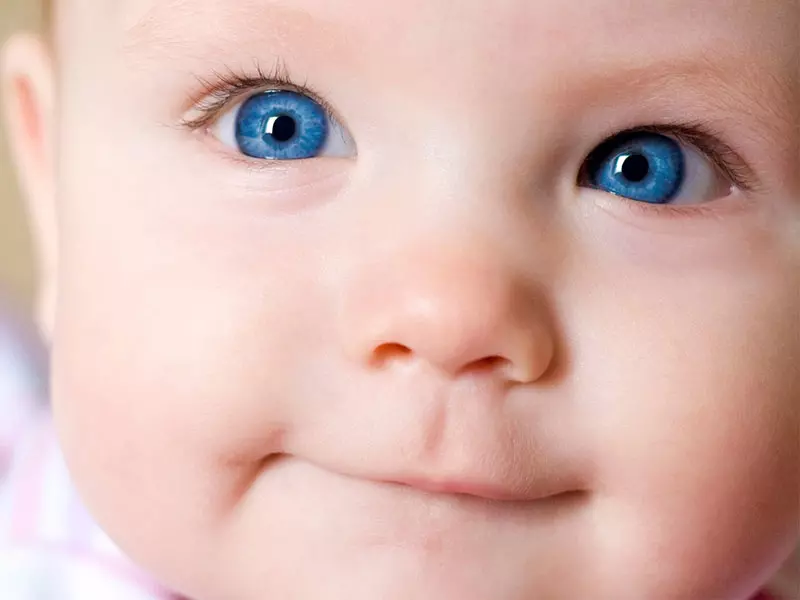
Colored Baby Eyes
Colored baby eyes are a captivating and noticeable feature that rarely escapes parents’ attention shortly after birth. Compared to eye color in adulthood, babies’ eyes often appear lighter and softer in tone. The final eye color, however, becomes clearer over time and is largely determined by genetic factors.
At birth, the pigment in a newborn’s eyes is not yet fully developed. For this reason, many babies are born with blue or gray eyes. The eye color typically settles into its permanent shade between 6 months and 1 year of age. During this period, a baby’s eye color may change depending on environmental light and other factors.
Colored baby eyes attract attention not only genetically but also culturally and socially. Families often wonder how their baby’s eye color will evolve and which family member the baby will resemble. This curiosity frequently becomes a topic of conversation at family gatherings and forms an important part of the baby’s visual identity.
Characteristics of Colored Baby Eyes
When babies are born, their eyes are generally delicate and sensitive. This sensitivity is related to their structural development. Because melanin levels are low in infancy, colored baby eyes are more sensitive to light. Therefore, babies’ eyes should be protected from bright lighting.
Another noticeable feature is that the sclera—the white part of the eye—may appear slightly bluish. This occurs due to the thin structure of the eye and underdeveloped blood vessels. As the baby grows, this bluish tone typically disappears, and the sclera becomes the normal white color.
Colored baby eyes can reflect different shades under varying lighting conditions. For example, eyes that appear blue in natural sunlight may look green or gray under indoor lighting. This variability can be both fascinating and surprising for parents, as the baby’s eye color may seem to change in different environments.
The Development of Colored Baby Eyes
The development of eye color begins gradually after birth and usually stabilizes by the end of the first year. This process occurs as melanin pigment accumulates in the iris. Melanin is the primary factor determining eye color: lower amounts result in blue or green shades, while higher amounts lead to brown tones.
Eye color change is often observed in three stages. First, slight color changes may occur within the first few months after birth. Then, as melanin production increases, the color becomes more defined. Finally, genetic factors determine the permanent eye color.
For parents and family members, this development process is full of curiosity and excitement. Monthly changes allow the baby’s unique features to gradually emerge. It also helps families better understand the role of genetic inheritance and recognize similarities within the family.
The Genetic Structure of Colored Eyes
Eye color has a genetic basis and results from specific gene combinations inherited from parents. Melanin is the primary pigment that determines human eye color, and the amount and distribution of melanin form the foundation of eye color.
Dominant and recessive genes play important roles in determining a baby’s eye color. Brown eyes are generally associated with dominant genes, while lighter shades such as blue and green are linked to recessive genes. This helps explain how different eye colors appear among family members.
Although genetics is the primary determinant, environmental factors and genetic variations can also influence eye color. In rare cases, certain genetic conditions may result in unusual eye colors. This shows that eye color is not determined by a single factor but by a complex interaction of influences.
Caring for Colored Baby Eyes
Colored baby eyes require gentle and attentive care. Protecting a baby’s eye health is important both in the short and long term. Because babies’ eyes are sensitive to light, they should be shielded from intense sunlight or strong artificial lighting.
Eye hygiene is another important consideration. Since the area around a baby’s eyes is delicate, it should be cleaned gently with a soft, clean cloth. If symptoms such as discharge, redness, or signs of infection appear, a pediatric eye specialist should be consulted. Early evaluation can help prevent potential complications.
Regular eye check-ups are also essential. These visits allow for early detection of possible eye conditions and help monitor visual development. Routine examinations enable parents to stay informed about their baby’s eye health and seek professional advice when necessary.
Psychological Effects of Colored Eyes
Eye color can have psychological and social influences. Colored baby eyes often draw admiration and may play a role in interpersonal interactions. Individuals with colored eyes are sometimes perceived as more striking or captivating.
Research suggests that eye color may influence perception and communication. For example, blue or green eyes are sometimes associated with sensitivity or emotional expressiveness, while darker eyes may convey strength and reliability. Although these perceptions are generalizations, they can affect social interactions.
A baby’s eye color may also influence how parents and society perceive the child. Babies with colored eyes may be viewed as unique or special, which can contribute to the formation of their personal identity and the way they are perceived by others.
Colored Baby Eyes and Health
There are important health considerations regarding colored baby eyes. If any unusual or unexpected changes occur during the eye color development process, consulting a specialist is important. Sudden changes in eye color may sometimes indicate underlying health conditions.
Signs such as redness, excessive tearing, or swelling could suggest allergies or infections and should be evaluated by a healthcare professional. Early diagnosis and treatment are crucial for maintaining long-term eye health.
Regular eye examinations are recommended to monitor vision development and detect potential issues early. These check-ups help parents become more aware of their baby’s eye health and take appropriate preventive measures.
Interesting Facts About Colored Baby Eyes
There are many fascinating facts about colored baby eyes. Not all babies are born with blue eyes. Some may be born with brown or green eyes, depending on their genetic makeup and melanin levels. These differences make each baby unique.
Another interesting fact is the unpredictability of when eye color stabilizes. Each baby develops at a different pace, so eye color changes can vary. While some babies’ eye colors settle within months, for others, the process may take several years.
Finally, colored baby eyes are not always solely a reflection of genetics. Environmental factors and lighting conditions can temporarily influence how eye color appears. This highlights how dynamic and variable baby eye color can be.
 Call
Call
 Whatsapp