
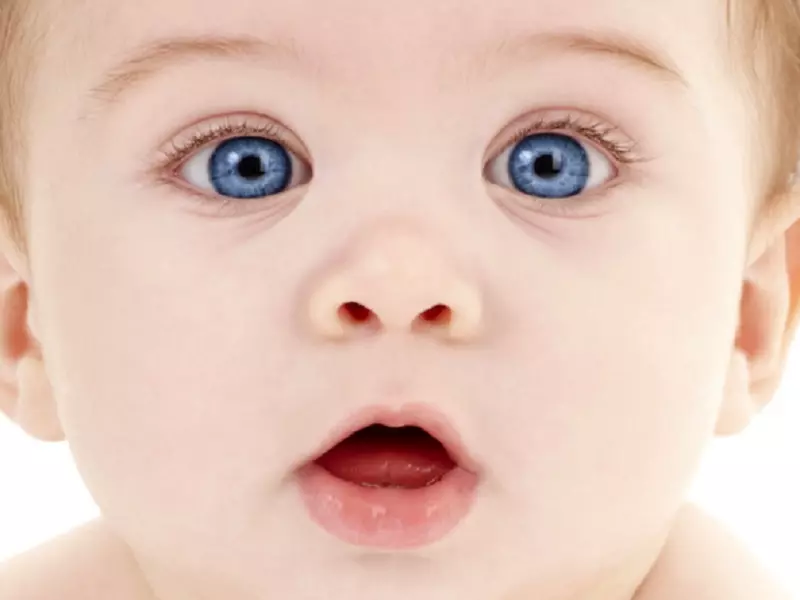
Child’s Eye Color Based on Parents’ Eye Colors
Eye colors have always been a topic of genetic curiosity for many people. What is the child’s eye color based on eye colors, and how is this color determined? In this article, we will take an in-depth look at eye color genetics and the possible outcomes of eye color combinations.
What Is the Child’s Eye Color Based on Eye Colors?
While every parent wonders what their child will look like, eye color is often one of the first traits considered. When people ask what will the child’s eye color be based on the parents’ eye colors, they turn to genetics for answers. Eye color is determined by the interaction of genes, and this process can be quite complex.
Eye color depends on the amount of pigment in the iris. There are various colors such as brown, blue, green, and, more rarely, gray. Brown eyes are generally the most common because the brown pigment is considered a dominant genetic trait. Therefore, if one of the parents has brown eyes, the child is most likely to have brown eyes as well.
However, predicting eye color is not that simple. Genetic factors and gene combinations play a role in determining the final eye color. For this reason, it is sometimes possible for two blue-eyed parents to have a brown-eyed child. The diversity of the genetic pool is one of the factors that makes eye color prediction difficult.
What Will the Child’s Eye Color Be Based on the Parents’ Eye Colors?
The question what will the child’s eye color be based on the parents’ eye colors is something that concerns many parents. Eye color genetics is based on Mendel’s laws of inheritance but has a more complex structure. Genetically, eye color is determined by several different genes, and the interaction between these genes results in a wide variety of possible outcomes that are difficult to predict.
For example, children of two brown-eyed parents are usually brown-eyed. However, if both parents carry a blue-eye gene, there is also a possibility that their child will have blue eyes. This situation can be explained by the combination of recessive genetic traits. Since the blue-eye gene is recessive, it can only appear if it is present in both parents.
Green eyes may be a combination of both brown and blue eye genes. Green eyes are generally less common because they appear through specific genetic combinations. This makes the probability of having a green-eyed child lower, but still possible.
Eye Color Genetics: Basic Information
Eye color genetics is too complex to be explained solely by Mendel’s laws. Many genes play a role in determining eye color, and the interactions between these genes lead to the final eye color. To estimate the child’s eye color based on eye colors, it is important to understand these genetic foundations.
Eye color is mainly determined by two genes: OCA2 and HERC2. The OCA2 gene is responsible for the production of brown pigment (melanin). The HERC2 gene regulates the expression of the OCA2 gene. The interaction of these two genes plays an important role in determining eye color. However, this is only part of the picture; there are other genes that also influence eye color.
Genetics includes many factors that determine a person’s appearance. Genes affecting eye color can also interact with environmental factors. For example, some studies have shown that different lighting conditions may cause slight changes in eye color. All these factors help us understand the complex nature of eye color.
How Is Eye Color Determined?
Eye color is determined by the complex interaction of genetic and environmental factors. When looking for the answer to what will the child’s eye color be based on the parents’ eye colors, it is important to understand how these factors come together. Eye color is a result of genetic inheritance and is determined by genes passed down from parents.
The main determining genes, OCA2 and HERC2, influence whether the eye color will be brown or blue. The combinations of these genes determine the tone and intensity of eye color. For example, brown eye color is dominant and therefore more common than blue eye color. However, if both parents carry blue-eye genes, there is also a chance that the child will have blue eyes.
Environmental factors also play a role in determining eye color. For example, babies are usually born with lighter-colored eyes. Over time, the pigments that determine eye color develop, and the color becomes permanent. This process usually takes place during the first few months of infancy, and the final eye color becomes more distinct during this period.
Different Eye Colors and Genetic Transmission
Different eye colors occur due to genetic diversity and gene combinations. Eye color varies depending on pigmentation levels, which are controlled by genetic factors. The question of how the child’s eye color is determined based on eye colors can be understood by examining these genetic transmission pathways.
Brown Eyes: The most common eye color, brown, is associated with high melanin levels. As a genetically dominant trait, brown eyes usually override other colors.
Blue Eyes: Blue eyes have a lighter appearance due to low melanin levels. As a recessive trait, blue eyes appear only when both parents carry blue-eye genes.
Green Eyes: Green eyes, which are rarer, contain a moderate level of melanin. They occur through specific combinations of brown and blue eye genes.
These genetic transmission pathways show the complexity of predicting a child’s eye color based on the parents’ eye colors. Each eye color has a different genetic basis, and this foundation determines how eye color is inherited.
Effects of Eye Colors: Beauty and Personality
Eye colors, beyond their aesthetic appeal, may also be associated with personality traits. In many cultures, eye color is linked to beauty standards, and these standards influence how eye color is perceived. When answering the question of what the child’s eye color will be based on the parents’ eye colors, it is also important to consider the social and cultural effects of eye colors.
Eye color can influence how individuals express themselves. For example, blue eyes are often associated with calmness and trust, while brown eyes are associated with warmth and sincerity. Such perceptions may shape people’s social interactions and self-perception.
Although the effects of eye color on personality are not scientifically proven, many people are influenced by these perceptions. Eye color can affect how individuals see themselves and how they are perceived by others. Therefore, eye color is not only a genetic trait but also a part of social identity.
Parents’ Eye Color Combinations and Outcomes
The combinations of parents’ eye colors play an important role in determining the child’s eye color. Different combinations can lead to different outcomes, forming the basis of genetic predictions. When looking for the answer to how the child’s eye color will be based on eye colors, it can be helpful to examine these combinations.
Mother’s Eye Color – Father’s Eye Color – Possible Child Eye Colors
Brown – Brown – Brown, Blue, Green
Brown – Blue – Brown, Blue
Brown – Green – Brown, Green
Blue – Blue – Blue
Blue – Green – Blue, Green
Green – Green – Green, Blue
This table visualizes the possible outcomes of eye color combinations and helps us understand how genetic factors work. Each combination can result in different genetic interactions, explaining the diversity of eye colors.
 Call
Call
 Whatsapp