
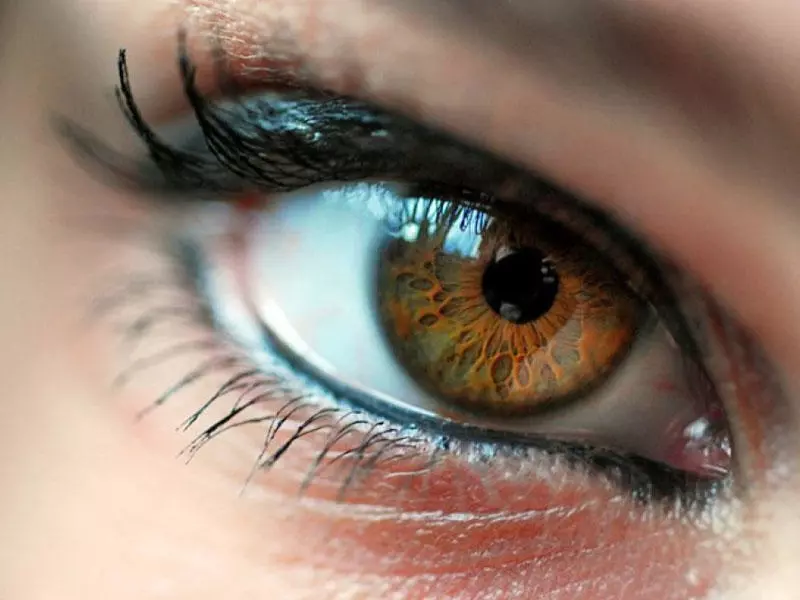
Brown Eyes and Blue Eyes
Eye color is an important part of our personal identity and appearance. The question of whether brown eyes can be blue may be intriguing for those who are curious about the scientific foundations behind eye color. In this article, we will explore how eye colors form, the characteristics of brown and blue eyes, and their genetic basis. We will also discuss the advantages of both eye colors.
Characteristics of Brown Eyes
Brown eyes are the most common eye color found in a large portion of the world’s population. This eye color is determined by the iris containing a high amount of melanin pigment. Melanin not only defines eye color but also helps protect the eyes from harmful ultraviolet (UV) rays of the sun. Therefore, people with brown eyes are generally less sensitive to sunlight.
The deep and warm tones of brown eyes are considered symbols of beauty and wisdom in many cultures. This eye color can combine with shades such as green, gold, and even blue to create a unique and striking appearance. Although brown eyes are often seen in individuals with darker skin tones, they can be found in all ethnic groups.
Some studies on personality traits suggest that individuals with brown eyes are perceived as more trustworthy and friendly. However, these are generalizations and should not overlook individual differences. Still, such positive associations may make brown eyes even more appealing.
Characteristics of Blue Eyes
Blue eyes are a rarer feature worldwide and are more commonly found in Europe. The unique color of blue eyes results from the low amount of melanin in the iris and the way light is scattered within it. This causes light to refract, making the eyes appear blue.
Blue eyes often convey a cool, calm, and mysterious impression. This eye color can appear in different shades depending on lighting conditions, which makes it highly captivating. Individuals with blue eyes may have variations such as icy blue, ocean blue, or gray-blue, adding to their uniqueness.
Due to their genetic structure, blue eyes may be more sensitive to sunlight. Therefore, it is important for individuals with blue eyes to protect their eyes on sunny days. Maintaining both the beauty and health of the eyes contributes to overall well-being.
Differences Between Brown and Blue Eyes
The differences between brown and blue eyes are largely related to melanin levels. High melanin in brown eyes gives them a darker appearance, while low melanin in blue eyes, combined with light scattering, results in a lighter color. This fundamental difference causes the two eye colors to respond differently to environmental factors.
The aesthetic differences between the two are also noteworthy. Brown eyes convey warmth and depth, while blue eyes tend to create a cooler and more striking impression. These differences may influence personal preferences. For example, some people prefer a warm and friendly look, while others favor a more cool and mysterious appearance.
Although some studies suggest that certain eye colors may be associated with specific personality traits, these findings are not always definitive. However, eye color can play an important role in social perception and first impressions.
Genetic Basis of Eye Color
The genetic basis of eye color is a fascinating area of genetics. The genes that determine eye color are the result of a complex combination inherited from our parents. In particular, the OCA2 and HERC2 genes play a critical role in determining eye color. These genes regulate melanin production and distribution, leading to variations in eye color.
Eye color inheritance is not limited to the parents alone. Individuals with different eye colors in the family history can influence a child’s eye color. This reflects genetic diversity and how genes interact. For example, two brown-eyed parents can still have a blue-eyed child.
Advances in genetic research may allow more accurate predictions of eye color in the future. However, eye color is influenced not only by genetics but also by environmental factors. The way eye color may change over time or appear differently under varying lighting conditions reflects this complex interaction.
Advantages of Brown Eyes
Brown eyes offer several advantages, which is one reason why they are so common worldwide. First, because they contain more melanin, brown eyes provide better protection against harmful UV rays from the sun. This is an important benefit for maintaining eye health.
Brown eyes also tend to pair well with different skin tones and hair colors. This versatility makes it easier to express personal style and aesthetics. Brown eyes complement natural makeup tones and enhance everyday appearance.
From a social perspective, brown eyes are often associated with warmth and reliability. These qualities can be advantageous in social relationships and professional communication. People with brown eyes are often perceived as more approachable and friendly.
Advantages of Blue Eyes
Blue eyes have their own unique advantages that make them appealing. Due to their rarity, blue eyes are often considered special in many cultures. This uniqueness can make individuals with blue eyes stand out in a crowd.
Aesthetically, blue eyes can be easily combined with various fashion and makeup styles. Bright and bold colors create a striking contrast with blue eyes, enhancing visual appeal. Due to their sensitivity to light, blue eyes may appear in different shades under varying lighting conditions, adding to their charm.
Another advantage of blue eyes is that they represent genetic diversity. Individuals with blue eyes typically have this trait as a result of specific genetic variations, reflecting the complexity and uniqueness of human genetics.
 Call
Call
 Whatsapp