


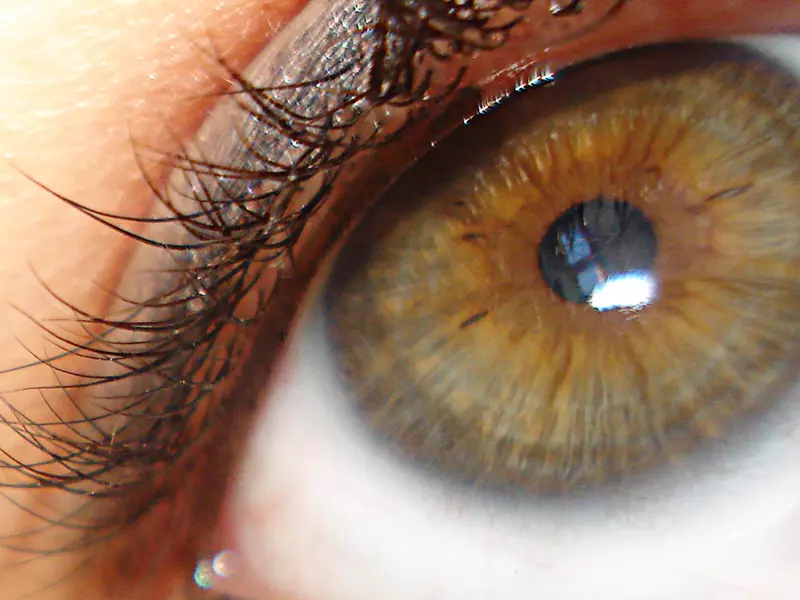
Having brown eye color is known as one of the most common eye colors worldwide. Brown eyes are eyes with a high amount of melanin pigment, and this pigmentation gives the eyes a dark tone. Brown eyes have a warm and deep appearance that causes them to be perceived differently by others. However, some people may want to turn their eye colors into lighter tones. This desire for change may stem from aesthetic concerns or personal preferences.
What Is Brown Eye Color?
Brown eyes are a very common eye color determined by genetic factors. Melanin accumulates in the iris part of the eye and causes a dark color. Generally, more melanin leads to darker brown eyes. Brown eyes can take on various tones under different light conditions; sometimes they may have an appearance close to golden yellow or green. This natural diversity makes brown eyes unique.
Among the advantages of brown eyes is that they provide more protection against sunlight. Melanin absorbs UV rays and protects the eyes from harmful effects. However, some people may consider changing their eye color for aesthetic reasons or to achieve a different appearance. This has become possible thanks to modern technologies.
Personal preferences may vary; while some see eye color change as an aesthetic improvement, others prefer to preserve their natural appearance. In both cases, eye color change procedures should be evaluated carefully.
What Is Laser Eye Color Change?
Laser eye color change is a technology that aims to lighten eye color by targeting the melanin pigment located on the iris. This method offers the possibility of permanently changing eye color. The melanin focused on by the laser is broken down and removed from the eye, and thus the eye color takes on a lighter tone. Laser treatment is a fast and generally painless procedure, but its results are permanent and irreversible.
Laser eye color change is usually applied in several sessions. Each session helps gradually reduce the melanin pigment. During this process, special glasses are used to protect the eyes, and minimal discomfort is felt during the procedure. However, temporary blurriness may occur in the eye after the procedure, and care should be taken throughout the healing process.
Although this procedure is effective, it may not be suitable for everyone. An evaluation should be made in terms of eye health, and a detailed consultation should be held with the doctor. Laser eye color change should only be performed by experienced and licensed professionals.
Laser Depigmentation Process
The laser depigmentation process aims to lighten eye color by reducing the amount of melanin in the eye. This procedure may take several weeks or months and may vary depending on each individual’s eye structure. The process generally consists of the following steps:
Evaluation and Consultation: First, a detailed evaluation is performed by an eye specialist. This is necessary to determine your eye health and suitability.
Laser Application: The procedure begins with laser settings determined according to your eye structure. The laser targets melanin pigments and lightens eye color by breaking them down.
Healing Process: After the laser application, there may be mild discomfort and blurriness in the eyes. During this process, it is recommended that you protect your eyes from excessive light and dust.
Laser depigmentation requires careful planning and application. Its side effects may include mild irritation and temporary blurred vision, but these effects are usually short-term. With the guidance of a specialist doctor, the process can be completed safely and effectively.
Eye Color Lightening with Lumineyes
Lumineyes is a laser technology used in the field of eye color lightening. This technology targets melanin pigments using low energy levels and lightens eye color. Lumineyes is designed especially for people with sensitive eye structures and offers a minimally invasive method.
Eye color lightening with Lumineyes is usually performed in short sessions of 10-15 minutes. There are certain intervals between each session, and the total process may take several weeks. During the procedure, a slight feeling of heat or discomfort may be felt in the eyes, but these effects are usually short-term.
Among the advantages of Lumineyes are its low risk profile and minimal side effects. However, it is important for individuals considering this procedure to have a detailed preliminary consultation with a specialist doctor. Each individual’s eye structure is different, and personalized planning should be made to achieve the best result.
How Is Eye Color Change Performed in Türkiye?
Türkiye hosts many options in the field of eye color change. Especially in large cities such as Ankara, it is possible to find experienced specialists and modern clinics. Eye color change procedures in Türkiye have become a popular destination for international patients by offering affordable costs and high-quality services.
In clinics in Türkiye, methods such as laser eye color change and Lumineyes are widely used. Both methods are applied safely by experienced ophthalmologists. Before the procedure, a comprehensive evaluation is performed, and a personalized treatment plan is created by taking the patient’s expectations into consideration.
Those who prefer Türkiye for the eye color change procedure generally make this decision because of the cost-effectiveness of the procedure and high health standards. However, it should not be forgotten that the care and follow-up process after the procedure is also important. Clinics offering such services in Türkiye generally provide a comprehensive care and follow-up process.
Care After Eye Color Change Procedure
After the eye color change procedure, there are several important care steps that should be taken into consideration. These steps are necessary to speed up the healing process and prevent possible complications. Post-procedure care is important for protecting eye health.
Rest the Eyes: It is important to rest your eyes after the procedure. For the first few days, avoid bright lights and do not strain your eyes excessively.
Medication Use: Use the drops and medications recommended by your doctor regularly. This helps reduce the risk of infection and supports the healing process.
Do Not Neglect Check-ups: Do not neglect your periodic follow-up appointments after the procedure. Your doctor will monitor your healing process and recommend additional treatments if necessary.
During the healing process, if you feel any unusual condition or discomfort, contact your doctor immediately. Eye health is a priority that should be taken into consideration, and following doctor recommendations during the post-procedure care process is very important.