
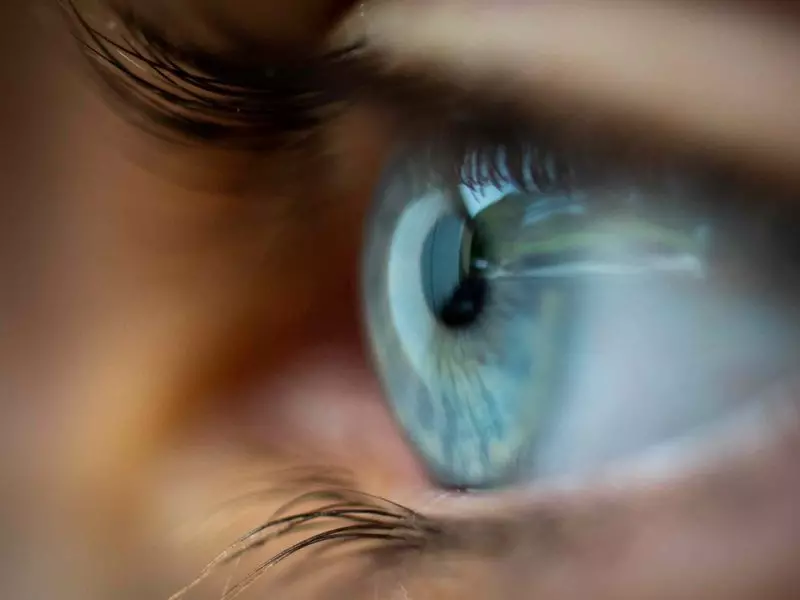
Blue Eye Ratio in the World
Eye color diversity across the world is quite remarkable. Among these variations, blue eyes hold a special place. However, the percentage of blue-eyed individuals globally is not as high as many might assume. Research indicates that approximately 8–10% of the world’s population has blue eyes. This rate can vary depending on geographic regions and genetic factors.
Blue eyes are most commonly found in Northern European countries such as Sweden, Norway, and Denmark. In addition, certain regions of North America and Australia also show relatively higher percentages. In contrast, blue eyes are extremely rare in continents like Asia and Africa.
The relatively low global percentage of blue eyes makes them even more distinctive. This rarity often contributes to their perceived attractiveness. However, beyond their visual appeal, the genetic structure and historical development of blue eyes provide important scientific insights.
Genetic Structure of Blue Eyes
The genetic structure of blue eyes is based on a complex combination of factors. Eye color is influenced by two main pigments: melanin and lipochrome. Melanin creates darker tones, while lipochrome contributes to lighter shades. In blue eyes, low melanin levels result in a lighter appearance.
Blue eyes are primarily associated with the interaction between the OCA2 and HERC2 genes. The OCA2 gene regulates melanin production, while the HERC2 gene controls the activity of OCA2. Specific variations of these genes working together lead to the appearance of blue eyes.
Genetically, blue eyes are considered a recessive trait. This means that both parents need to carry the genetic variation for a child to have blue eyes. This explains why the global percentage remains relatively low.
Blue Eye Ratio by Countries
The frequency of blue eyes varies significantly across countries due to historical migration, genetic diversity, and geographic isolation.
Northern Europe: Countries such as Sweden, Norway, and Denmark can have blue eye rates of up to 70%.
North America: In the United States and Canada, the percentage ranges between 20–30%, influenced by European ancestry.
Australia: Around 25% of the population has blue eyes, again linked to European heritage.
Asia and Africa: Blue eyes are extremely rare, with very low occurrence rates.
These differences highlight the strong influence of genetics and geography on eye color distribution.
Historical Development of Blue Eye Ratio
The origin of blue eyes dates back thousands of years. It is believed that the first blue-eyed individuals appeared between 6,000 and 10,000 years ago, possibly around the Black Sea region, as a result of a genetic mutation.
Over time, migration and population movements spread this genetic trait across different regions, particularly throughout Europe. In more isolated populations, the trait became more common.
Today, the percentage of blue eyes may be gradually decreasing due to global population mixing. However, their rarity and distinct appearance continue to attract attention.
Effects of Blue Eyes on Health and Vision
Blue eyes are not only visually distinctive but may also be associated with certain sensitivities. Lower melanin levels can make individuals more sensitive to bright light.
- Light Sensitivity: Blue-eyed individuals may experience greater sensitivity to sunlight.
- Night Vision: Some observations suggest potential advantages in low-light conditions.
- Health Risks: Lower melanin levels may be linked to a higher likelihood of certain eye conditions.
These effects can vary from person to person, but maintaining eye protection is generally recommended.
Characteristics of People with Blue Eyes
Certain traits are often associated with blue-eyed individuals, although these are general perceptions rather than fixed rules.
- Attractiveness: Blue eyes are widely considered visually appealing.
- Sensitivity: They are sometimes associated with emotional sensitivity and empathy.
- Cultural Perception: In some cultures, blue eyes symbolize nobility and distinction.
While these characteristics are often mentioned, individual differences always play a more important role.
 Call
Call
 Whatsapp