
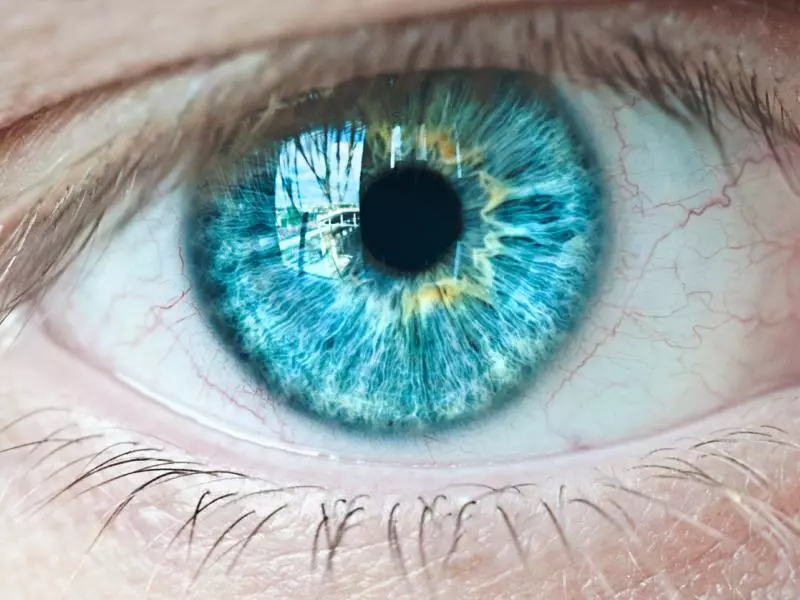
Blue Eye Colors and Their Names
Blue eyes are generally considered rare and highly striking. They attract attention with their different shades of blue and unique variations. The percentage of people in the world who have blue eyes is relatively low, which makes them even more special. Among the various blue eye colors are shades such as ice blue, sky blue, and turquoise. Each shade may appear different depending on the individual’s eye structure and environmental conditions.
Blue eyes are often categorized into different groups in studies related to blue eye colors and their names. The reason for this classification is that each shade of blue offers its own distinctive beauty and depth. For example, light blue eyes often appear brighter and more striking, while dark blue eyes can create a deeper and more thoughtful impression. This variety makes blue eyes even more fascinating.
The different types and tones of blue eyes not only provide aesthetic appeal but also offer clues about how light is refracted and how the eye is structured. The density and distribution of pigments within the eye are the main factors that determine the specific shade of blue.
Blue Eye Colors and Their Names: Shades and Characteristics of Blue Eyes
The shades of blue eyes vary depending on how light reflects and interacts with the internal structure of the eye. Light blue eyes typically contain less melanin, which allows more light to reach the back of the eye. As a result, light blue eyes often appear brighter and more eye-catching. In contrast, dark blue eyes contain more melanin, which causes more light to be absorbed and gives the eyes a deeper and more intense appearance.
Research on blue eye colors and their names suggests that different shades can sometimes be associated with distinct visual characteristics. For example, ice blue eyes may create a cool and crisp impression, while sky blue eyes may appear warmer and more inviting. These variations can significantly influence a person’s overall appearance and facial expression.
The various shades of blue eyes not only contribute to visual aesthetics but may also reflect emotional depth. Some people believe that blue eyes are linked with empathy and sensitivity, suggesting that blue eyes may convey not only physical beauty but also emotional richness.
Blue Eye Colors and Their Names: The Genetic Structure of Blue Eyes
The genetic structure of blue eyes is both complex and fascinating. According to genetic science, blue eyes occur due to the low level of melanin pigment in the eyes. Melanin is the primary pigment that determines eye color, and its quantity directly affects the shade of the eyes. Blue eyes are usually inherited through recessive genes, which contributes to their relative rarity.
The genetics of eye color also provide interesting insights into how traits are passed from parents to children. Studies related to blue eye colors and their names indicate that blue eyes are most commonly found in children whose both parents have blue eyes. However, due to complex genetic combinations, there are rare cases in which two brown-eyed parents may have a child with blue eyes.
This genetic structure not only determines eye color but may also relate to certain inherited traits or conditions. Because of this, the genetics of blue eyes remain a continuing subject of research for scientists studying eye health and genetic variations.
Blue Eye Colors and Their Names: The Place of Blue Eyes in Society
Throughout history, blue eyes have carried different meanings and perceptions in society. In many cultures, blue eyes are regarded as a symbol of beauty and rarity. For this reason, individuals with blue eyes are often perceived as especially attractive or distinctive. In art and literature throughout history, blue eyes have frequently symbolized purity and innocence.
In modern society, blue eyes continue to hold a special place. Blue eye colors and their names are often highlighted in social media and popular culture. Many celebrities are known for their blue eyes, which contributes to the continued popularity of this eye color. People with blue eyes are often perceived as having a unique charm and appeal.
The role of blue eyes in society goes beyond aesthetics. Their rarity and uniqueness can influence personal experiences and social interactions. As a result, individuals with blue eyes are often proud of this distinctive feature, which continues to be admired across different cultures and generations.
 Call
Call
 Whatsapp