
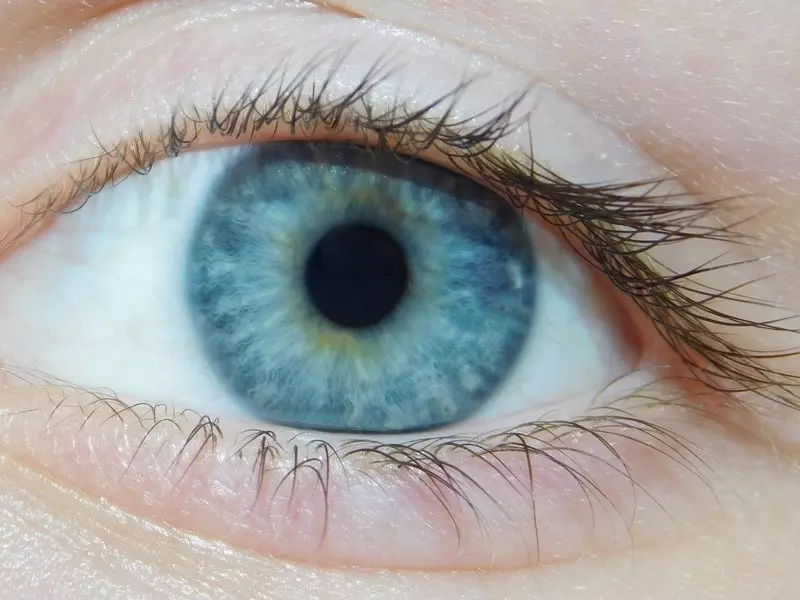
Blue Colored Eyes
Blue colored eyes are an interesting subject both aesthetically and scientifically. Blue eyes generally attract attention with their light tones and occur as a result of genetic factors. The pigment called melanin plays an important role in determining eye color. The amount and distribution of melanin are among the main factors affecting eye color. In blue eyes, the melanin level is low, which causes light to scatter differently within the eye.
The appeal of blue eyes is not limited to aesthetics; they have carried different meanings in many cultures throughout history. For example, in some cultures, blue eyes have been considered a symbol of luck or wisdom. In addition, the fact that blue eyes are generally rarer than more common brown or hazel tones makes them more unique and eye-catching.
Although it may seem like a simple color variation at first glance, there is a complex genetic structure behind blue eyes. This eye color emerges as a result of specific combinations of genes inherited from parents. Some studies suggest that blue eyes originate from a single common ancestor. This makes them a genetic mystery and attracts the attention of scientists.
Characteristics of Blue Colored Eyes
The characteristics of blue eyes include several distinctive factors that set them apart from other eye colors. First, due to their low melanin levels, blue eyes reflect light differently, making them appear brighter and more striking. Blue eyes often stand out more in outdoor environments because of their unique interaction with natural light.
Blue eyes generally have a sensitive structure and may be more sensitive to light. This can cause discomfort, especially under bright sunlight. Therefore, it is often recommended that individuals with blue eyes use sunglasses. This sensitivity may require people with blue eyes to pay more attention to their eye health.
From an aesthetic perspective, blue eyes are considered attractive by many people. In the cinema and fashion industries, models and actors with blue eyes are often preferred. This increases the place and appeal of blue eyes in popular culture. The different shades and depths of blue eyes make them unique for each individual.
Blue Colored Eyes and Genetics
The genetic structure of blue eyes is quite complex and has historically attracted the attention of scientists. Genetic factors are among the most important elements determining an individual’s eye color. Blue eyes are considered an autosomal recessive trait, meaning that a person must inherit the blue-eye gene from both parents to have blue eyes.
The genetic origin of blue eyes remains a mystery for researchers. Some theories suggest that blue eyes appeared approximately 6,000 to 10,000 years ago and originated from a single ancestor. This means that blue eyes are not very common and have historically been more frequent in certain geographical regions.
According to genetic studies, several genes determine eye color, but the OCA2 and HERC2 genes play a significant role in the formation of blue eyes. These genes are critical in the emergence of blue eyes and contribute to their distribution. With the advancement of genetic science, it has become possible to learn more about the origin and development of blue eyes.
Prevalence of Blue Colored Eyes in the World
The prevalence of blue eyes worldwide varies depending on geographical and genetic factors. Regions with the highest number of blue-eyed individuals are generally Northern Europe and surrounding areas. In these regions, blue eyes have historically been more common and make up a significant portion of the population.
Outside of Northern Europe, blue eyes are generally rare. For example, in regions such as Asia, Africa, and Latin America, the proportion of blue-eyed individuals is quite low. These geographical differences can be explained by factors such as genetic diversity and historical migrations. The rarity of blue eyes makes them more unique and attention-grabbing.
The global distribution of blue eyes is an interesting topic for genetic research. Genetic mapping studies examine genetic differences in specific regions and the spread of blue eyes. Such research helps us gain more insight into the genetic history and diversity of humanity.
Care and Beauty of Blue Colored Eyes
The beauty of blue eyes can be further enhanced with proper care and attention. For individuals with blue eyes, maintaining eye health and highlighting their appearance may require certain care practices. First, regular eye examinations are important for eye health. This helps with the early detection of any potential eye problems.
The light sensitivity of blue eyes creates a need to protect them from the harmful effects of the sun. Wearing sunglasses helps protect against UV rays and allows blue eyes to feel more comfortable. In addition, individuals with blue eyes who use contact lenses should pay extra attention to lens hygiene and care.
From a beauty perspective, blue eyes can be emphasized further with the right makeup techniques. Smoky eye makeup or eyeshadows in natural tones can enhance the depth of blue eyes. Light-toned eyeliners and mascaras can also be preferred to highlight the natural beauty of blue eyes. These methods help blue eyes appear more unique and striking.
 Call
Call
 Whatsapp