
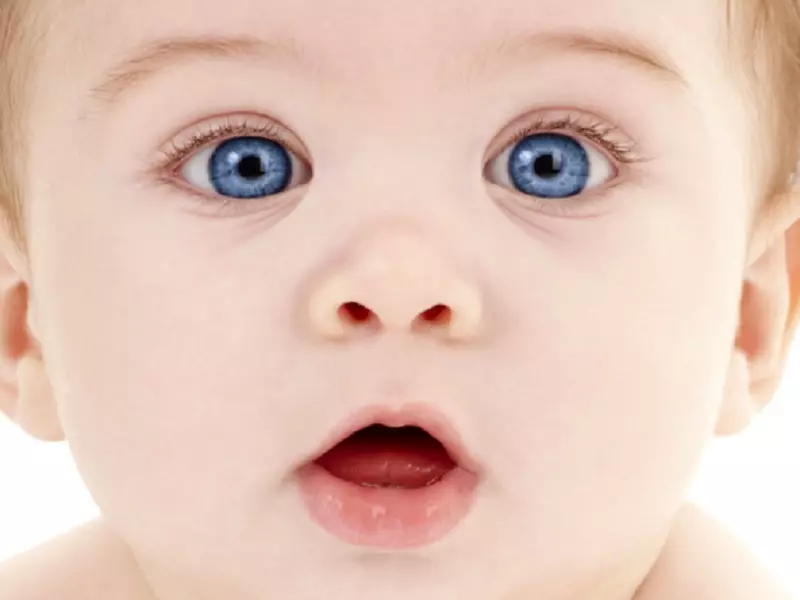
Baby Eye Colors
When babies are born, their eyes often appear blue or gray. This is due to low melanin production at birth. Melanin is the pigment responsible for eye color, and in newborns, it has not yet fully developed. As a result, a baby’s eye color may change over time, with the true color becoming more noticeable within a few months.
The blue or gray eye color seen in newborns may shape parents’ expectations. However, assuming this color is permanent would be incorrect. In the following months, eye color may shift to brown, green, or other shades. Eye color typically becomes more stable between six and twelve months of age.
Eye color varies depending on genetic factors. The parents’ eye colors and genetic backgrounds are among the most important influences on a baby’s final eye color. For this reason, predicting eye color in advance can be quite difficult.
How Do Eye Colors Form?
Eye color is determined by the pigmentation of the iris, the colored part of the eye. The iris controls the amount of light entering the eye, and the melanin pigment found there creates eye color. The amount and distribution of melanin result in different eye colors. The more melanin present, the darker the eye color; the less melanin, the lighter the eye color.
Eye colors are generally grouped into three main categories: brown, blue, and green. Brown eyes are the most common due to their high melanin content. Blue eyes contain less melanin, which causes light to scatter differently and creates blue tones. Green eyes typically have a moderate amount of melanin and result from a combination of pigmentation and light reflection.
Melanin production is controlled by our genetic code. Each individual inherits genes from their parents that influence melanin levels. Therefore, genetic inheritance plays a decisive role in eye color formation.
Eye Color Changes in Babies
A baby’s eye color may change during the first few months after birth. Eyes that initially appear blue or gray can gradually shift as melanin production increases. This process usually begins around six months of age and may continue until the baby turns one. In some cases, eye color changes may continue until the age of two.
For parents, this transition can be an exciting experience. Subtle changes observed in the early months often become more noticeable over time. For example, blue eyes may slowly transition into green or brown. This shift is linked to increasing melanin production and distribution in the iris.
During this period, lighting and environmental conditions should also be considered. Different types of light and brightness levels can temporarily affect how eye color appears. Observing your baby’s eyes in natural daylight can provide a clearer sense of their true color.
Characteristics of Different Eye Colors
Eye color is not only an aesthetic feature but may also relate to certain physical characteristics. Brown eyes contain higher levels of melanin, which can provide better protection against sunlight. This may make brown-eyed individuals somewhat more resistant to the harmful effects of UV rays.
Blue eyes contain less melanin and may therefore be more sensitive to bright light. Individuals with blue eyes may experience discomfort in strong sunlight, making sunglasses especially useful. However, lower melanin levels may allow for better light sensitivity in dim conditions.
Green eyes are relatively rare and typically result from a blend of blue and brown pigmentation. Green-eyed individuals may adapt well to both low and bright light conditions. Green eyes are often culturally associated with strength and determination, though such traits are general perceptions rather than scientific facts.
The Genetic Relationship of Eye Color
Eye color is determined by genetic factors and is inherited through complex genetic patterns. Each individual inherits genes from both parents that influence eye color. These genetic combinations are the primary determinants of a baby’s final eye color.
The genes responsible for eye color operate through a complex interaction network. Two main gene groups play a significant role in determining eye color. These genetic interactions account for the common eye colors seen in humans, such as brown, blue, and green. The eye colors of both parents can provide clues about possible outcomes.
Although genetics plays a major role, it does not provide absolute certainty. For example, even if both parents have brown eyes, the baby may not necessarily have brown eyes. Genetic diversity can produce different results, making exact predictions challenging.
Factors That Influence Baby Eye Color
Several factors influence a baby’s eye color. Genetic inheritance is the primary factor, as parents’ eye colors directly impact the baby’s eye color. However, environmental elements may also affect how eye color appears.
Lighting conditions can influence how eye color is perceived. Under sunlight, blue eyes may appear brighter, while under artificial lighting, they may look softer or paler.
Health status and nutrition may also play roles in overall eye health. Maintaining proper nutrition and protecting eyes from harmful light exposure support healthy eye development. Regular eye check-ups are important to monitor vision and ensure healthy growth.
Frequently Asked Questions About Baby Eye Color
When does a baby’s eye color become permanent?
Eye color usually stabilizes between six and twelve months, although in some children it may continue to change until around age two.
How do parents’ eye colors affect a baby’s eye color?
Parents’ eye colors influence the baby’s eye color through genetic inheritance. However, due to genetic variation, precise prediction is not always possible.
What affects changes in baby eye color?
Genetic inheritance, melanin production, lighting conditions, and environmental factors all contribute to the final eye color.
 Call
Call
 Whatsapp