


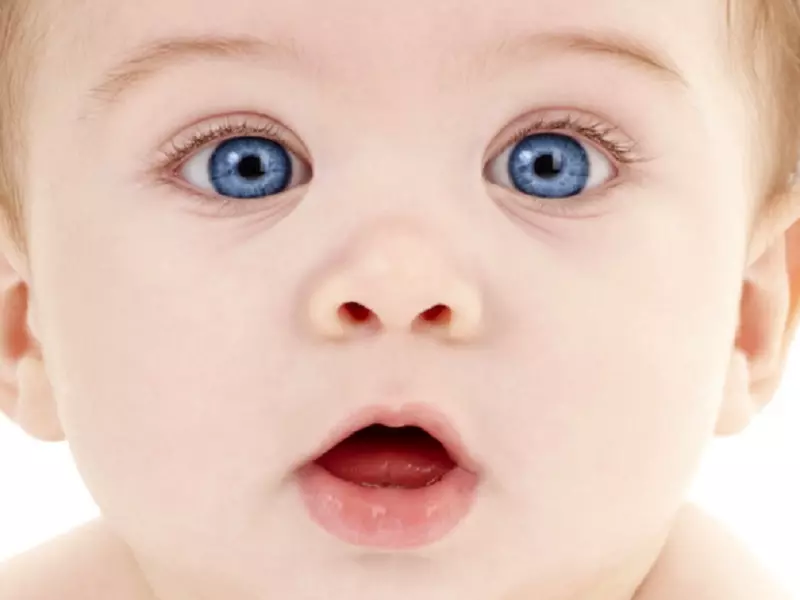
A baby eye color test is an evaluation conducted to predict the possible eye color of an unborn or newly born baby. This test analyzes the effects of genetic factors on eye color and presents possible outcomes. A baby eye color test can help parents gain more insight into their baby’s future appearance.
A baby’s eye color is part of a complex genetic puzzle. The eye colors of the parents largely influence the child’s eye color, but due to genetic diversity, unexpected results can sometimes occur. A baby eye color test can serve as a tool to understand this genetic inheritance and evaluate possible outcomes for the future.
This test is generally carried out using algorithms and genetic analyses developed by specialists. Through these methods, parents and families can gain more information about their baby’s potential eye color and shape their expectations for the future.
Importance of the Baby Eye Color Test
The importance of a baby eye color test goes beyond simply satisfying parents’ curiosity about their baby. It also provides valuable insights into how genetic inheritance works. By using this test, parents may better understand their child’s genetic structure and consider potential health-related aspects as well.
Eye color is not only an aesthetic feature but can sometimes be linked to certain genetic conditions. In some cases, particular eye colors may be associated with specific genetic disorders. In this context, a baby eye color test may offer an opportunity to identify potential health concerns early, providing a starting point for a healthy life.
In conclusion, a baby eye color test can help families better understand their child’s genetic structure and possible health risks. This allows parents to make informed decisions and proactively consider their child’s future well-being.
How Is a Baby’s Eye Color Determined?
Determining a baby’s eye color is generally a complex process based on genetic information. Eye color results from the combination of iris pigmentation and genetic factors. Therefore, both the mother’s and the father’s genetic information are considered when predicting a baby’s eye color.
One of the most important factors in determining eye color is the amount and distribution of the pigment melanin. Melanin is a pigment found in the iris layer of the eye and is the main factor affecting eye color. Babies are often born with lighter eye colors because melanin development continues after birth.
Genetic tests used to predict eye color analyze information about the eye colors of the parents and other family members. Genetic specialists evaluate this information to estimate the probabilities of which eye color a baby may have.
How Is a Baby Eye Color Test Performed in Ankara?
For families who wish to have a baby eye color test in Ankara, several options are available. As the capital city, Ankara offers a wide range of healthcare services, and many specialists provide services related to genetic testing. Families who want to take this test in Ankara generally consult clinics that offer genetic counseling services.
In clinics that provide such services in Ankara, the genetic information and family background of the parents are collected and analyzed. Genetic specialists then evaluate this data to estimate the possible eye color of the baby. By examining the family’s genetic history, specialists aim to make the most accurate prediction possible.
Families who wish to have a baby eye color test are usually advised to schedule an appointment in advance at clinics in Ankara. This allows specialists to conduct a detailed evaluation and provide more accurate results.
Genetic Factors and Eye Color
Eye color is determined through a complex interaction of genetic factors. Genetic information inherited from both parents shapes a baby’s eye color. The genes responsible for eye color control the amount and distribution of melanin in the eyes. The most common eye colors are brown, blue, and green, although many different shades and combinations are possible.
Genetic science offers many tools for understanding how eye color is inherited. For example, certain genetic tests analyze the genetic profiles of parents to predict which genes may be passed on to the baby. These tests may help identify not only eye color but also other genetic traits.
Eye color can be influenced not only by genes inherited from parents but also by genetic mutations and variations. For this reason, genetic analyses and tests play an important role in more accurately predicting a baby’s eye color and other genetic characteristics.
Results of a Baby Eye Color Test
The results of a baby eye color test allow families to gain more information about their baby. These tests present different eye color possibilities based on genetic analyses. However, the accuracy of the results cannot always be guaranteed because genetic diversity and environmental factors can influence eye color.
Test results generally show probabilities, and unexpected outcomes may sometimes occur. For example, two blue-eyed parents might have a child with brown eyes, which could be the result of genetic mutations or inherited genes from earlier generations. Therefore, test results should always be considered as predictions rather than definitive outcomes.
Parents can use the results of a baby eye color test to shape their expectations and future plans. However, it is important to remember that these tests are only a guide and that focusing on the baby’s overall health and happiness is far more important.