


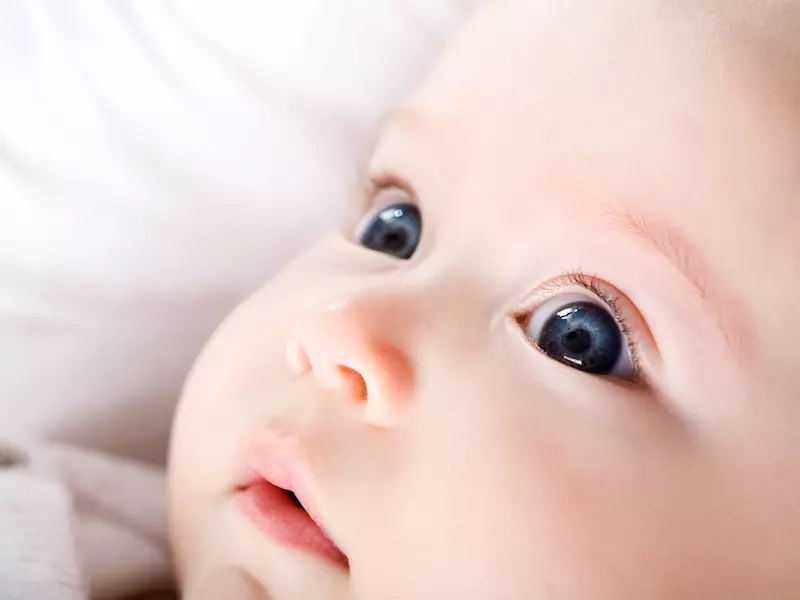
Babies with colored eyes are infants who are born with eye colors that stand out. These babies usually have lighter eye colors such as blue, green, or hazel. For many families, this can be an interesting topic. While parents are curious about what their baby’s eye color will be, they also want to understand why and how colored eyes occur.
Colored eyes develop depending on the amount and distribution of melanin pigment in the iris. Melanin is the main substance that determines eye color. When babies are born, there is usually very little melanin in their eyes, which is why many newborns have blue eyes. Over time, as the amount of melanin changes and increases, the eye color may also change.
A baby’s eye color is mainly determined by genetic factors. The combination of the parents’ eye colors is one of the most important factors influencing the baby’s eye color. However, genetic inheritance only provides a possibility and does not guarantee a specific result. Therefore, a baby’s eye color may change unexpectedly over time.
Characteristics of Babies with Colored Eyes
One of the most noticeable characteristics of babies with colored eyes is that their eye colors are striking and often less common. Colors such as blue, green, or hazel are seen less frequently than darker shades like deep brown. These eye colors can add depth and charm to a baby’s facial expressions. Colored eyes may also become a focal point during social interactions and often attract attention from others.
Colored eyes can appear in different shades depending on lighting and environment. For example, blue eyes may sometimes appear gray or turquoise, making the baby’s appearance even more interesting. This variable nature of eye color can create different looks in photos or videos of the baby. Such moments often help families create memorable memories.
On the other hand, babies with colored eyes may be more sensitive to sunlight. Lower melanin levels mean that the eyes filter sunlight less effectively. For this reason, it is important to provide appropriate protection when these babies spend time outdoors. Taking precautions such as using sunglasses or staying in shaded areas can help protect eye health.
Changes in Eye Color
A baby’s eye color may show noticeable changes during the first few years of life. Eyes that are blue at birth may eventually turn brown or another color over time. This transformation most commonly occurs between six months and two years of age. For babies with colored eyes, this process can be both exciting and intriguing.
Changes in eye color are related to the increase or decrease of melanin in the iris. Melanin is a pigment that darkens eye color and may accumulate in the eye over time, causing the color to change. This process can accelerate or slow down depending on both genetic and environmental influences.
Parents who eagerly wait to see their child’s final eye color should remember that this change is a natural part of development. Genetic inheritance can influence how and how long this change will occur, but making an exact prediction is usually difficult. Therefore, it is important to be patient and enjoy this natural process as it unfolds.
Genetic Structure of Babies with Colored Eyes
Babies with colored eyes may have different eye colors because of their genetic structure. Genetics is the most important factor determining eye color, and it results from the interaction of multiple genes. The combination of genes controlling eye color is inherited from the parents and shapes the baby’s eye color.
The complexity of genetic structure can make predicting eye color difficult. For example, it is possible for two brown-eyed parents to have a baby with blue eyes. This situation can be explained by the presence of recessive genes in the genetic pool. Recessive genes are not dominant but can become expressed when inherited from both parents.
A baby’s eye color may also be influenced by family history, not only by the parents’ eye colors. The eye colors of grandparents or other relatives may play a role in determining the baby’s eye color. Understanding family history and genetic inheritance can provide a broader perspective on eye color development.
Factors That Affect Eye Color in Babies
Several factors influence a baby’s eye color. For babies with colored eyes, these factors can determine how and when eye color changes occur. Although genetics is the most important factor, other influences may also contribute to the formation of eye color.
Genetic Factors:
The eye color of parents is the main factor determining the baby’s eye color. The combination of dominant and recessive genes shapes the final eye color.
Environmental Influences:
Environmental conditions may also affect changes in eye color. For example, the amount and quality of light can influence melanin production and the speed of eye color changes.
Health Conditions:
In some cases, health conditions may also affect eye color. Conditions such as albinism can influence pigment production in the eyes and lead to differences in eye color.
Considering these factors can help parents better understand how a baby’s eye color forms and changes over time.
Care Tips for Babies with Colored Eyes
Caring for babies with colored eyes may require special attention. Because these babies are often more sensitive to light, taking appropriate precautions is important for maintaining eye health.
Sun Protection:
Babies with colored eyes may be more sensitive to sunlight. When spending time outdoors, it is helpful to use sunglasses or stay in shaded areas. Wide-brimmed hats can also provide good protection against sunlight.
Eye Hygiene:
Keeping a baby’s eyes clean and healthy is essential. A soft cloth can be used to gently clean the area around the eyes. If any irritation or redness is noticed, consulting a doctor is recommended.
Regular Check-Ups:
Regular eye examinations help detect potential problems early. Monitoring a baby’s eye health allows any abnormalities to be identified in time and supports overall eye development.
By following these care tips, parents can help babies with colored eyes grow healthy and happy. Eye health is an important part of overall well-being and should not be neglected.