
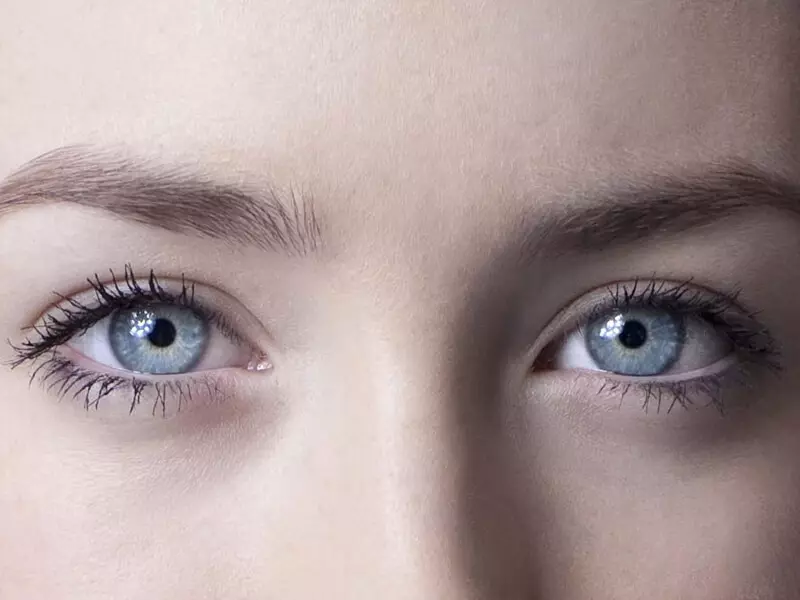
Are Colored Eyes More Sensitive?
Eye color is a feature that attracts attention and raises curiosity for many people. The question of whether colored eyes are more sensitive has led to various studies and discussions. In this article, we examine the structural characteristics of colored eyes, their interaction with ultraviolet light, and their effects on eye health.
What Are Colored Eyes?
Colored eyes refer to eye colors such as blue, green, hazel, or gray. These colors depend on the amount and distribution of melanin pigment in the iris, which is the colored part of the eye. Melanin is the main pigment that determines eye color, and variations in its levels influence the shade of the eyes.
In darker eyes, melanin is present in higher amounts, which results in brown tones. In colored eyes, melanin levels are lower, allowing light to reflect differently and creating lighter shades.
Because colored eyes are less common, they often attract attention. While they may be aesthetically appealing, they can also be associated with certain sensitivities.
Structure and Characteristics of Colored Eyes
The structure of colored eyes is unique due to lower melanin levels. Melanin helps protect the eyes from harmful sunlight, so eyes with less melanin may be more vulnerable to external factors.
Colored eyes tend to reflect more light, which can make them appear brighter under strong lighting conditions. This can also lead to discomfort in bright environments. For this reason, wearing sunglasses is often recommended.
Additionally, colored eyes may be more sensitive, as lower melanin levels provide less natural protection. This can increase the likelihood of dryness or irritation.
Sensitivity Level of Colored Eyes
The sensitivity of colored eyes is directly related to melanin levels. Melanin acts as a natural barrier against harmful light. Eyes with lower melanin may therefore be more sensitive to light.
In bright conditions, individuals with colored eyes may experience greater discomfort. This is because more light can enter the eye, potentially leading to eye strain.
This can be especially noticeable during outdoor activities and may affect visual comfort.
Effect of Colored Eyes on Ultraviolet Light
Ultraviolet (UV) rays are invisible light waves that can harm both skin and eye health. Colored eyes, due to lower melanin levels, may be less protected against UV exposure.
Melanin helps absorb UV rays and protect the eye. When melanin levels are lower, this protective effect is reduced.
Long-term exposure to UV rays can lead to damage in the cornea and retina. This may increase the risk of conditions such as cataracts or retinal damage. For this reason, wearing UV-protected sunglasses is important.
Limiting time outdoors during peak UV hours (10:00–16:00) may also help protect eye health.
Colored Eyes and Light Sensitivity
Colored eyes are often associated with increased light sensitivity. This sensitivity can make bright environments uncomfortable.
Lower melanin levels allow more light to enter the eye, which can intensify the effect of strong light sources.
This sensitivity may impact daily life. Activities under bright sunlight may cause discomfort, headaches, or eye fatigue.
Using polarized sunglasses can help reduce glare, while blue light filters may support comfort during screen use.
Effects of Colored Eyes on Health
Colored eyes may be linked to certain health-related sensitivities. Lower melanin levels can increase susceptibility to conditions such as cataracts or macular degeneration, especially with prolonged UV exposure.
Dryness and irritation may also be more common. This can be managed with lubricating eye drops when necessary.
Despite these sensitivities, colored eyes remain an aesthetically valued feature. Maintaining eye health through regular check-ups and protective measures is essential.
How to Protect Colored Eyes
There are several ways to support the health of colored eyes. Regular eye examinations are important for early detection of potential issues.
Sunglasses with UV protection are one of the most effective ways to protect the eyes. Polarized lenses can further reduce glare and improve comfort.
Wearing wide-brimmed hats can provide additional protection from sunlight. For digital screen use, blue light filtering glasses may help reduce eye strain.
Taking these simple precautions can help maintain both eye health and visual comfort over time.
 Call
Call
 Whatsapp