
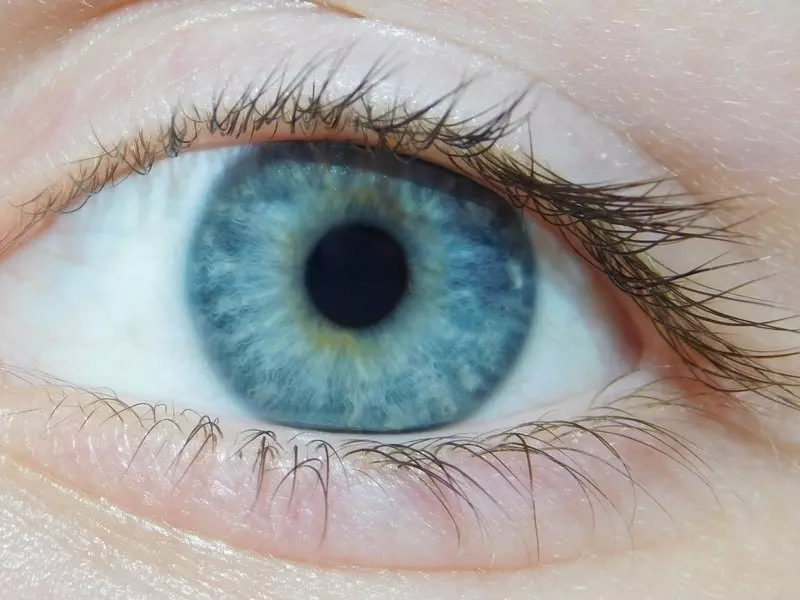
Are Colored Eyes a Disease?
Colored eyes—such as blue, green, hazel, or gray—are less common compared to brown eyes and occur as a result of genetic factors. Eye color is determined by the amount of melanin pigment in the iris, the colored part of the eye. The level of melanin defines whether eyes appear lighter or darker.
The formation of colored eyes is closely linked to genetics. The genetic material passed from parents to children plays the most important role in determining eye color. In addition, environmental influences and genetic variations may also affect how eye color develops. For instance, eye color can become more defined after birth or change slightly over time.
Colored eyes are often perceived differently in society and are considered aesthetically attractive in many cultures. They are sometimes associated with certain personality traits. However, individuals with colored eyes may have specific considerations when it comes to eye health.
Formation of Colored Eyes
Eye color forms in the iris, which controls the amount of light entering the retina. The amount of melanin present determines the color of the eyes. Lower melanin levels result in lighter eye colors, while higher levels produce darker tones.
Multiple genetic factors influence this process. In particular, the OCA2 and HERC2 genes play a significant role in determining eye color. Variations in these genes can result in blue, green, or hazel eyes. Due to the complexity of genetic inheritance, individuals within the same family may have different eye colors.
Environmental factors can also play a role. For example, some babies are born with blue eyes that change over time as melanin production increases. Aging may also lead to subtle changes in eye color.
Relationship Between Colored Eyes and Health
Although colored eyes are aesthetically appealing, they may be associated with certain sensitivities. Individuals with lighter-colored eyes tend to have lower melanin levels, making them more sensitive to sunlight. This can increase vulnerability to ultraviolet (UV) rays and related eye discomfort. Wearing sunglasses is therefore recommended.
Some studies suggest that lighter eye colors may be associated with a slightly higher risk of conditions such as glaucoma or cataracts. These risks are often related to genetic predisposition and lower melanin protection. Regular eye examinations and professional guidance are important for maintaining eye health.
Despite these considerations, potential risks can be minimized with proper care, including routine check-ups, healthy nutrition, and protective eyewear.
Are Colored Eyes Considered a Disease?
Colored eyes are not a disease. They are simply a genetic variation. While they may be associated with certain sensitivities or risk factors, this does not mean they are a medical condition.
Because lighter eyes allow more light to pass through, individuals may experience light sensitivity, eye strain, or mild discomfort. Taking preventive measures—such as using screen filters or limiting prolonged screen exposure—can help maintain comfort.
In conclusion, colored eyes are a natural genetic trait rather than a disorder. However, maintaining eye health through regular check-ups and proper care is essential for everyone, regardless of eye color.
Common Issues in Colored Eyes
Some eye-related issues may be more noticeable in individuals with colored eyes, including light sensitivity, dryness, and eye fatigue.
Dry eyes can occur due to environmental factors such as prolonged screen use or air-conditioned environments. Lighter eyes may be more prone to these issues due to lower pigment levels.
Eye fatigue is also more common in individuals with blue or green eyes, as increased light intake can lead to strain. Symptoms may include headaches, blurred vision, and discomfort. Regular breaks and eye exercises can help reduce these effects.
Light sensitivity is another common concern. Bright sunlight may cause watering or discomfort. Wearing high-quality sunglasses and avoiding direct exposure to intense light can help manage this issue.
Care Tips for Colored Eyes
Maintaining eye health requires proper care. Good eye hygiene is essential to prevent infections. Individuals who use makeup should remove it thoroughly before sleeping. Contact lens users should follow proper cleaning and usage guidelines.
Nutrition also plays a key role. Vitamins A, C, and E, along with antioxidants like lutein and zeaxanthin, support eye health. Including these nutrients in your diet can strengthen eye function.
Regular eye examinations are crucial for early detection of potential issues. Eye specialists can assess eye health and recommend appropriate care strategies.
Genetic Factors in Colored Eyes
Genetics is the primary factor in determining eye color. Eye color is inherited from parents, and family traits strongly influence the outcome.
Variations in genes such as OCA2 and HERC2 contribute to differences in eye color. Different combinations of these genes can result in a wide range of eye colors, even within the same family.
Although environmental factors and aging can cause slight changes, eye color is fundamentally determined by genetics. This complex interaction of genes explains the diversity and uniqueness of eye colors among individuals.
 Call
Call
 Whatsapp