
Are Blue Eyes Healthy?
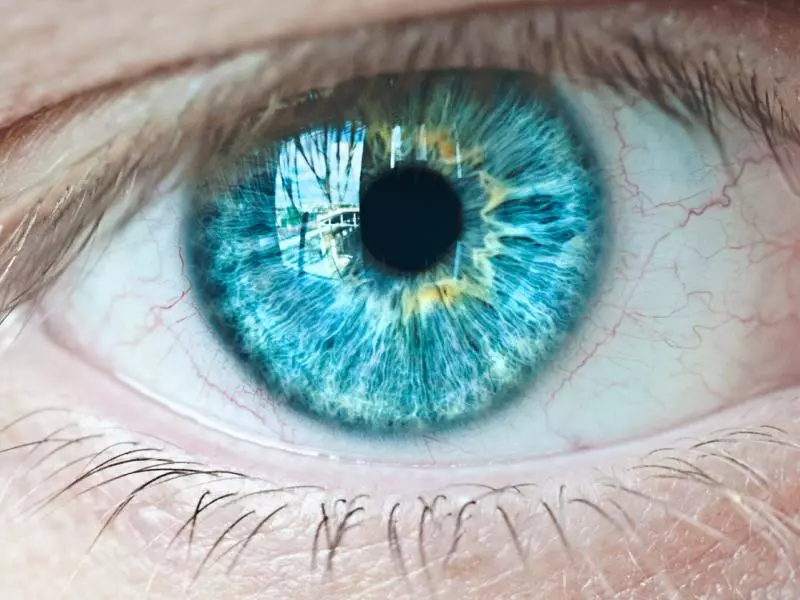
Blue eyes are known as a rare eye color in many parts of the world. This color often attracts attention due to its aesthetic and striking appearance. However, we know that blue eyes are not only about appearance. To answer the question “Are blue eyes healthy?”, it is important to examine the effects of eye color on health and its genetic background.
Eye color is known to influence how light passes through the eye. In blue eyes, pigmentation levels are lower, which may cause greater sensitivity to light. For this reason, individuals with blue eyes may experience more glare on sunny days. Additionally, some studies suggest that people with blue eyes may have a higher risk of certain eye conditions. Considering this information, it is necessary to take a closer look at both the advantages and disadvantages of blue eyes in terms of health.
Research on Blue Eye Health in Ankara
Ankara, the capital city, is an important center for health research. Many studies conducted here provide new insights into eye health. Universities and research centers in Ankara carry out studies aiming to answer the question of whether blue eyes are healthy. These studies offer important clues about the health status of individuals with blue eyes.
Especially in institutions such as Hacettepe University and Ankara University, many studies focus on risk factors affecting individuals with blue eyes. Research shows that people with blue eyes may be more sensitive to UV rays and therefore may need to take extra protective measures. In addition, these studies examine how the genetic structure of blue eyes may play a role in susceptibility to certain eye diseases.
The results of these studies help blue-eyed individuals gain more awareness about protecting their eye health. For those living in Ankara, paying attention to research findings and recommended precautions may be beneficial. Being conscious about eye health can help prevent potential problems in the future.
Laser Eye Color Change: Ways to Achieve Blue Eyes
Eye color has become a personal preference for many people. Modern methods such as laser eye color change allow individuals to alter their eye color. The desire to have blue eyes has especially increased the popularity of such procedures. However, the health effects of aesthetic interventions should be carefully considered.
Laser eye color change is performed by reducing or altering pigment in the iris layer. This procedure may permanently change eye color. However, it can carry potential risks. Infection, increased eye sensitivity, vision loss, and other complications are possible side effects. Therefore, it is important to think carefully and consult a specialist before considering such a procedure.
Having blue eyes may be aesthetically appealing, but health should always come first. If you are thinking about changing your eye color, you should be informed about the long-term effects and consider potential risks. Making informed decisions is always best for a healthy life.
Genetic Structure of Blue Eyes and Health Effects
The genetic structure of blue eyes is one reason why this eye color is relatively rare. Blue eye color generally results from recessive genes. This increases the likelihood that two blue-eyed parents may have a blue-eyed child. Genetic factors may influence not only eye color but also eye health.
The genetic background of eye color may also play a role in susceptibility to certain health conditions. For example, individuals with blue eyes usually have less melanin, which may lead to increased light sensitivity. This means blue-eyed people may need to be more careful about protecting their eyes from sunlight. Some studies also suggest that blue-eyed individuals may be more prone to certain eye diseases.
Understanding the genetic structure of blue eyes is important for evaluating their impact on health. Genetic factors play a significant role in eye health, and being aware of your genetic background may help you take preventive measures.
Common Health Problems in Blue-Eyed Individuals
Blue-eyed individuals may be more exposed to certain eye-related issues compared to people with other eye colors. The question of whether blue eyes are healthy can be better understood by examining commonly observed problems:
Light Sensitivity:
Because they contain less pigment, blue eyes may be more sensitive to bright light, causing discomfort or glare in sunny environments.
Eye Diseases:
Some research suggests that blue-eyed individuals may be more prone to certain eye conditions such as cataracts and macular degeneration. This may be linked to genetic factors.
Sensitivity to UV Rays:
People with blue eyes may be more sensitive to ultraviolet (UV) radiation. For this reason, protective measures such as wearing sunglasses are recommended.
Being aware of these risks and taking preventive steps can help protect eye health. Wearing appropriate sunglasses and having regular eye examinations are especially important.
Care and Protection Methods for Blue Eyes
To keep blue eyes healthy, regular care and protective habits are important. Eye health is a key part of overall health, and several simple steps can help protect your eyes:
Use Sunglasses:
Individuals with blue eyes should wear quality sunglasses with UV protection, especially on sunny days.
Regular Eye Exams:
Routine eye check-ups help detect potential eye diseases at an early stage.
Healthy Nutrition:
A diet rich in vitamins A, C, and E supports eye health. Omega-3 fatty acids are also beneficial for maintaining healthy eyes.
Applying these steps consistently can help protect blue eyes and support long-term eye health.
External Factors Affecting Blue Eye Health
Eye health is shaped not only by genetics but also by environmental factors. Understanding these factors helps answer the question of whether blue eyes are healthy.
Environmental Pollution:
Air pollution and dust can negatively affect eye health. Individuals living in large cities may need to be more cautious.
Screen Use:
Long-term screen exposure may cause eye strain and dryness. Blue-eyed individuals may experience greater discomfort, so limiting screen time and taking regular breaks is recommended.
Stress:
High stress levels can negatively impact overall health, including eye health. Managing stress effectively may support healthier eyes.
Considering these external factors and adopting a healthy lifestyle can help protect blue eye health over time.
 Call
Call
 Whatsapp