
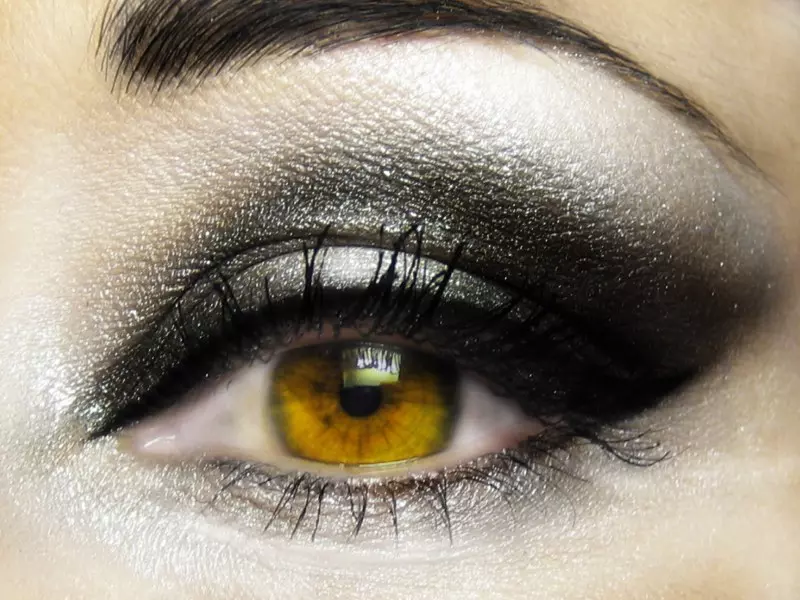
All Eye Colors in the World
Our eyes are a unique part of our personality and appearance. Eye color is one of the most noticeable elements of that uniqueness. Genetics plays an important role in determining eye color, but the process is not limited to genetics alone. The diversity of eye colors around the world shows just how rich and varied humanity can be.
What Is Eye Color?
Eye color is determined by the pigmentation of the iris and the way it reflects and scatters light. In general, there are main colors such as brown, blue, green, hazel, and gray. Each eye color is related to the amount and distribution of a pigment called melanin. The more melanin there is, the darker the eye color becomes.
The amount of melanin is not the only factor that determines eye color. The structure of the iris and the way it disperses light also affect how color is perceived. For this reason, even if two people have the same melanin level, their eye colors may still look different. This complex structure helps explain why each of us is unique.
Eye color is not only an aesthetic trait; it can also carry cultural and psychological meanings. Throughout history, different eye colors have been associated with certain characteristics, and various judgments have been made based on these associations. Such perceptions require a deeper examination of the meanings societies attach to eye colors.
The Most Common Eye Colors in the World
The most common eye color in the world is brown. Because brown eyes contain a high amount of melanin, they generally have a dark and intense appearance. A large portion of the world’s population—especially people living in regions such as Asia, Africa, and South America—has brown eyes.
Blue eyes are common especially in Northern European countries. A low amount of melanin causes the eye color to appear lighter and cooler in tone. Blue eyes are often considered brighter and more striking. The prevalence of this color is linked to historical migrations and genetic factors.
Green eyes are quite rare and appear in only a small percentage of the world’s population. Their uniqueness makes them even more attractive. They are more frequently seen in regions such as Ireland and Scotland. Green eyes form through the presence of both melanin and lipchrome pigments.
How Eye Colors Form
The formation of eye color begins shortly after birth and is usually completed within the first few years. Babies are often born with blue eyes, and their eye color changes as melanin production increases. This process is guided by genetic factors, and the genes inherited from parents strongly influence the changes.
Melanin production is the main factor that determines eye color. Melanin accumulates in the front layer of the iris and affects how light is reflected. In addition to melanin amount, structural features of the iris can also influence eye color. Therefore, even if two people have the same amount of melanin, their eye colors may still look different.
Eye color usually becomes permanent toward the later years of childhood. However, in some cases, eye color can change throughout life. These changes are typically linked to environmental factors or aging.
The Relationship Between Genetics and Eye Color
Eye color is part of our genetic inheritance and is determined by our genetic code. The genes inherited from parents form the basis of eye color. Two main genes, HERC2 and OCA2, play a critical role in determining eye color. These genes control melanin production and distribution.
Genetics offers a complex model for explaining the diversity of eye colors. The interaction of dominant and recessive genes influences eye color. For example, because the brown-eye gene is dominant, a person who carries both brown and blue eye genes usually has brown eyes.
Heterozygous genetic patterns can lead to unexpected results. This means that individuals from the same family can have different eye colors. Genetic diversity allows unique eye color combinations to appear.
Rare Eye Colors and Their Characteristics
Rare eye colors are seen less frequently compared to common colors like brown, blue, and green. Colors such as hazel, gray, and amber are among the rare eye colors. Hazel eyes often have a structure that can appear to change color under different lighting conditions, which makes them especially fascinating.
Gray eyes are quite rare and occur when melanin levels are very low. This eye color is more common in northern and eastern Europe. Gray eyes stand out with their cool tones and the way they reflect light.
Amber eyes contain yellow and golden tones and are linked to lipchrome pigment. Although this color is more common in animals, it is rare in humans. Amber eyes draw attention with their unique appearance and interaction with light.
Cultural and Psychological Meanings of Eye Colors
Eye colors have carried different meanings across cultures throughout history. Brown eyes are often associated with reliability and warmth, while blue eyes are seen as symbols of attractiveness and calmness. Cultural perceptions have led people to attribute various traits to others based on eye color.
Psychologically, eye colors have been linked to personality traits. For instance, green-eyed people are believed to be creative and passionate, while hazel-eyed people are thought to have an adventurous spirit. However, such generalizations may not always be accurate and can vary from person to person.
Cultural and psychological meanings of eye colors can also differ between societies. These differences help us understand the aesthetic value of eye colors and their impact on society. Therefore, eye color is not only a physical trait but also something that can carry deeper cultural and psychological significance.
Changes in Eye Color: Age and Other Factors
Eye color can change throughout life. Most babies are born with blue eyes, and eye color may change over time. This change is related to increasing melanin production and structural changes in the eye. By the end of childhood, eye color typically becomes permanent.
Aging can cause changes in eye color. Especially in older age, fading or lightening of eye color may be observed. This is linked to reduced melanin production and structural changes in the eye. In addition, factors such as trauma or illness can also lead to changes in eye color.
In some cases, eye color may appear to change temporarily due to hormonal changes or environmental factors. For example, extreme stress or emotional fluctuations may cause the eyes to look lighter or darker. These changes are usually temporary and do not have a permanent effect.
Interesting Facts About Eye Colors
There are many interesting facts about eye colors. For example, the rarest eye color in the world is considered to be red or pink, which usually occurs due to albinism. In individuals with albinism, a lack of melanin can make the eyes appear red or pink.
Another interesting fact is a condition called heterochromia. Heterochromia means a person has two different eye colors. This usually occurs for genetic reasons, but it can also develop after trauma or illness. Heterochromia creates a unique and striking appearance.
Finally, the relationship between eye color and personality traits has been the subject of many studies. Although not scientifically proven, some studies suggest that blue-eyed people may be more analytical, while brown-eyed people may be more empathetic. Such assumptions increase interest in eye colors.
 Call
Call
 Whatsapp