
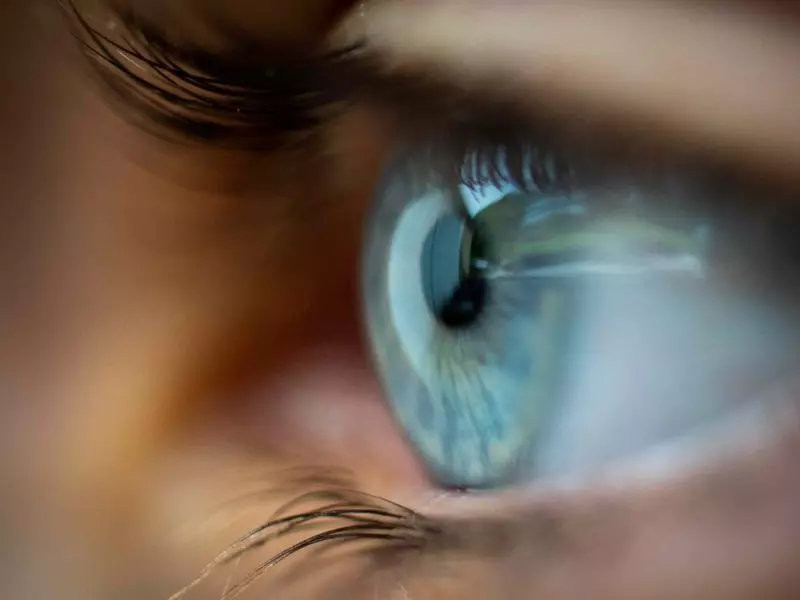
Albino Eye Colors
Albino eye colors are associated with a genetic condition known as albinism. This condition occurs due to a lack of melanin pigment, which creates noticeable differences in the skin, hair, and eyes. Individuals with albinism often have eye colors such as light blue, gray, or sometimes a reddish tone. This appearance is caused by the low level of pigment in the iris.
The lack of melanin does not only affect appearance but can also increase sensitivity to light. For this reason, individuals with albinism may experience discomfort in bright environments and often benefit from protective eyewear or specialized lenses.
Albino eye colors reflect natural genetic diversity, and each individual may have slightly different tones.
Characteristics of Albino Eye Colors
The most distinctive feature of albino eye colors is their light tone, resulting from reduced pigmentation. These tones are typically blue, gray, or occasionally reddish. Because the iris contains very little pigment, it may appear almost translucent.
This makes the eyes more sensitive to light. Bright environments can cause discomfort, so protective measures such as sunglasses are often recommended.
Albino eye colors may also be associated with differences in vision. Reduced melanin can influence the development of the retina and optic nerve, which may lead to lower visual clarity or other visual challenges.
Formation of Albino Eye Colors
Albino eye colors are closely linked to genetic factors. Albinism is an autosomal recessive condition, meaning that genetic variations must be inherited from both parents.
Melanin is the main pigment responsible for eye color. In individuals with albinism, melanin production is very low or absent, which results in lighter eye colors. This also allows more light to pass through the iris, sometimes creating a reddish appearance.
Environmental factors may have a minor influence, but genetics is the primary determinant.
Albino Eye Colors and Eye Health
Albino eye colors can be associated with certain visual sensitivities. Reduced melanin may affect the development of the retina and optic nerve, leading to conditions such as light sensitivity and involuntary eye movements.
Regular eye check-ups are important to monitor vision and ensure appropriate support when needed. Protective eyewear can help improve comfort in bright conditions.
There may also be psychological aspects related to visible differences and vision challenges. Support and awareness can help improve confidence and social well-being.
Common Misconceptions About Albino Eye Colors
There are several misconceptions about albino eye colors. One common belief is that albino eyes are always red. In reality, they are usually light blue or gray, with reddish tones appearing only under certain lighting conditions.
Another misconception is that individuals with albinism are completely blind. While visual challenges can occur, most individuals are not fully blind and can carry out daily activities independently.
It is also incorrect to assume that albinism only occurs in people with very light skin. Albinism can appear in all ethnic groups.
Interesting Facts About Albino Eye Colors
Albino eye colors have been an interesting subject of scientific research. One notable aspect is increased light sensitivity due to reduced melanin levels.
Some observations suggest that individuals with albinism may perform better in low-light conditions because their eyes allow more light in.
In art and media, albino characters are often portrayed with a mysterious or unique appearance. While this can increase curiosity, it may also lead to misunderstandings.
Albino Eye Colors and Social Perception
Societal perceptions of albinism are often shaped by misconceptions. In some cultures, it may still be misunderstood, which can affect social experiences.
Raising awareness and promoting accurate information can help improve understanding and acceptance. Sharing real experiences can also support positive social change.
Albino Eye Colors and Genetic Factors
Genetics plays a central role in the formation of albino eye colors. Mutations affecting melanin production lead to this condition.
Genetic counseling can be helpful for families, providing information about inheritance patterns and potential outcomes.
Ongoing research continues to explore the genetic mechanisms behind albinism, contributing to a better understanding of human biology and potential future developments.
 Call
Call
 Whatsapp