
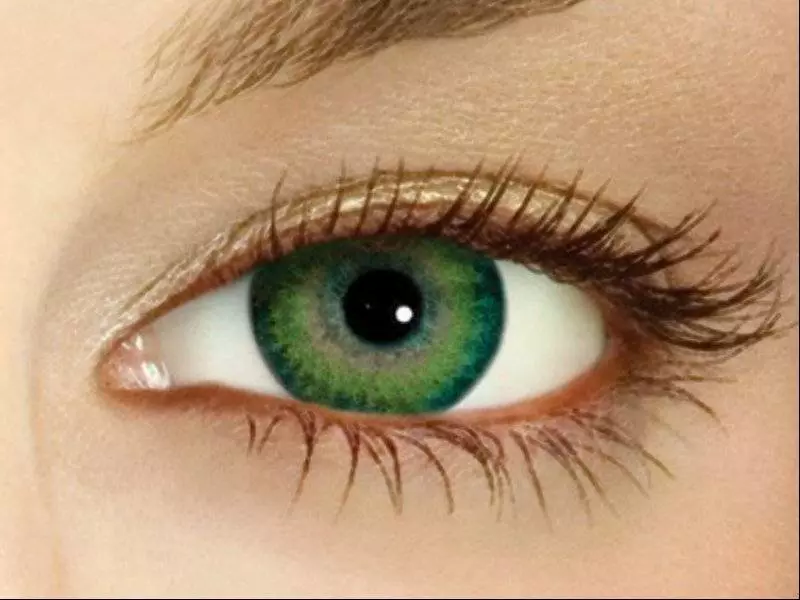
About Eye Colors
Eye colors stand out as a prominent feature in people’s physical appearance. Eyes go beyond providing vision; they often give clues about a person’s mood or character. There is great curiosity about eye colors because each color tells a different story. Blue, brown, green, or rare colors such as amber reflect a person’s genetic structure and environmental factors.
For most people, eye color is determined at birth and does not change throughout life. However, in some cases, eye color may show slight changes with age. These changes are usually related to environmental factors or health conditions. Although changes in eye color are rare, it is important to understand the underlying causes of such situations.
Eye colors are not only an aesthetic feature but also represent a person’s genetic heritage. Genetic codes inherited from the family play a critical role in determining eye color. Therefore, it is quite common to see similar eye colors within the same family. Eye colors are an indicator of genetic diversity passed down from the past, and this diversity is a unique feature that distinguishes people from one another.
Formation of Eye Colors and Genetic Factors
Genetic factors play a decisive role in the formation of eye colors. The pigmentation of the iris is the most important factor determining eye color. The pigment called melanin determines how dark or light the eye color appears. Eyes with a high amount of melanin are usually brown or amber, while eyes with low melanin may appear blue or green.
The genetics of eye color has a complex structure. This means that multiple genes come together to determine eye color. The OCA2 and HERC2 genes are among the most important genes affecting eye color. These genes regulate the processes that control melanin production and thus directly influence the formation of eye color.
The inheritance of eye color is based on Mendelian genetic rules. This explains how genetic material is passed from parents to children. However, it should be noted that eye color is not completely predictable. For example, it is possible for two brown-eyed parents to have a blue-eyed child. This situation is the result of genetic diversity and recombination.
The Most Common Eye Colors in Türkiye
Türkiye is a country with high genetic diversity, which allows different eye colors to coexist within its geography. However, according to general observations, the most common eye color in Türkiye is brown. Brown eyes are more widespread due to their high melanin content and provide greater protection against sunlight.
Nevertheless, in some regions of Türkiye, it is also possible to encounter people with green and blue eyes. Especially in the Black Sea Region, blue and green-eyed individuals are seen more frequently due to genetic diversity. This situation is a result of the region hosting different cultures throughout history.
The diversity of eye colors in Türkiye reflects the country’s rich genetic heritage. The coexistence of people from different backgrounds is an important factor that increases genetic diversity. This offers a wide range of eye colors and contributes to the cultural richness of the country.
The Relationship Between Eye Color and Personality
For many people, eye colors are not merely an aesthetic feature; they are also believed to provide clues about personality. According to psychological research, certain eye colors have been associated with specific personality traits. For example, blue-eyed individuals are often said to be calmer and more thoughtful.
On the other hand, brown-eyed individuals are suggested to be friendlier and more social. People with green eyes are generally described as creative and adventurous. However, such generalizations may not always be valid, because personality is formed by a combination of many factors, and eye color alone cannot explain it.
Although the relationship between eye color and personality has not been scientifically proven in full, such beliefs are widely accepted in society. When people make personality assumptions based on eye color, they usually rely on their own experiences and environmental observations. This increases curiosity and interest in eye colors.
Eye Color Change Methods in Ankara
Ankara, as a city offering advanced medical facilities, provides various options for eye color change methods. In Ankara, eye color change procedures are generally preferred for aesthetic concerns. These procedures allow eye color to be changed either permanently or temporarily.
Among eye color change methods, the most common is contact lenses. Colored contact lenses allow the eye color to be changed temporarily. This method is preferred by many people because it does not require surgical intervention. However, lens use requires regular care and hygiene.
Apart from this, it is also possible to permanently change eye color through surgical methods. Such procedures are usually performed by specialist physicians and carry certain risks. There are many clinics in Ankara that perform such procedures, and it is important to conduct thorough research before making a decision.
What Is Laser Eye Color Change?
Laser eye color change is a method that has become popular in recent years for those who want to permanently change their eye color. This procedure involves altering the pigmentation of the iris using laser technology. The laser reduces the amount of melanin on the iris, allowing the eye color to turn into a lighter shade.
In Ankara, there are many clinics offering laser eye color change procedures. This procedure is generally introduced as a quick and painless process. However, as with any surgical intervention, this method may also have certain risks and side effects. It is recommended to have a detailed consultation with a specialist physician before the procedure.
For those considering this method, post-procedure care is also important. During the recovery process, it is necessary to follow the doctor’s recommendations and take the necessary precautions to protect eye health. Eye color change is a personal preference, but before making this decision, it should be carefully considered and all risks should be evaluated.
 Call
Call
 Whatsapp